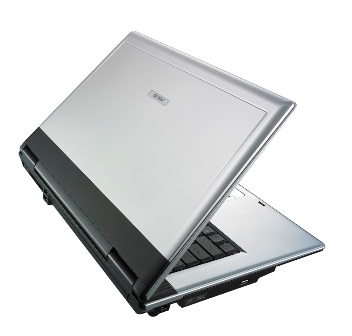
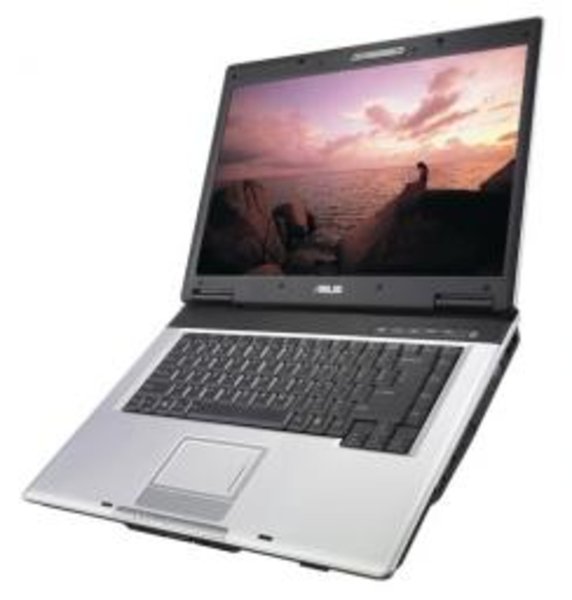
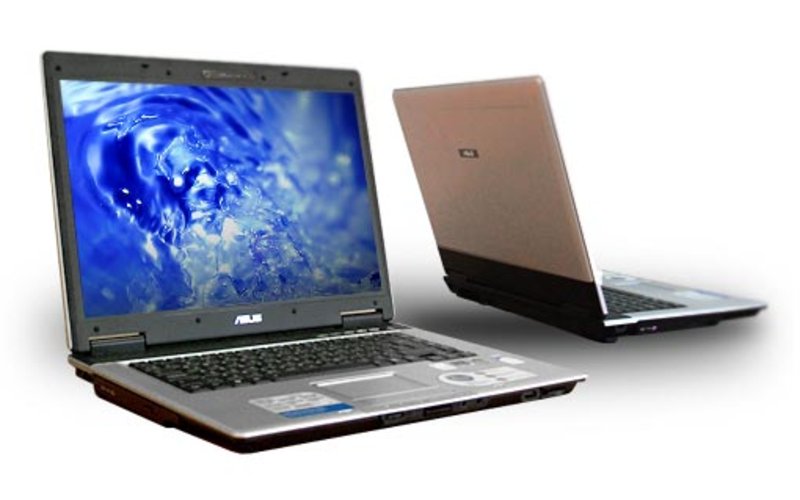
Asus Z53 Series
Processor: Intel Core 2 Duo T7200Graphics Adapter: ATI Mobility Radeon X1700
Display: 15.40 inch
Weight: 2.9kg
Price: 0 euro
Asus Z53J
Specifications
Notebook: Asus Z53JProcessor: Intel Core 2 Duo T7200
Graphics Adapter: ATI Mobility Radeon X1700 256 MB
Display: 15.40 inch, 16:10, 1280 x 800 pixels
Weight: 2.9kg
Links: Asus homepage Asus notebook section
Price comparison
Foreign Reviews
Source: Notebookjournal
 DE→EN Archive.org version
Single Review, online available, Short, Date: 02/13/2007
Rating: price: 80% performance: 95% features: 95% display: 50%
Comment
Asus: ASUSTeK Computer Inc. is a major Taiwanese computer hardware manufacturer based in Taipei, founded in 1989. Under the Asus brand name, the company manufactures a wide range of products, including laptops, desktops, motherboards, graphics cards, monitors, smartphones and networking equipment, complete systems and PC components for end users.
Under the ROG (Republic of Gamers) brand name, ASUS manufactures gaming laptops known by gamers for their powerful specifications, dedicated graphics cards, high refresh rate displays and advanced cooling systems.
Beyond gaming, a wide range of notebooks are offered for different needs and budgets, from ultra-slim and lightweight ultrabooks to versatile 2-in-1 convertibles and budget-friendly options. In 2023, Asus had a 7% global market share of the PC market.
Customer satisfaction with ASUS notebooks concerns performance, the features, and the good price-performance ratio of ASUS notebooks. However, as with any brand, there are occasional reports of problems such as overheating, driver compatibility, or build quality issues.
Only some 3D games with very low demands are playable with these cards.
ATI Mobility Radeon X1700: Successor of the X1600 and because of strained silicium process it can achieve a higher performance with the same current consumption (more shaders). The Avivo video engine helps decoding (HD) videos.
» Further information can be found in our Comparison of Mobile Graphics Cards and the corresponding Benchmark List.
Intel Core 2 Duo: This is the Core Duo and Core Solo successor with a longer pipeline and 5-20% more speed without more power consumption. As an addition to the Core Duo design there exists a fourth decoder, an amplified SSE-unit and an additional arithmetical logical unit (ALU).
The Core 2 Duo for laptops is identical to the desktop Core 2 Duo processors but the notebook-processors work with lower voltages (0.95 to 1188 Volt) and a lower Frontside bus clock (1066 vs 667 MHz). The performance of equally clocked notebooks is 20-25% lower than Desktop PCs because of the lower Frontside bus clock and the slower hard disks.
T7200: Mid-range (at the time of annoucement) dual core processor based on the Merom core.
» Further information can be found in our Comparison of Mobile Processsors.
» To find out how fine a display is, see our DPI List.
2.9 kg:
With this weight, a laptop is rather heavier than average. Devices in this range shine more with screen size and performance than with mobility.
2.9 kg:
%: No rating comment found (one expected)!
» Further information can be found in our Notebook Purchase Guide.
 Add as a preferred source on Google