




AMD Ryzen AI 9 465 vs AMD Ryzen AI 5 PRO 435
AMD Ryzen AI 9 465
► remove from comparison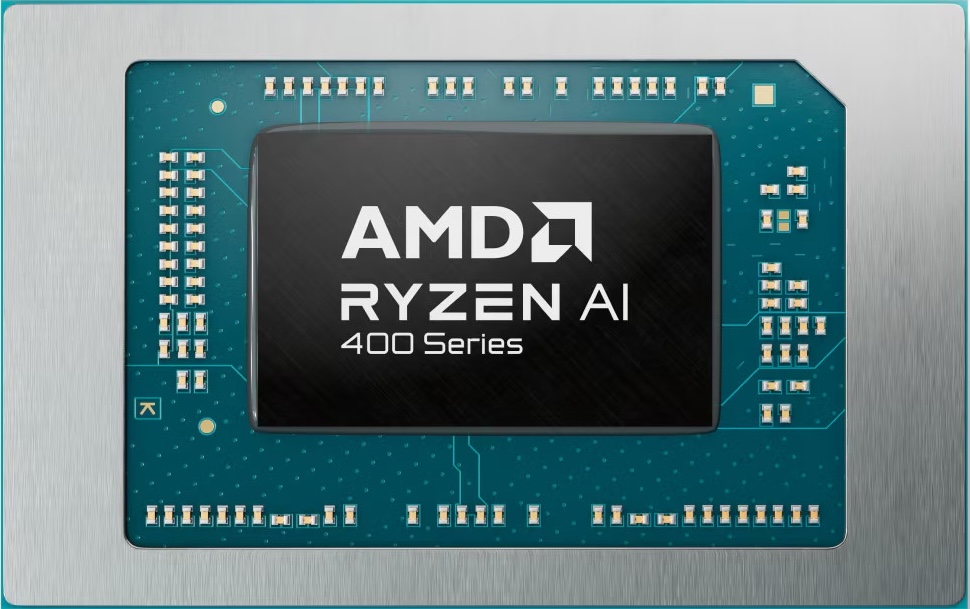
The AMD Ryzen AI 9 465 or AMD Ryzen AI 9 H 465 is a relatively powerful Gorgon Point family processor that debuted in early 2026. The chip features 10 CPU cores running at 2.0 GHz to 5.0 GHz, along with the 12 CU RDNA 3.5 Radeon 880M graphics adapter and the 50 TOPS XDNA 2 neural engine. Other key features include PCIe 4, USB 4 and LPDDR5x-8533 RAM support. The faster RAM support is the only difference we can find to the older Ryzen AI 9 365 (Strix Point).
Of the 10 CPU cores, 4 are full Zen 5 cores with the other 6 being smaller Zen 5c cores. The latter probably run at somewhat lower clock speeds than the former.
Architecture and Features
Strix Point family APUs are powered by Zen 5 and Zen 5c microarchitecture cores found in two separate clusters, the latter being a slightly slower, smaller and more energy-efficient version of the former. One of the differences between Zen 5 and Zen 5c is cache size; Zen 5 cores have larger caches to work with.
Either way, mobile Zen 5 implementation is reportedly (ChipsAndCheese) closer to desktop Zen 4 than to desktop Zen 5 due to differing cache sizes, vast differences in AVX-512 throughput and other factors.
Elsewhere, the Ryzen AI 9 chip supports DDR5-5600 and LPDDR5x-8533 RAM, giving system designers a choice between lower latency and higher throughput respectively. The chip is natively compatible with USB 4 (and therefore Thunderbolt). It has PCIe 4.0 support for throughput of 1.9 GB/s per lane, just like its 8000 series predecessors did. The integrated XDNA 2 NPU, which is a lot more complex than first-gen XDNA was, delivers up to 50 INT8 TOPS for accelerating various AI workloads.
As is usual for laptop CPUs, the Ryzen is not user-replaceable as it gets soldered down for good.
Performance
Due to the same specs and only faster RAM support, the performance of the AI 9 465 should be similar to the old Ryzen AI 9 365. At 30 W, this Ryzen AI 9 series CPU is only just fast enough to compete with much older chips such as the Ryzen 9 4900H and Ryzen 9 PRO 6950HS in multi-threaded benchmarks, suggesting power efficiency is the focus here rather than sheer performance.
Graphics
The Radeon 880M is the direct successor to the 780M. It packs just a few differences under the hood, such as faster caches; its 12 RDNA 3.5 architecture CUs/WGPs (768 unified shaders) run at up to 2,900 MHz. With well over 30 fps in both Once Human and The First Descendant (1080p - Low), this iGPU is certainly fast enough for a fair bit of casual as well as competitive gaming.
Naturally, the Radeon is capable of driving four SUHD 4320p60 monitors simultaneously. It can also efficiently encode and decode the most popular video codecs such as AVC, HEVC, VP9 and AV1. The latest addition to that list, the VVC codec, is not supported unlike it is with Intel Lunar Lake chips.
Power consumption
The 465 is supposed to have a base TDP of 28 W, with laptop makers free to crank it up to up to 54 W. Which they will most likely do to maximize performance. According to AMD the configurable TDP (cTDP) ranges from 15 to 54 Watt.
The 4 nm TSMC process that these CPUs are built with makes for above average, as of late 2024, energy efficiency.
AMD Ryzen AI 5 PRO 435
► remove from comparison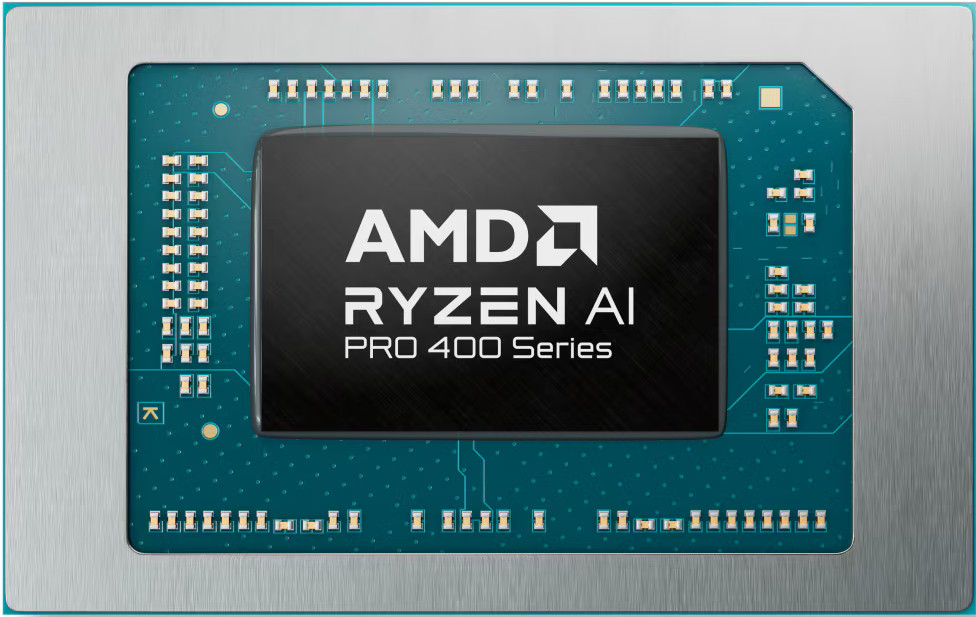
The AMD Ryzen AI 7 PRO 435 or AI 5 H PRO 435 is a powerful mobile processor from the Gorgon Point family that was announced at CES in early 2026. The APU integrates 6 CPU cores (2x Zen 5 with up to 4.5 GHz and 4x Zen 5c with less cache and a most likely maximum of 3.4 GHz) and a big 16 MB or 8 MB L3-Cache. The SoC is similar to the older but higher clocked AMD Ryzen AI 5 340. Compared to the consumer Ryzen AI 7 435, the PRO variant offers additional management and security features like support for ECC RAM.
Architecture and features
The Gorgon / Krackan Point family APUs are powered by Zen 5 and Zen 5c microarchitecture cores located in separate clusters, the latter being a slightly slower, smaller and more energy efficient version of the former. One of the differences between Zen 5 and Zen 5c is the size of the cache; the Zen 5 cores have larger caches available.
However, the mobile Zen 5 implementation is reportedly (ChipsAndCheese) is closer to desktop Zen 4 than desktop Zen 5 due to the different cache sizes, large differences in AVX-512 throughput, and other factors.
Elsewhere, the Ryzen AI 7 chip supports DDR5-5600 and LPDDR5x-8000 RAM, giving system designers a choice between lower latency and higher throughput. The chip is natively compatible with USB 4 (and therefore Thunderbolt). It has PCIe 4.0 support for a throughput of 1.9 GB/s per lane, just like its 8000 series predecessors. The integrated XDNA 2 NPU, which is much more complex than the first generation XDNA, delivers up to 50 INT8 TOPS for accelerating various AI workloads.
As usual with laptop CPUs, the Ryzen 5 AI chip cannot be replaced by the user as it is soldered.
Performance
With the given specs, the Ryzen 5 435 should be slightly slower than the old AMD Ryzen AI 5 340 which offers a similar core count but higher clock speeds.
Graphics
The Radeon 840M is a downscaled Radeon 890M that offers only 4 cores (CUs = 256 shaders) and clocks at up to 2.9 GHz.
Power consumption
The AI 435 is said to have a base TDP of 28 W, although laptop manufacturers are free to set the TDP between 15 and 54 W.
The 4 nm TSMC process with which these CPUs are manufactured ensures above-average energy efficiency.
| Model | AMD Ryzen AI 9 465 | AMD Ryzen AI 5 PRO 435 | ||||||||||||||||||||||||||||||||||||||||||||||||||||||||||||||||||||||||||||||||||||||||||||||||||||||||
| Codename | Gorgon Point | Gorgon Point | ||||||||||||||||||||||||||||||||||||||||||||||||||||||||||||||||||||||||||||||||||||||||||||||||||||||||
| Series | AMD Strix / Gorgon Point | AMD Strix / Gorgon Point | ||||||||||||||||||||||||||||||||||||||||||||||||||||||||||||||||||||||||||||||||||||||||||||||||||||||||
| Series: Strix / Gorgon Point Gorgon Point |
|
| ||||||||||||||||||||||||||||||||||||||||||||||||||||||||||||||||||||||||||||||||||||||||||||||||||||||||
| Clock | 2000 - 5000 MHz | 2000 - 4500 MHz | ||||||||||||||||||||||||||||||||||||||||||||||||||||||||||||||||||||||||||||||||||||||||||||||||||||||||
| L2 Cache | 10 MB | 6 MB | ||||||||||||||||||||||||||||||||||||||||||||||||||||||||||||||||||||||||||||||||||||||||||||||||||||||||
| L3 Cache | 24 MB | 8 MB | ||||||||||||||||||||||||||||||||||||||||||||||||||||||||||||||||||||||||||||||||||||||||||||||||||||||||
| Cores / Threads | 10 / 20 4 x 5.0 GHz AMD Zen 5 6 x 3.3 GHz AMD Zen 5c | 6 / 12 2 x 4.5 GHz AMD Zen 5 4 x 3.4 GHz AMD Zen 5c | ||||||||||||||||||||||||||||||||||||||||||||||||||||||||||||||||||||||||||||||||||||||||||||||||||||||||
| TDP | 28 Watt | 28 Watt | ||||||||||||||||||||||||||||||||||||||||||||||||||||||||||||||||||||||||||||||||||||||||||||||||||||||||
| Technology | 4 nm | 4 nm | ||||||||||||||||||||||||||||||||||||||||||||||||||||||||||||||||||||||||||||||||||||||||||||||||||||||||
| max. Temp. | 100 °C | 100 °C | ||||||||||||||||||||||||||||||||||||||||||||||||||||||||||||||||||||||||||||||||||||||||||||||||||||||||
| Socket | FP8 | FP8 | ||||||||||||||||||||||||||||||||||||||||||||||||||||||||||||||||||||||||||||||||||||||||||||||||||||||||
| Features | DDR5-5600/LPDDR5x-7500 RAM, PCIe 4, USB 4, XDNA 2 NPU (50 TOPS), SMT, AES, AVX, AVX2, AVX512, FMA3, MMX (+), SHA, SSE, SSE2, SSE3, SSSE3, SSE4.1, SSE4.2, SSE4A | DDR5-5600/LPDDR5x-8000 RAM, PCIe 4, USB 4, XDNA 2 NPU (50 TOPS), Secure Processor, SMT, MMX, SSE, SSE2, SSE3, SSSE3, SSE4A, SSE4.1, SSE4.2, AVX, AVX2, AVX512, BMI2, ABM, FMA, ADX, SMEP, SMAP, CPB, AES-NI, RDRAND, RDSEED, SHA, SME | ||||||||||||||||||||||||||||||||||||||||||||||||||||||||||||||||||||||||||||||||||||||||||||||||||||||||
| iGPU | AMD Radeon 880M ( - 2900 MHz) | AMD Radeon 840M ( - 2800 MHz) | ||||||||||||||||||||||||||||||||||||||||||||||||||||||||||||||||||||||||||||||||||||||||||||||||||||||||
| NPU / AI | 50 TOPS INT8 | 50 TOPS INT8 | ||||||||||||||||||||||||||||||||||||||||||||||||||||||||||||||||||||||||||||||||||||||||||||||||||||||||
| Chip AI | 73 TOPS INT8 | 59 TOPS INT8 | ||||||||||||||||||||||||||||||||||||||||||||||||||||||||||||||||||||||||||||||||||||||||||||||||||||||||
| Architecture | x86 | x86 | ||||||||||||||||||||||||||||||||||||||||||||||||||||||||||||||||||||||||||||||||||||||||||||||||||||||||
| Announced | ||||||||||||||||||||||||||||||||||||||||||||||||||||||||||||||||||||||||||||||||||||||||||||||||||||||||||
| Manufacturer | www.amd.com | www.amd.com |

Benchmarks

Average Benchmarks AMD Ryzen AI 9 465 → 0% n=0
 - Average benchmark values for this graphics card
* Smaller numbers mean a higher performance
1 This benchmark is not used for the average calculation


 Add as a preferred