




New study reveals that Antarctica’s ice sheet is losing its stability
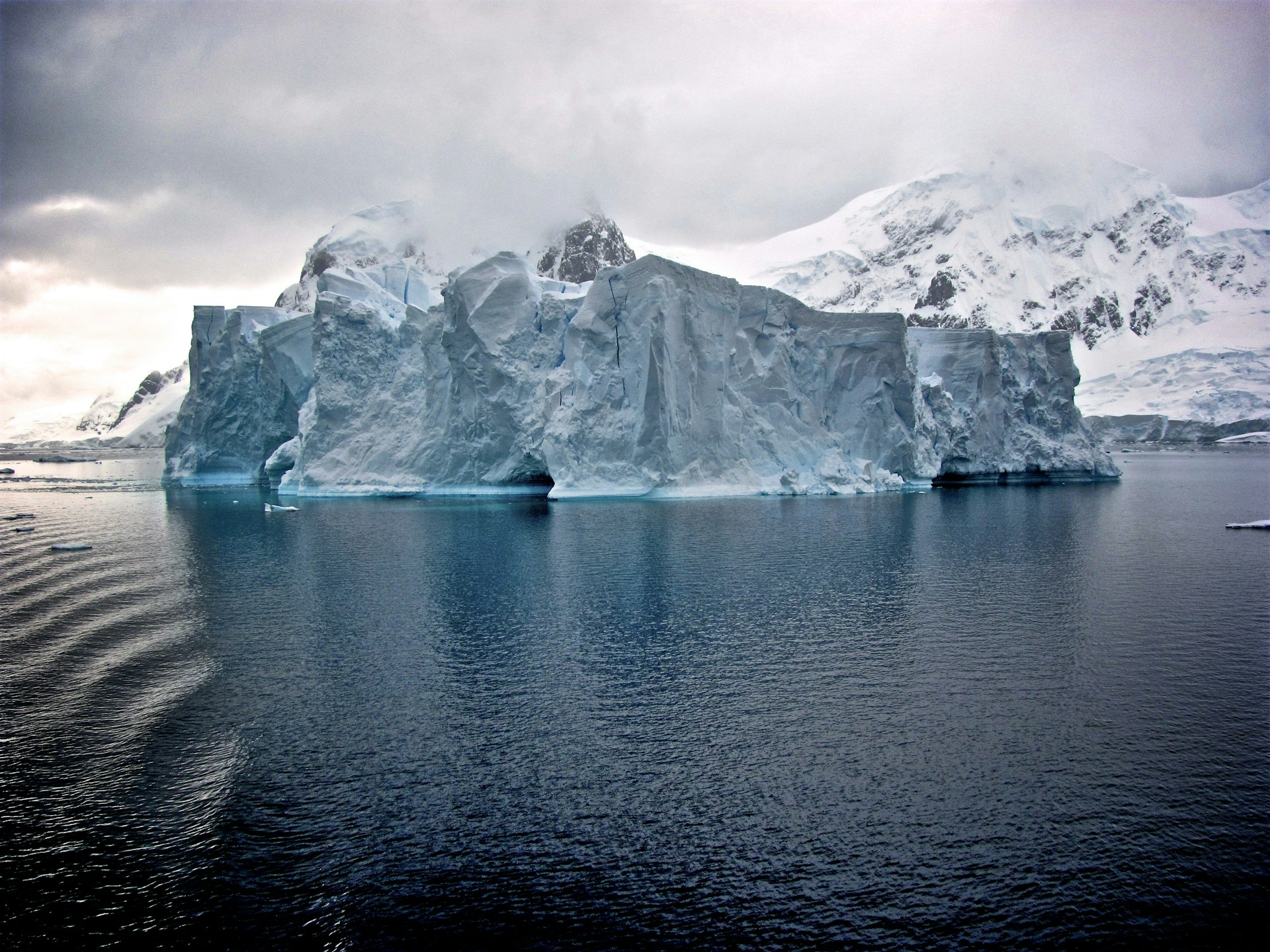
For more than 30 years, satellites have been quietly watching Antarctica. Based on data collected over those years, a team of researchers, primarily from the University of California, conducted a study and published their findings in the Proceedings of the National Academy of Sciences (PNAS).
The study shows that some regions of Antarctica’s grounding lines have pulled back dramatically. Grounding lines are the points where ice stops resting on land and begins floating on the ocean. In parts of West Antarctica along the Amundsen Sea, the ice has retreated by as much as 42 kilometers since the 1990s. Overall, the continent lost about 12,800 square kilometers of grounded ice between 1996 and 2025 — nearly half the size of Belgium.
Scientists say warmer ocean water plays a major role in this development. A current known as Circumpolar Deep Water flows beneath the floating ice shelves, melting them from below. As the ice thins, it loses its grip on the bedrock. When that happens, the grounding line shifts inland — a sign that the ice sheet is weakening.
The study, however, also reveals that over 77% of Antarctica’s coastline has remained stable. But the retreating grounding lines could accelerate ice loss and contribute to rising global sea levels if the retreat continues.
To track these changes observed in this study, researchers relied heavily on data from the Copernicus Sentinel-1 mission, operated by the ESA. These satellites use radar that can see through clouds and darkness. This makes them ideal for monitoring polar regions year-round.
 Add as a preferred source on Google


