


Motorola Signature 27: Three cameras, challenging lighting conditions, and surprising results
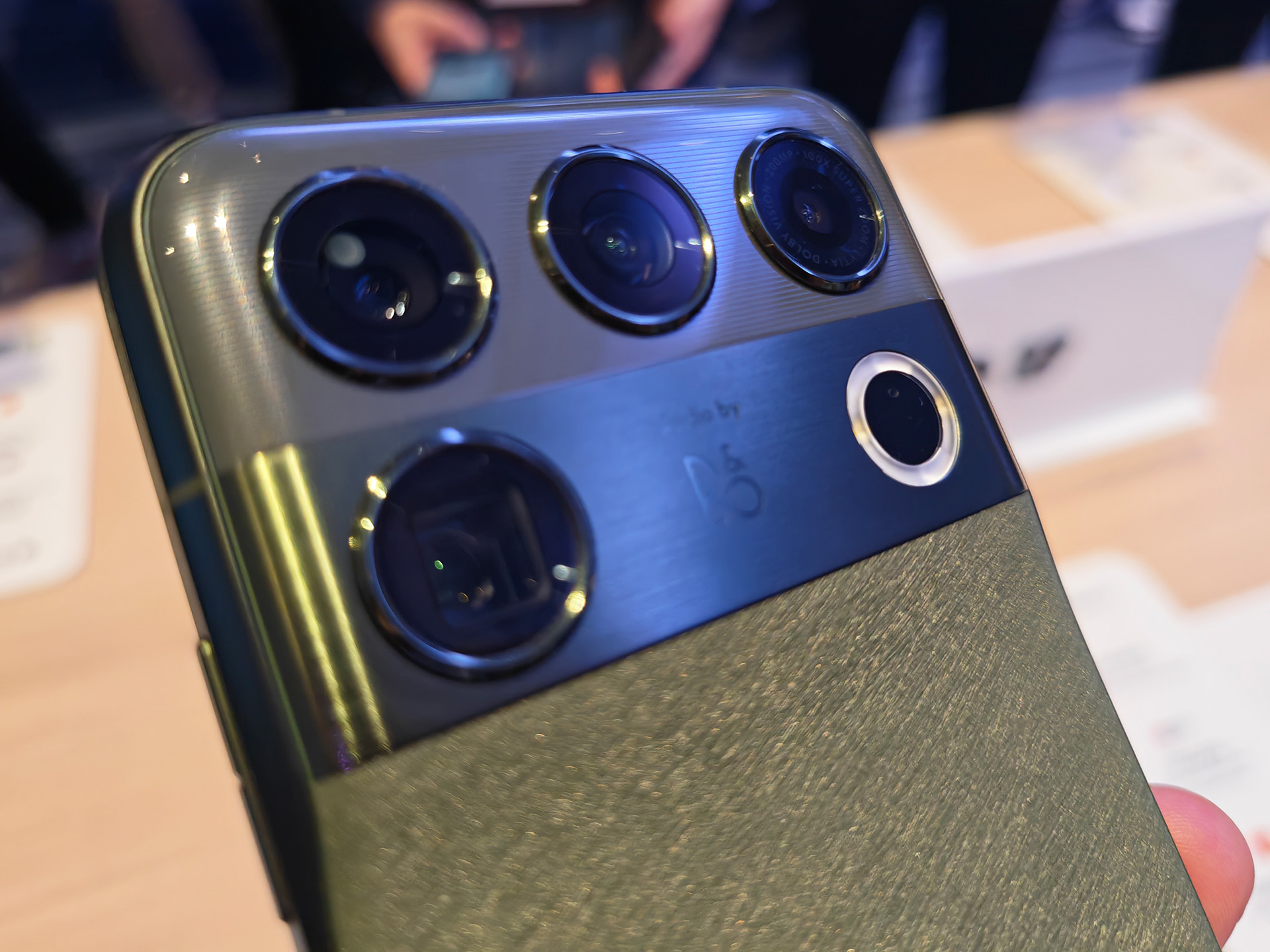
Motorola has equipped the Signature 27 with a comprehensive camera system that includes three rear cameras and an additional Event Vision Sensor (EVS). The 200 MPix periscope camera stands out in particular, while the main and ultra-wide-angle cameras each have a resolution of 50 MPix.
The main camera uses a Sony Lytia L910 sensor in a 1/1.28-inch format with a resolution of 50 MPix. The lens has an aperture of f/1.6 and a 35mm equivalent focal length of approximately 24 mm. In addition to omnidirectional phase detection autofocus (PDAF), the camera features optical image stabilization (OIS), which, according to Motorola, can compensate for movements of up to 3.5 degrees. The sensor also supports LOFIC (Lateral Overflow Integration Capacitor), which is designed to achieve a wider dynamic range, particularly when there are significant differences in brightness. By default, the camera combines four sensor pixels into one pixel and produces photos with approximately 12.5 MPix.
The periscope camera has a resolution of 200 MPix and features a 1/1.56-inch sensor (likely the Samsung HP5). Motorola combines this with an f/2.6 aperture and 3x optical zoom, which corresponds to a 35mm equivalent focal length of 71 mm. This camera also features phase-detection autofocus and optical image stabilization. Light sensitivity is improved by combining 16 sensor pixels. For higher magnifications, Motorola offers an AI-powered digital zoom with up to 100x magnification.
The third camera covers the ultra-wide-angle range with 50 MPix. Its sensor has a 1/2.76-inch format, and the lens features an f/2.0 aperture and a 122.1-degree field of view. As with the front camera, this could be either a Samsung JN1 or JN5; Motorola does not provide specific details here. The 35mm equivalent focal length is 12 mm. Thanks to phase-detection autofocus, the camera can also be used for macro photography, with Motorola specifying a minimum focusing distance of 2.5 cm.
On the front is another 50-MP camera with a 1/2.75-inch sensor and an f/1.9 aperture. It supports autofocus and has a 35mm equivalent focal length of 21 mm.
A unique feature is the additional Event Vision Sensor (EVS), which detects changes in brightness within a scene. Unlike traditional image sensors, it does not continuously capture full frames but reacts to local changes in brightness. Motorola uses this information, among other things, for Action Shot mode to better capture moving subjects. The system is complemented by laser autofocus and a multispectral 3-in-1 light sensor, which is designed to assist in detecting lighting conditions.
In Tromsø, Norway, we were able to take many photos with the Motorola Signature 27 during the event, which we’d like to present to you here and subject to an initial analysis.
Main camera - Good dynamic range and natural colors despite challenging lighting conditions
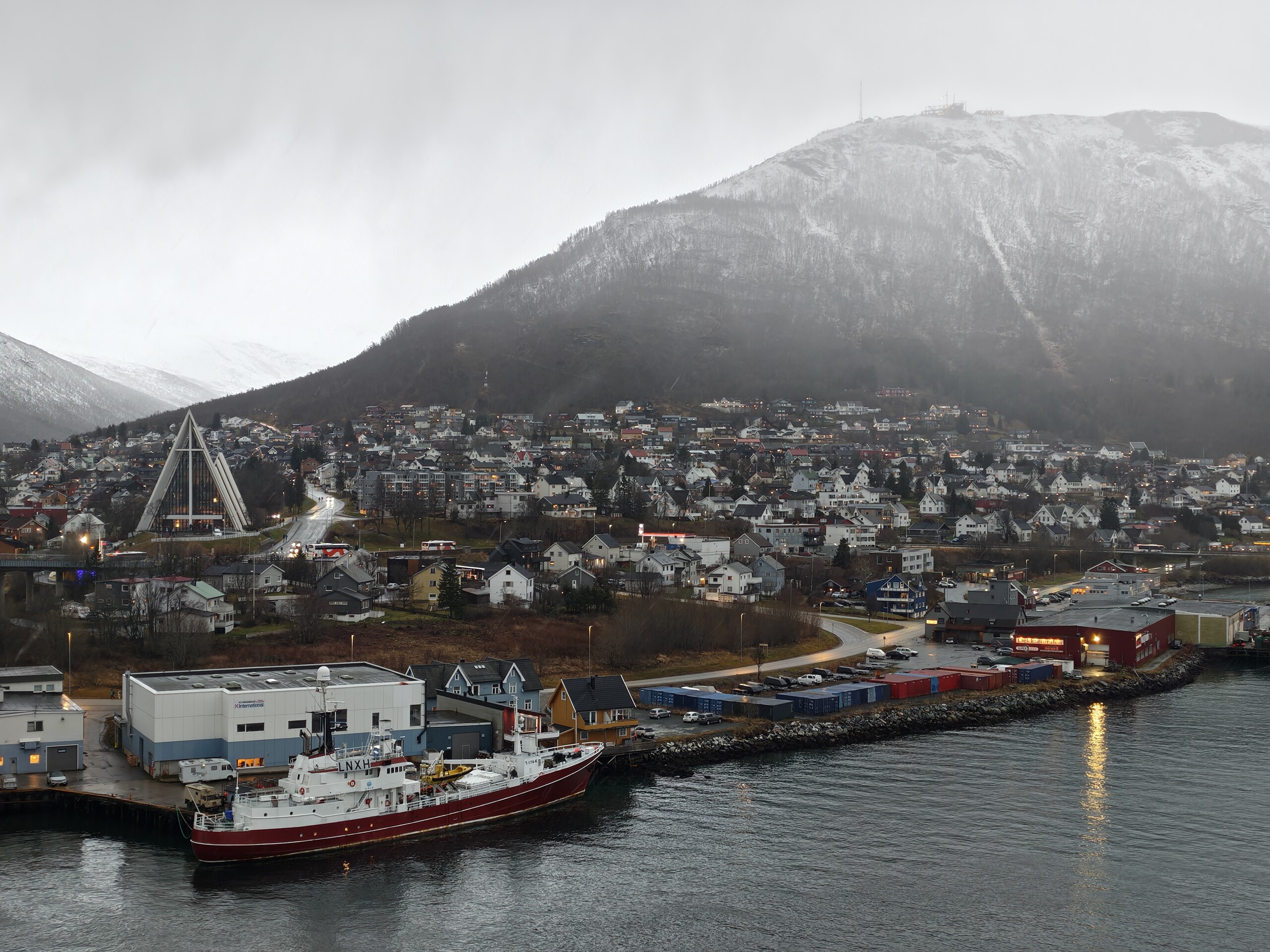
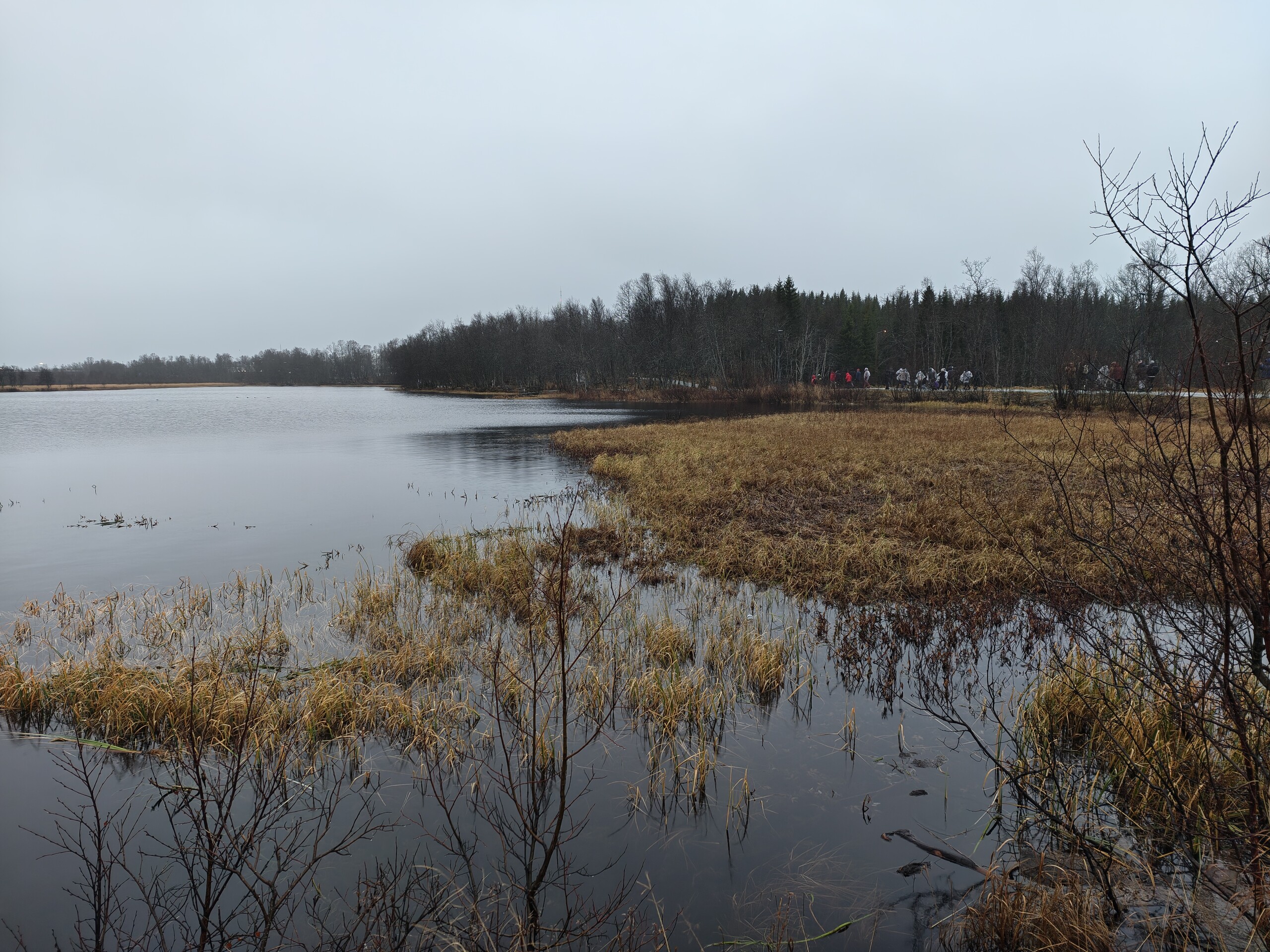
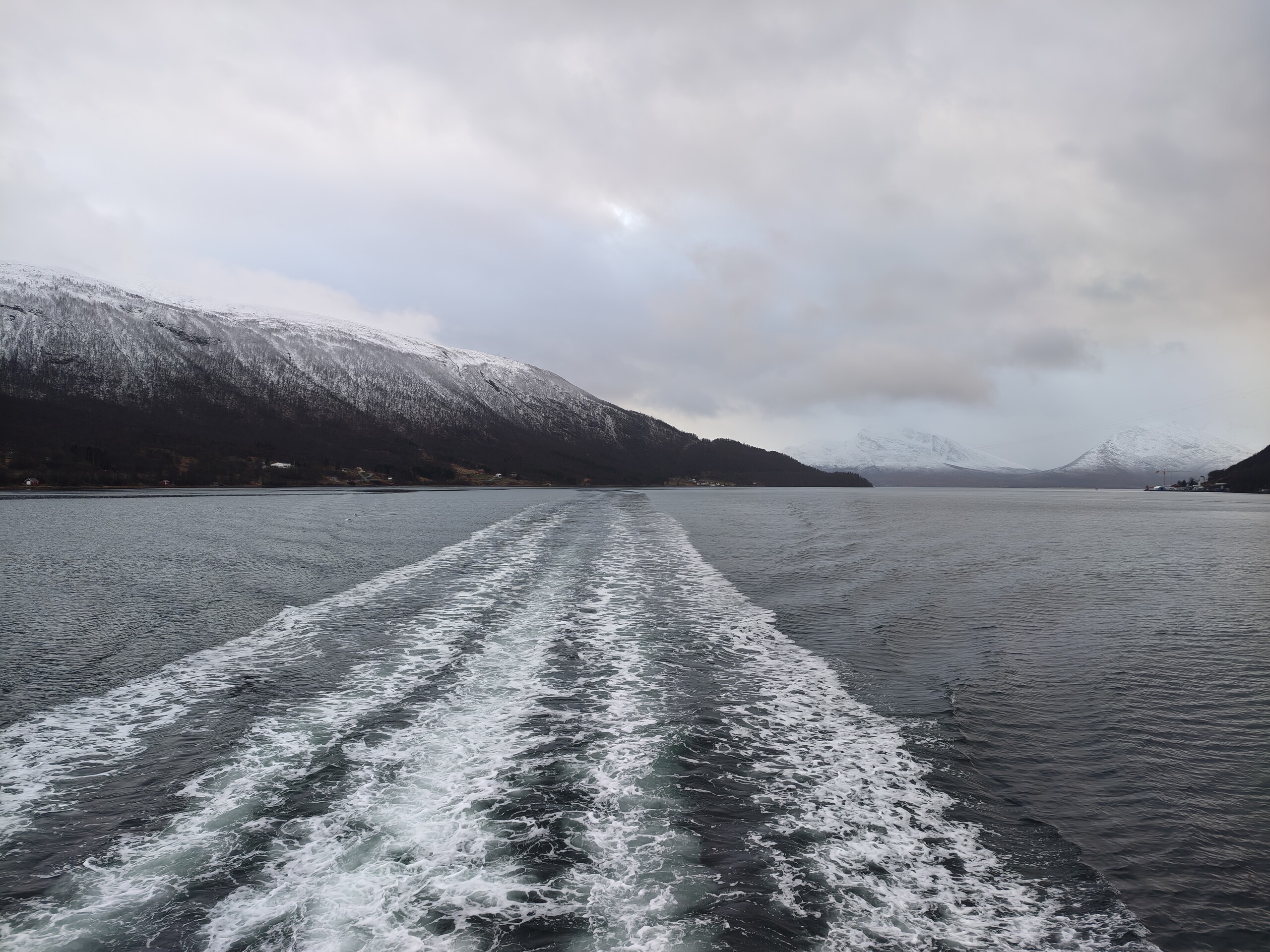
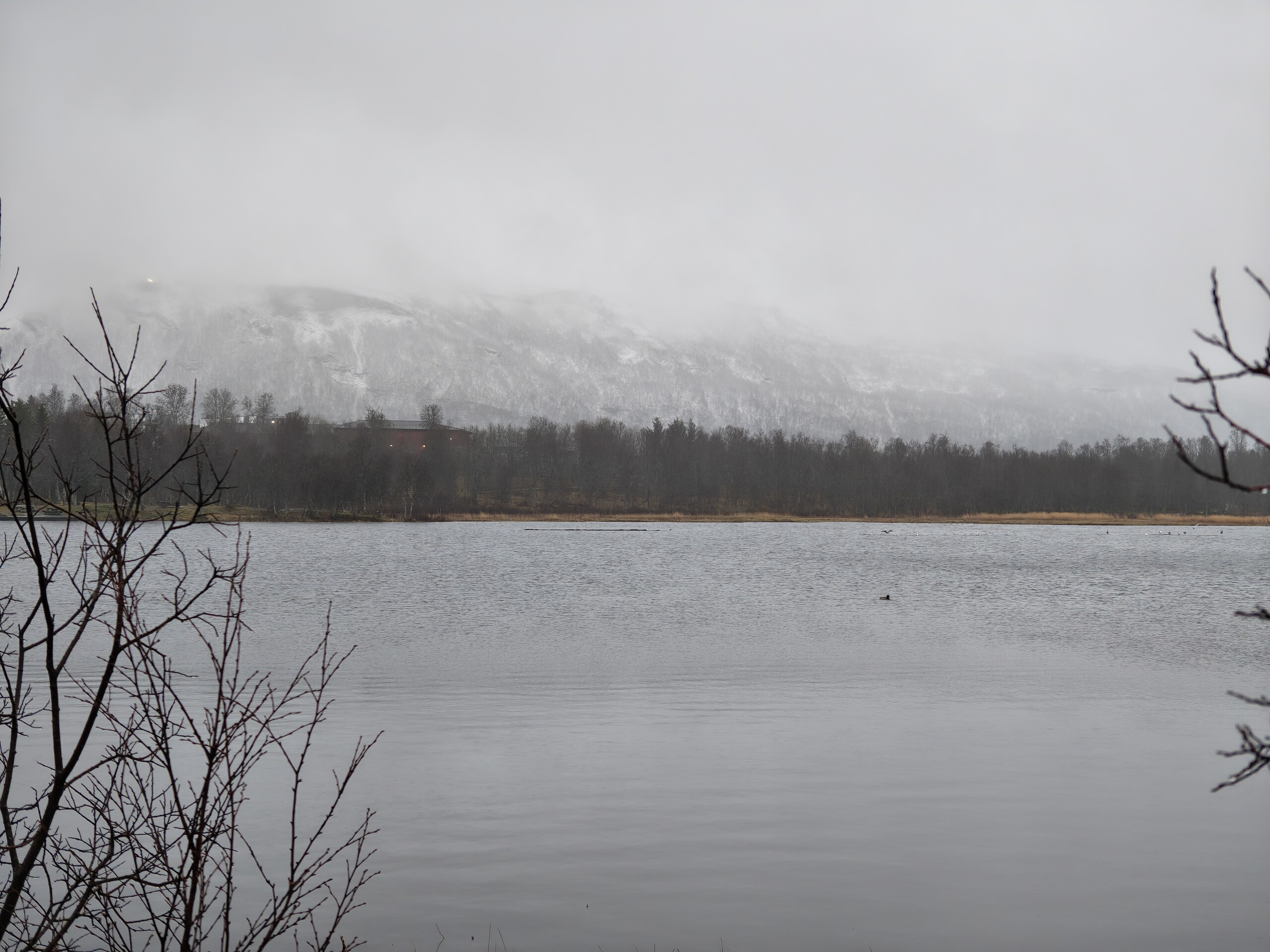
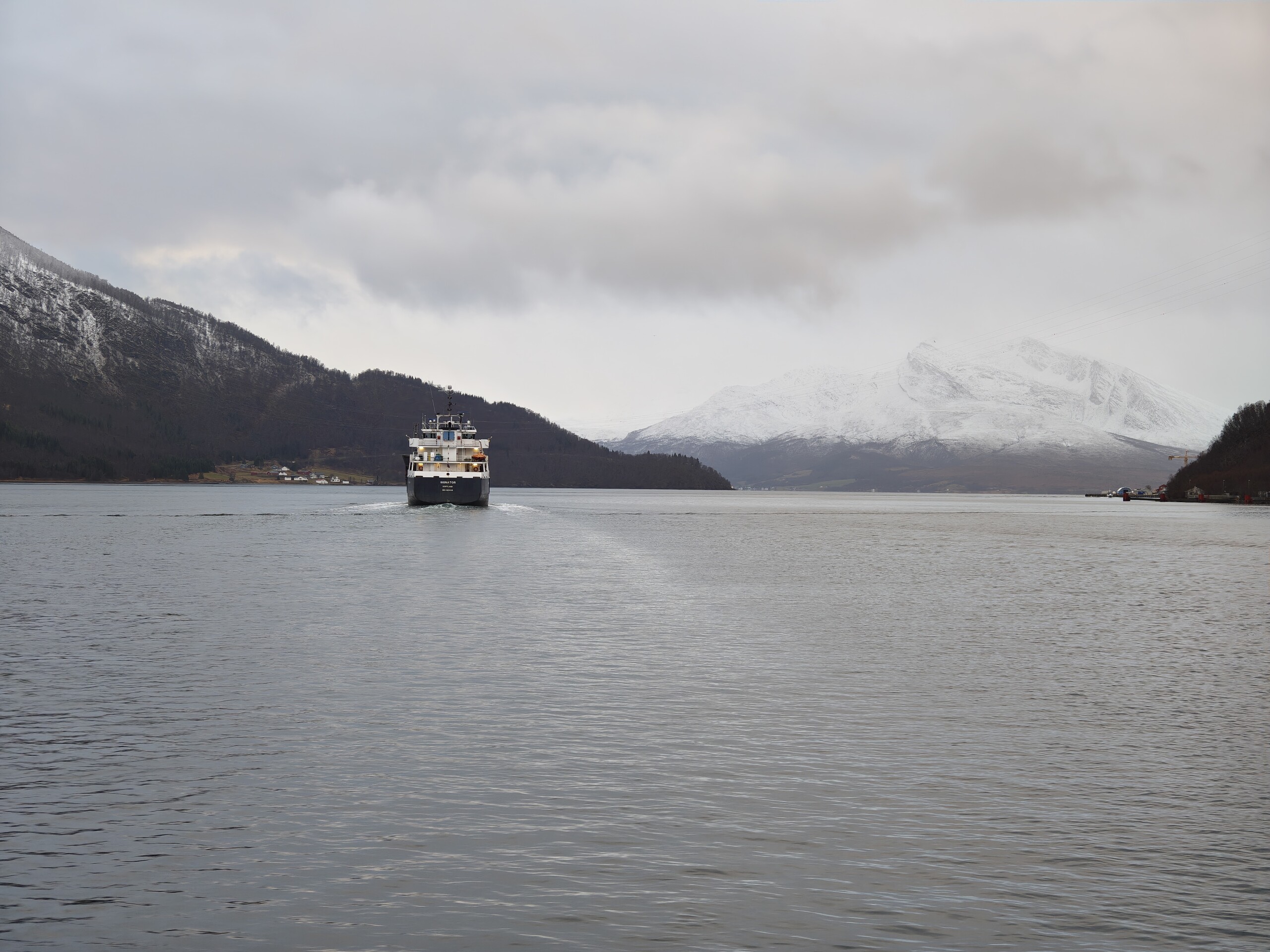
The Motorola Signature 27's main camera features a 50 MP Sony Lytia L910 sensor (1/1.28 inches), an f/1.6 aperture, and a 24 mm equivalent focal length. It makes a good first impression. The gloomy weather in Tromsø, with low-hanging clouds, rain, and limited daylight, poses a considerable challenge for image processing.
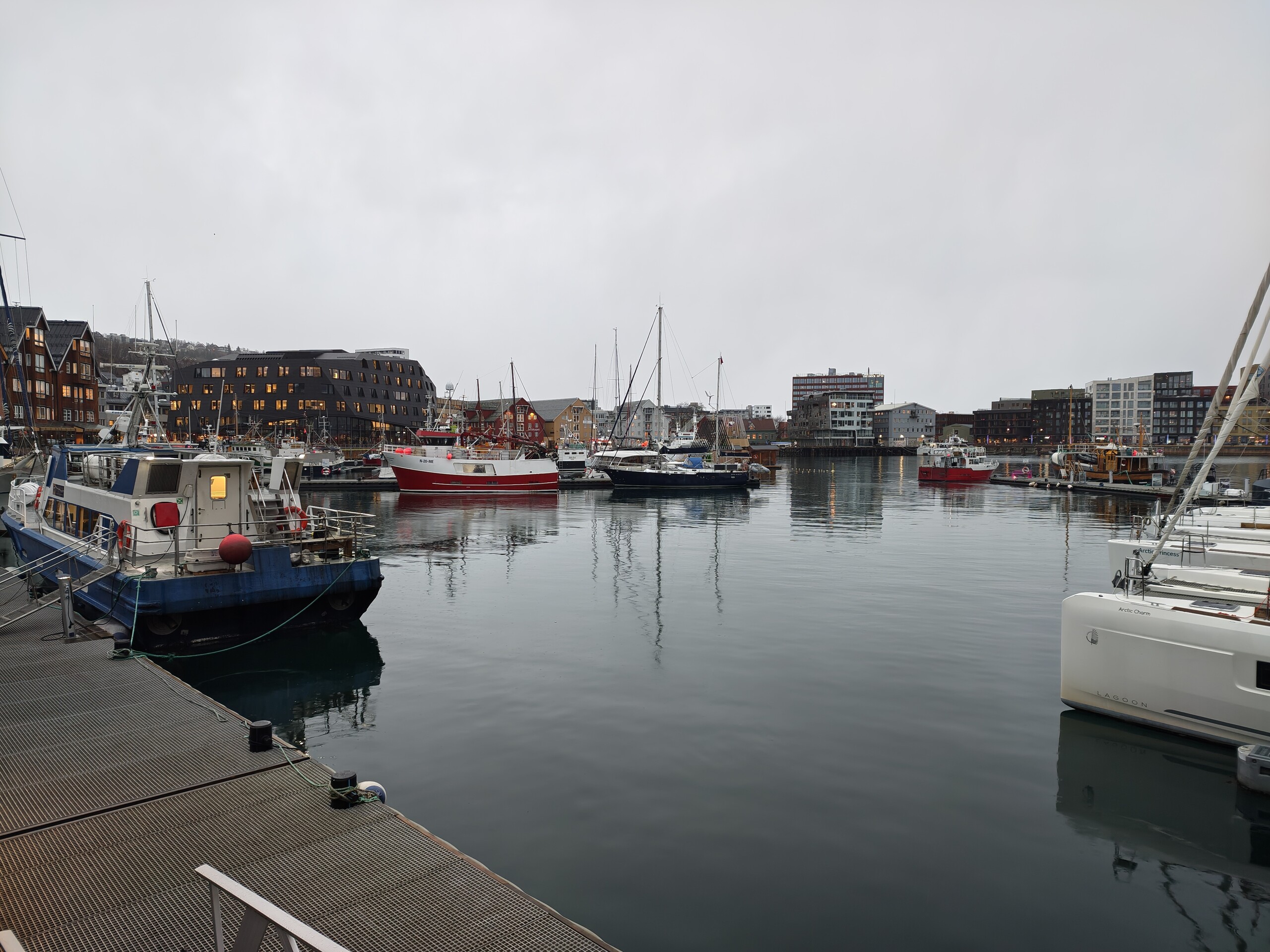
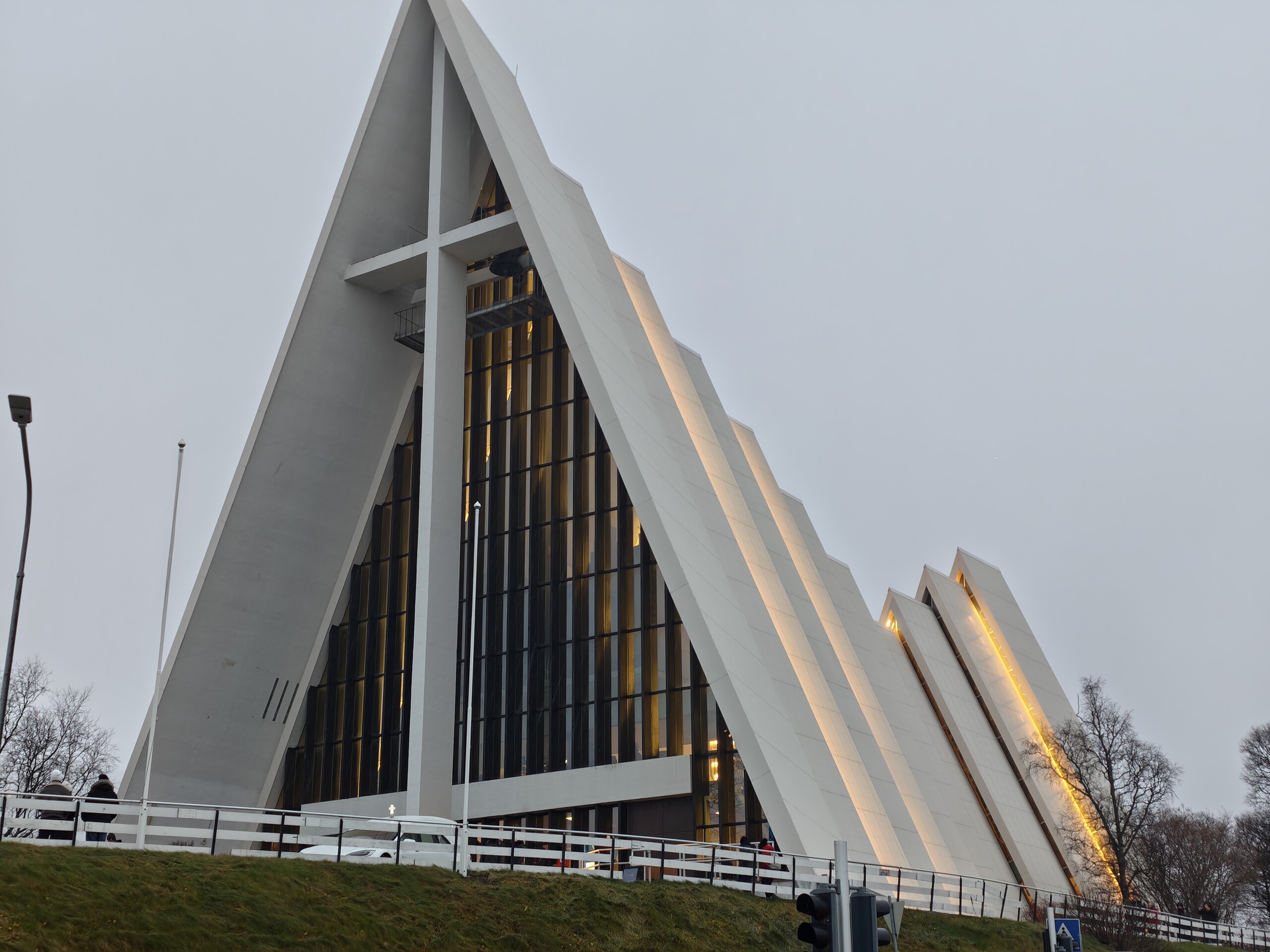
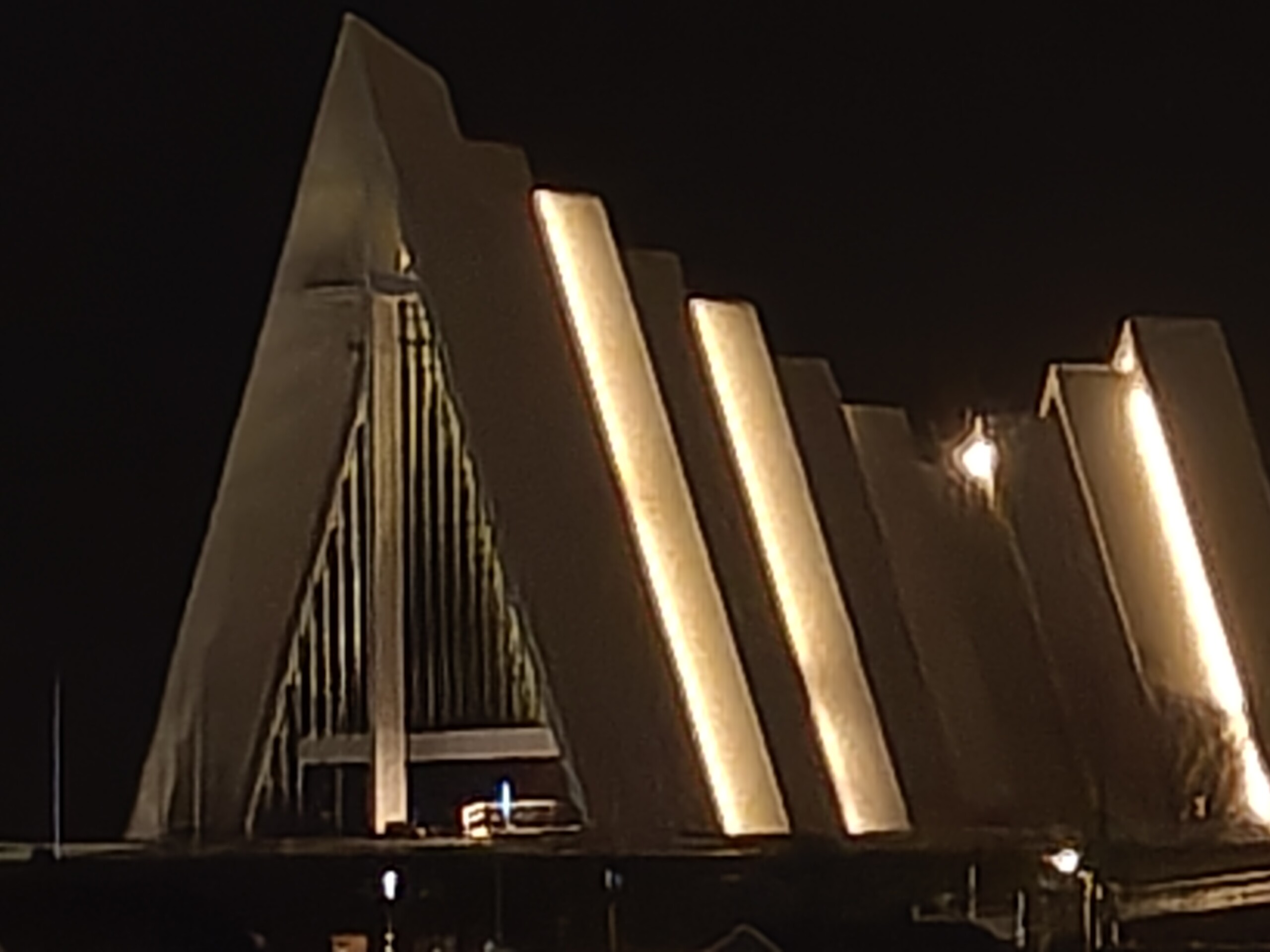
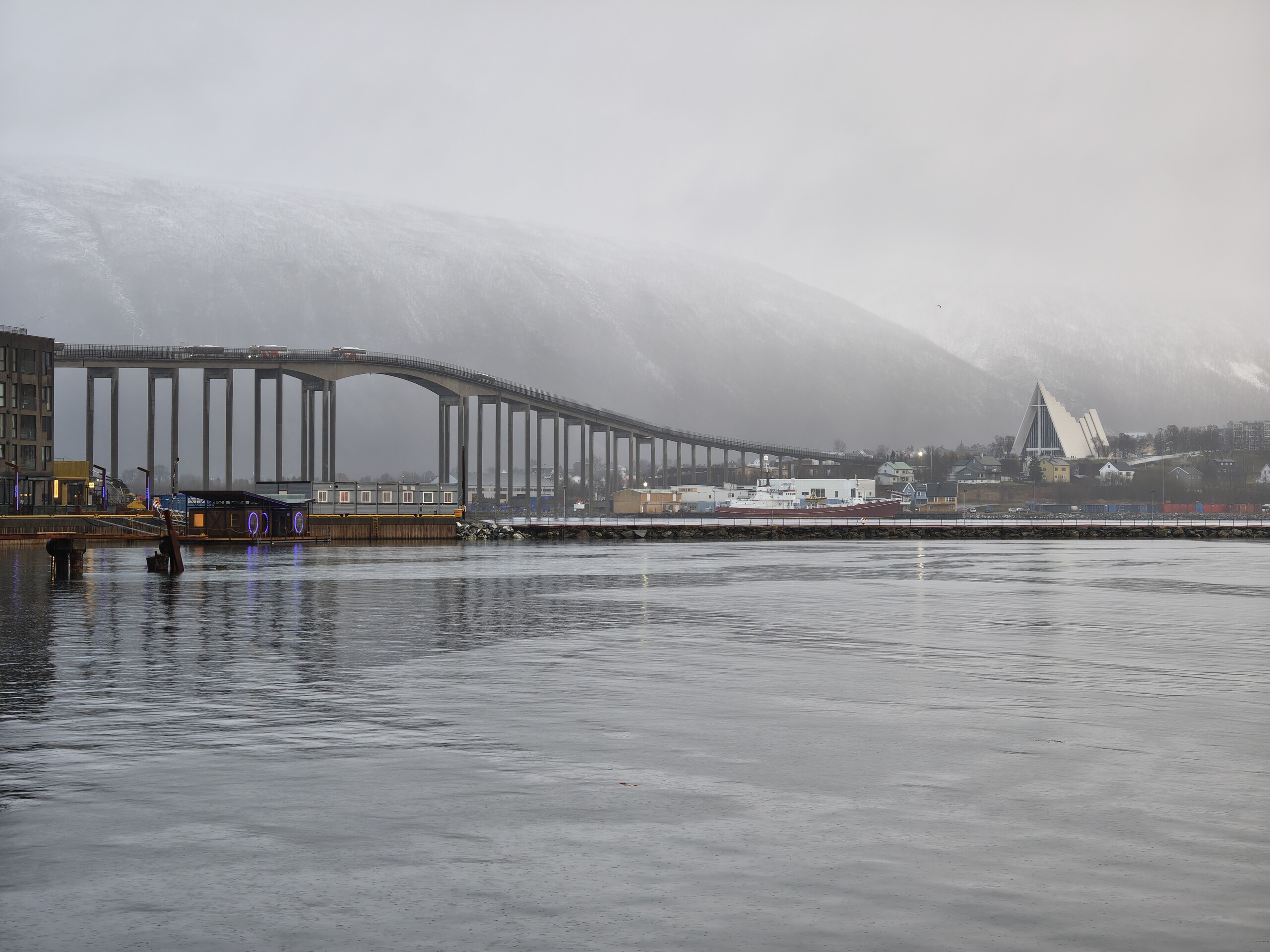
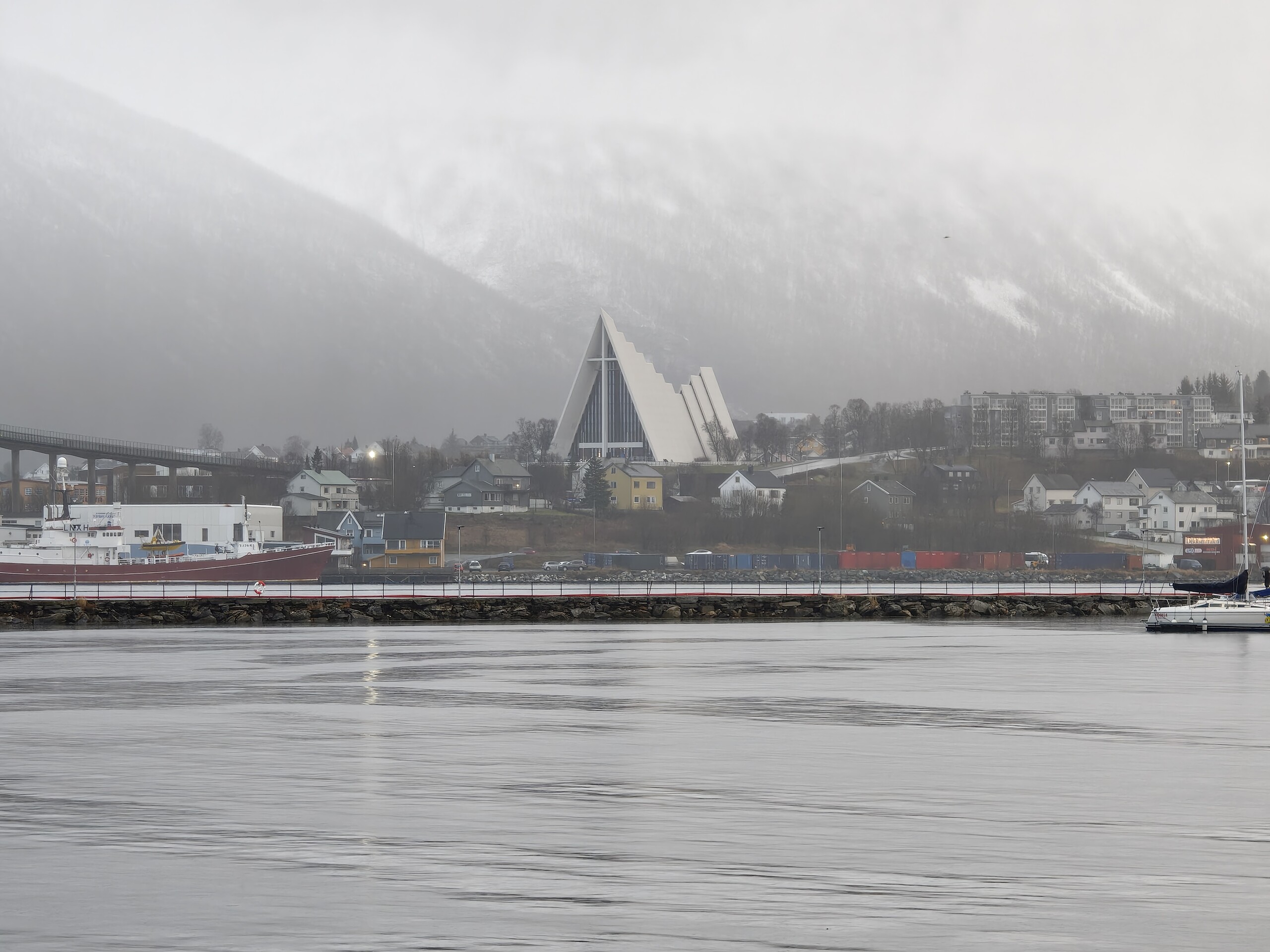
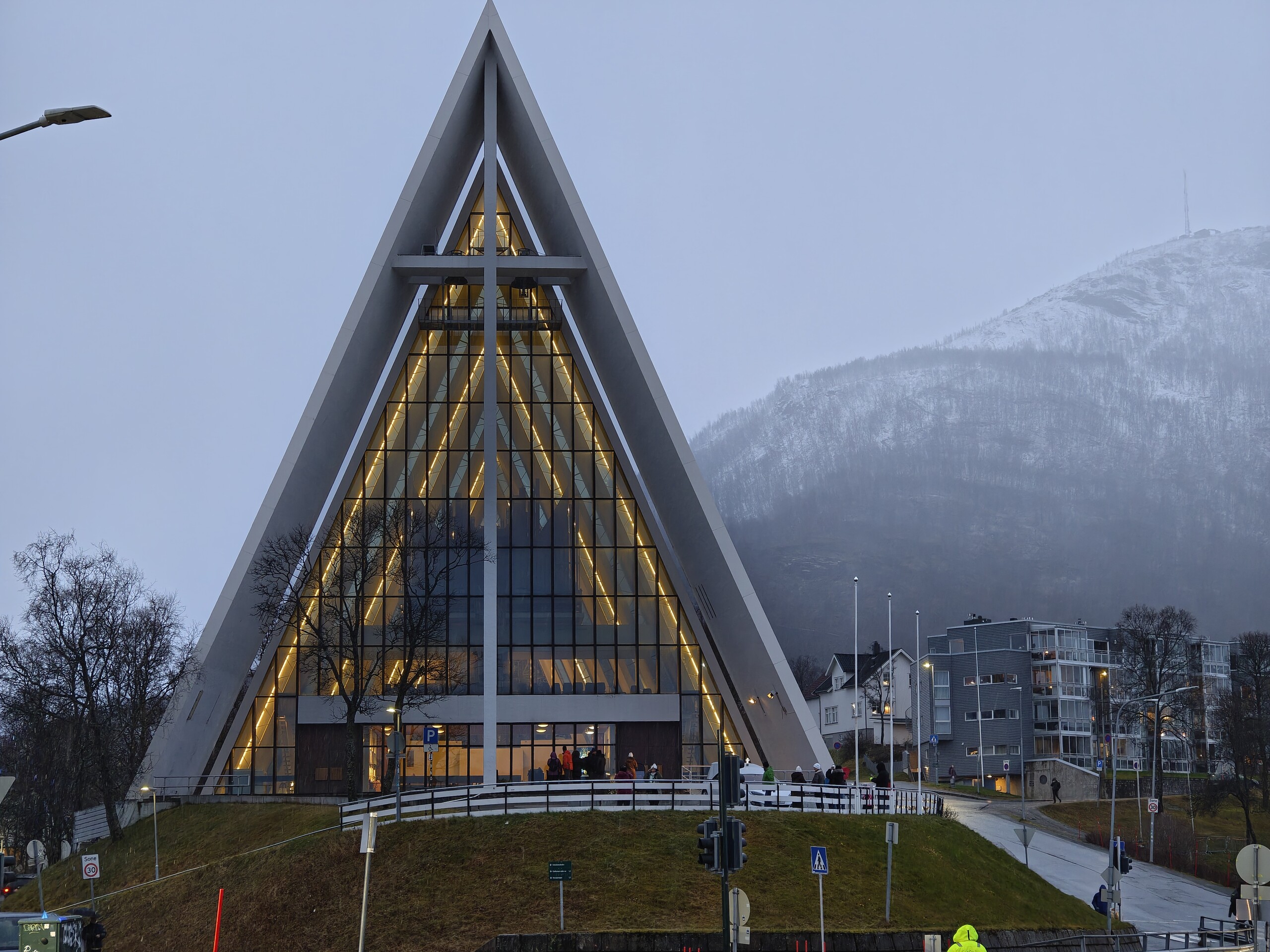
The dynamic range is particularly impressive. The city and harbor shots retain plenty of detail in both the bright clouds and darker building facades. HDR processing brightens shadows without making them look unnatural. Color reproduction is mostly natural and restrained, as demonstrated by the photos of the mural and the Arctic Cathedral. Fine structures are reproduced well, although some edges appear slightly oversharpened upon closer inspection.
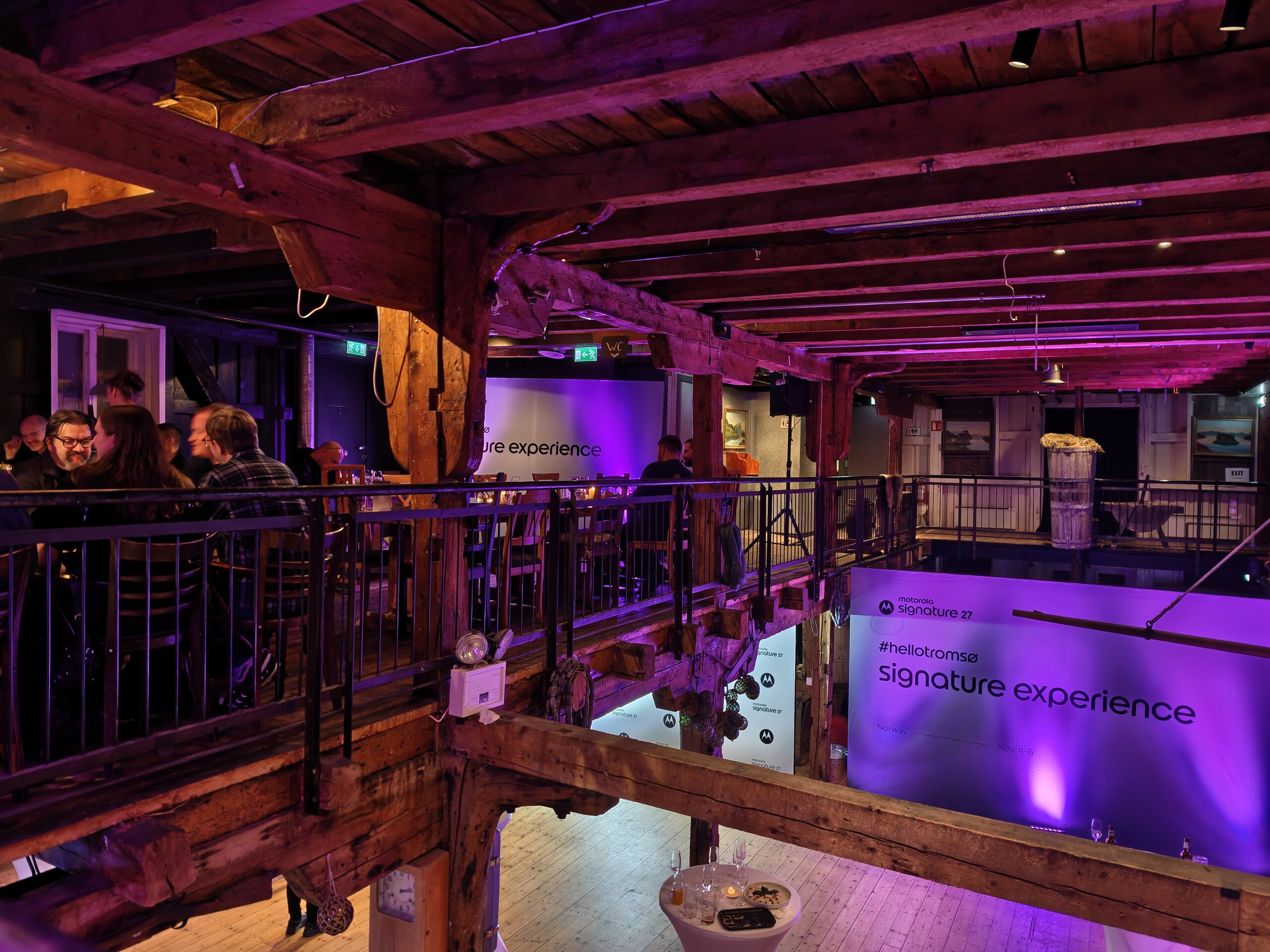
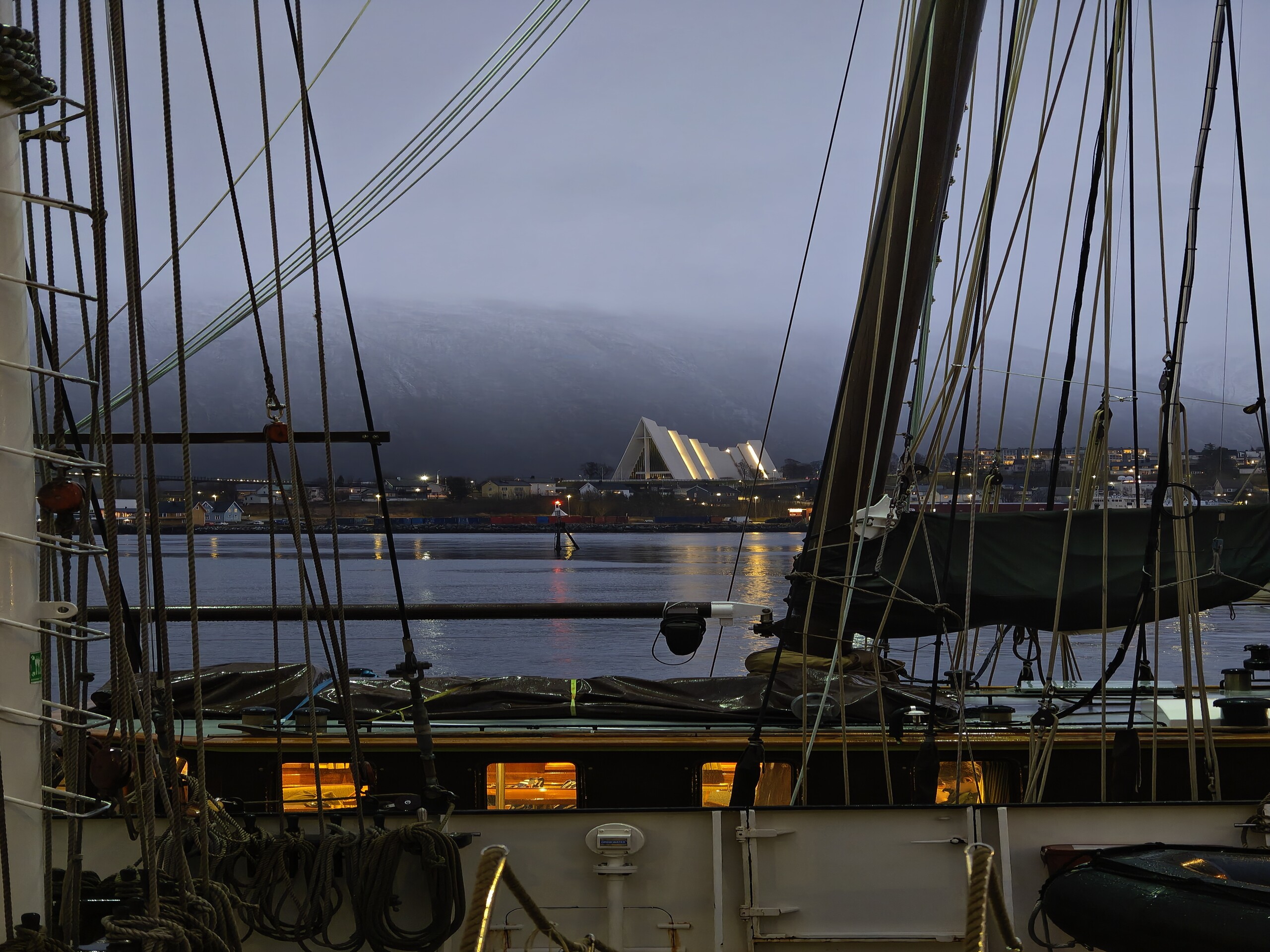
The main camera also delivers usable results in low light. Nighttime harbor shots show well-defined ships and buildings, although finer details are lost in darker areas. Bright light sources are occasionally overexposed. At the Motorola event, where intense purple lighting dominated the scene, many details remain visible, but color differentiation suffers in places under the challenging artificial lighting.















Zoom - Good image quality at 3x zoom
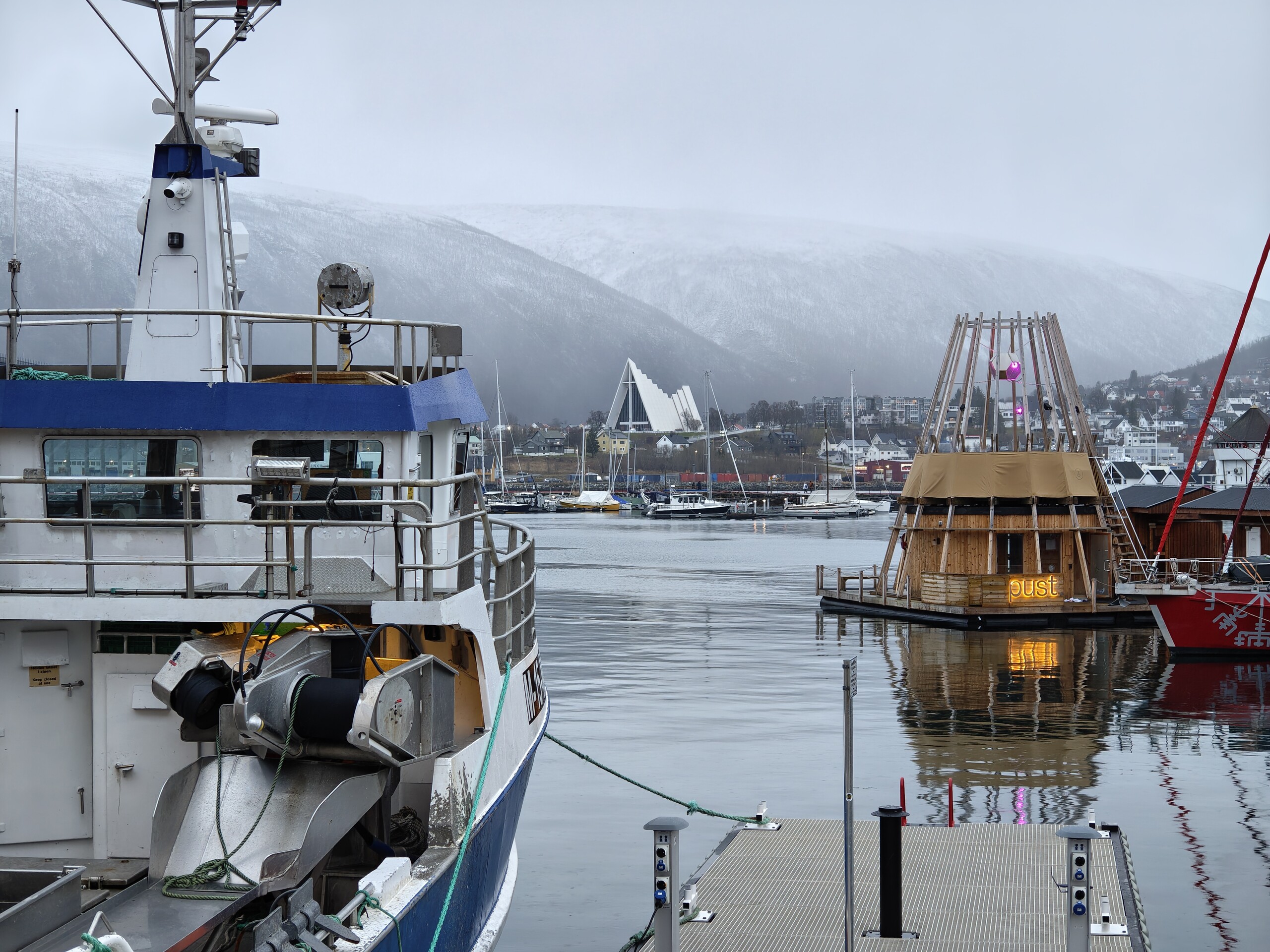
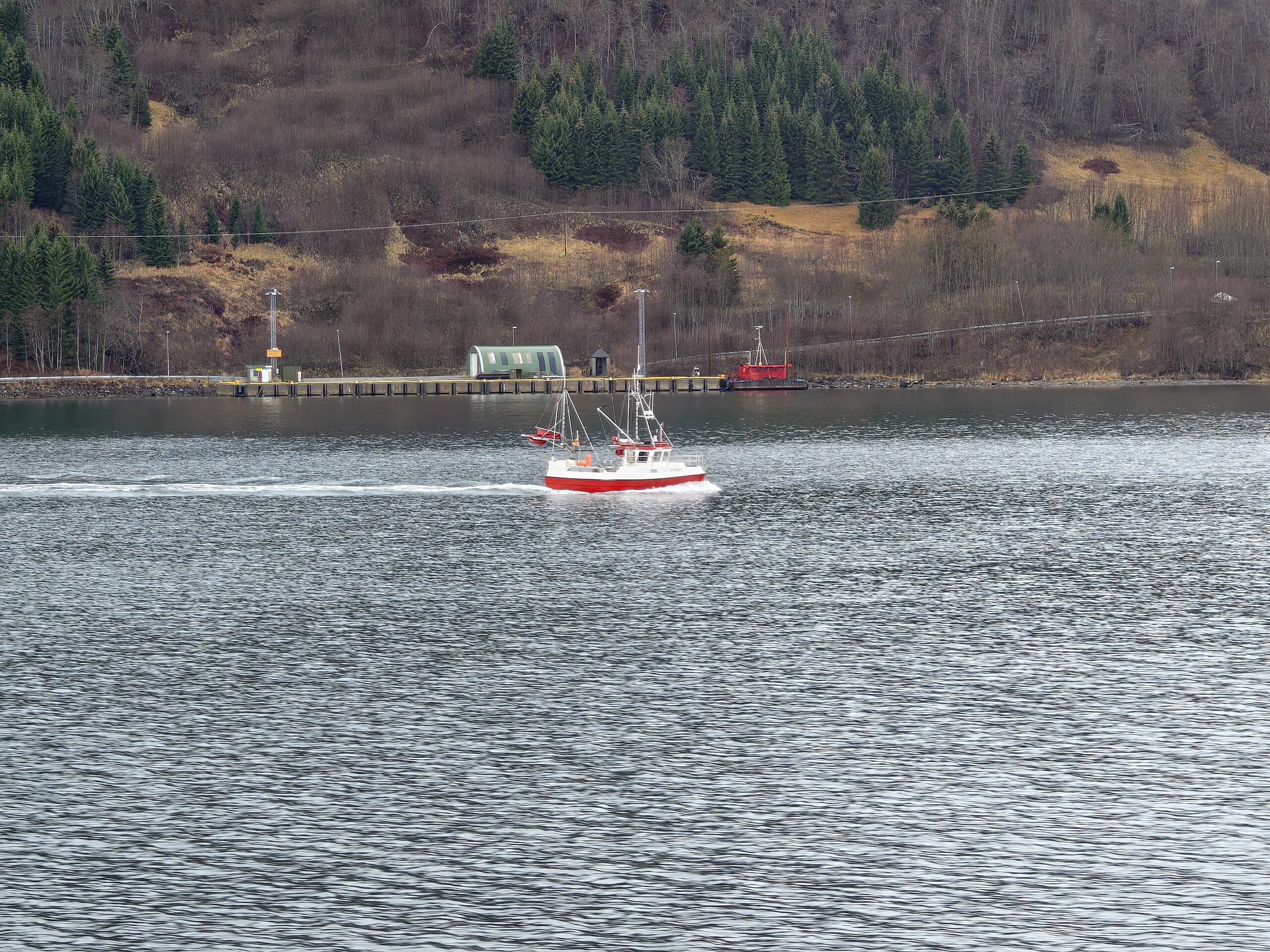
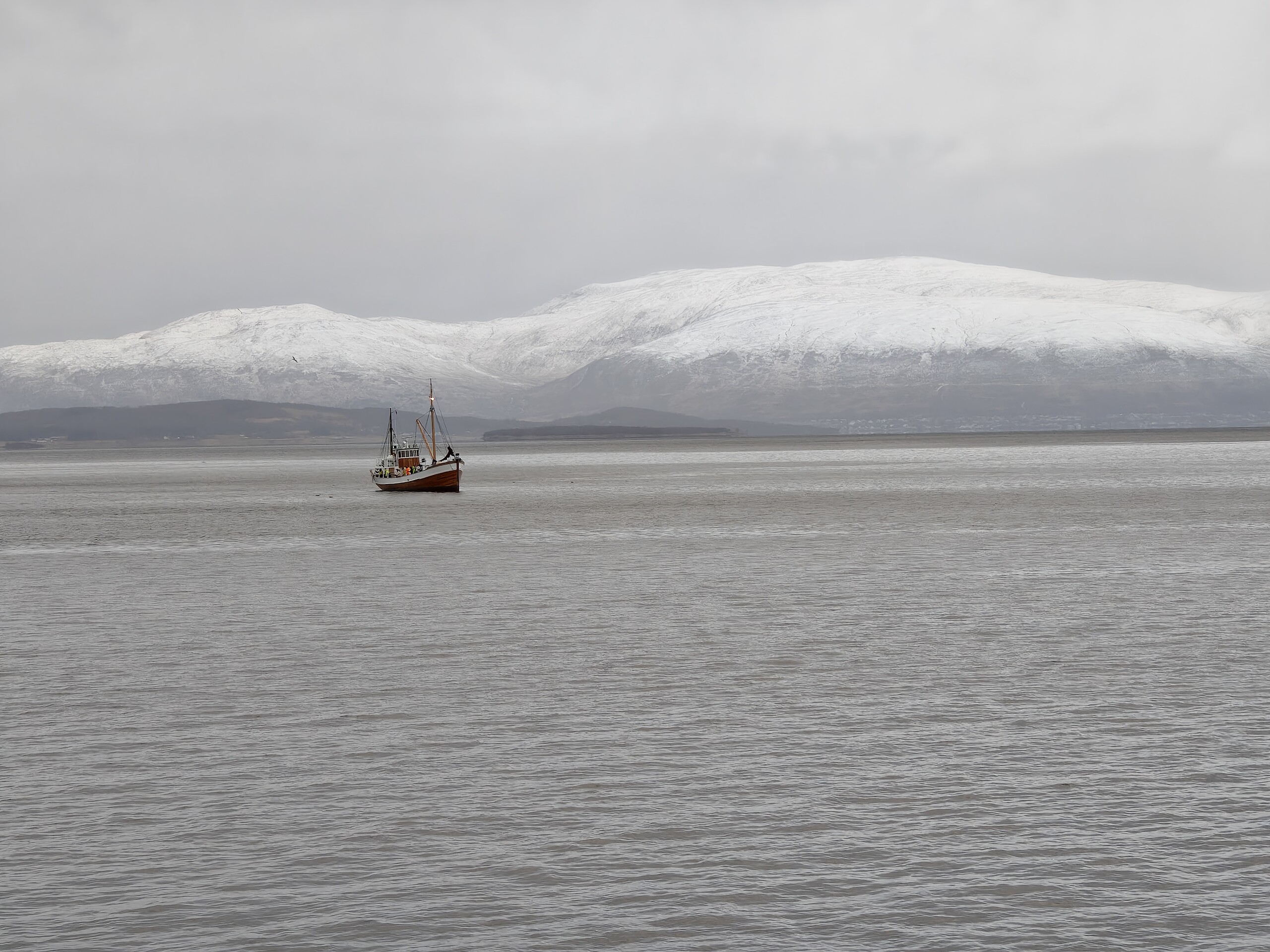
The Motorola Signature 27's periscope telephoto camera offers a 71 mm equivalent focal length, providing approximately 3x optical zoom compared to the main camera. The photos taken in Tromsø show mostly natural colors and good detail reproduction. Fine structures such as window frames, ship superstructures, and building facades are rendered clearly, particularly in the harbor shots and photos of the Arctic Cathedral. Exposure is generally well balanced under overcast skies, without excessively brightening highlights.
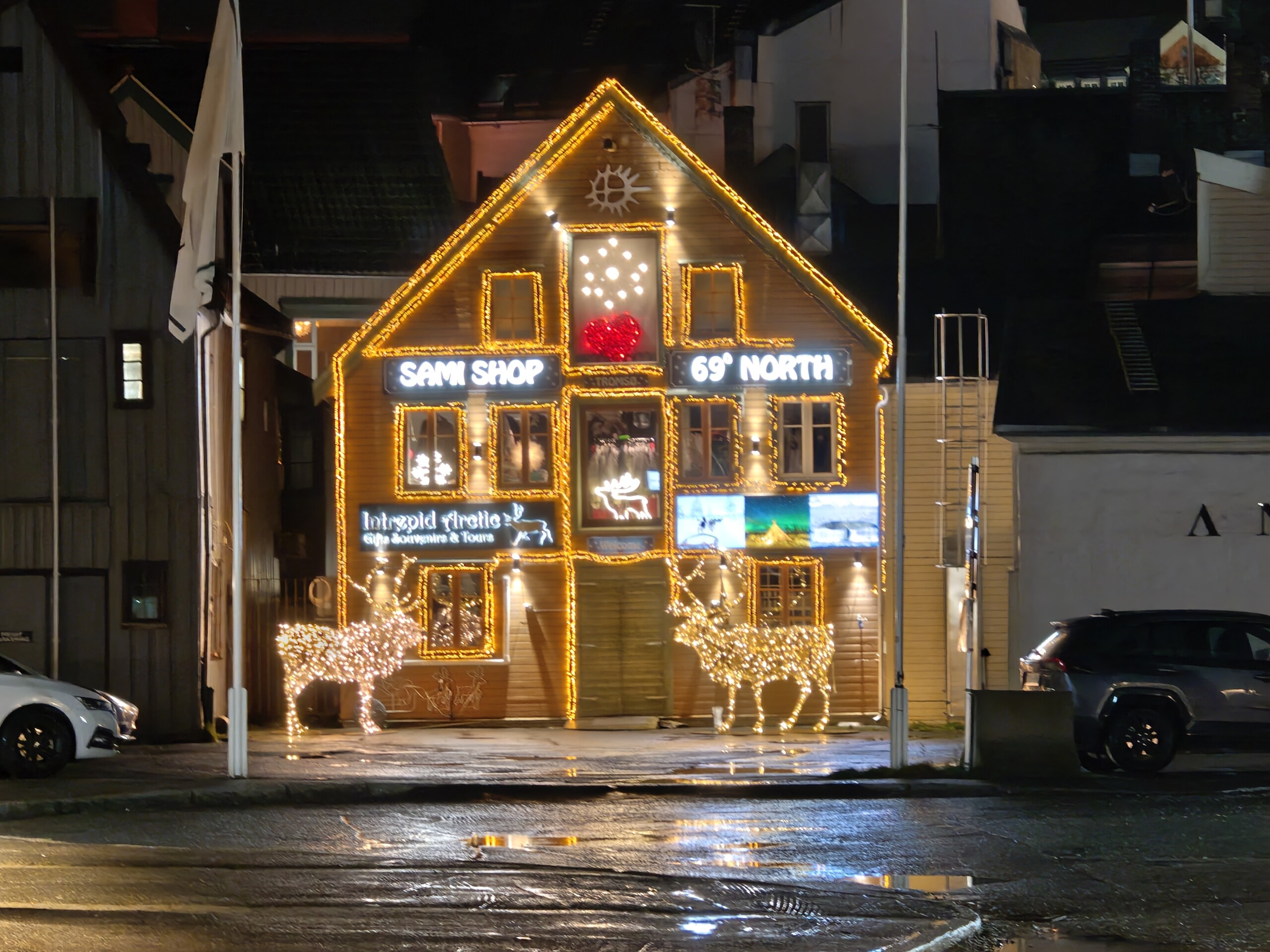
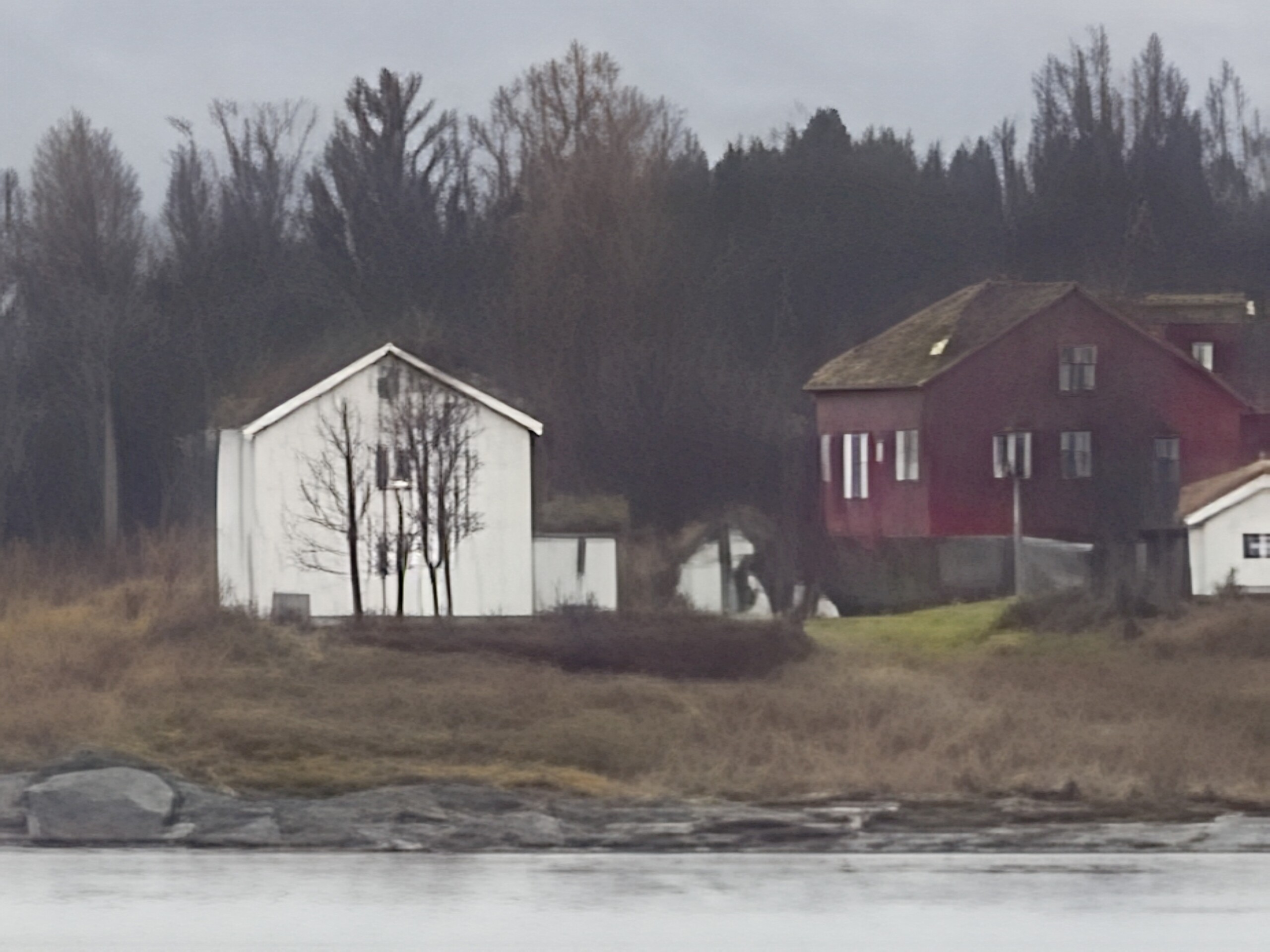
Image quality deteriorates noticeably in low light. The nighttime shot of the illuminated store shows softened details and blown-out highlights. In the wildlife photos, feathers and outlines remain clearly visible, although fine structures sometimes appear artificially sharpened. At higher digital zoom levels, detail is increasingly lost, while image noise and smoothing artifacts become more apparent. The distant houses consequently look washed out and lack definition.
Within its optical zoom range, the telephoto camera delivers good results, particularly with stationary subjects. However, image processing reaches its limits in low light and at higher zoom levels.











Ultra-wide-angle camera - Good detail, weaknesses in low light
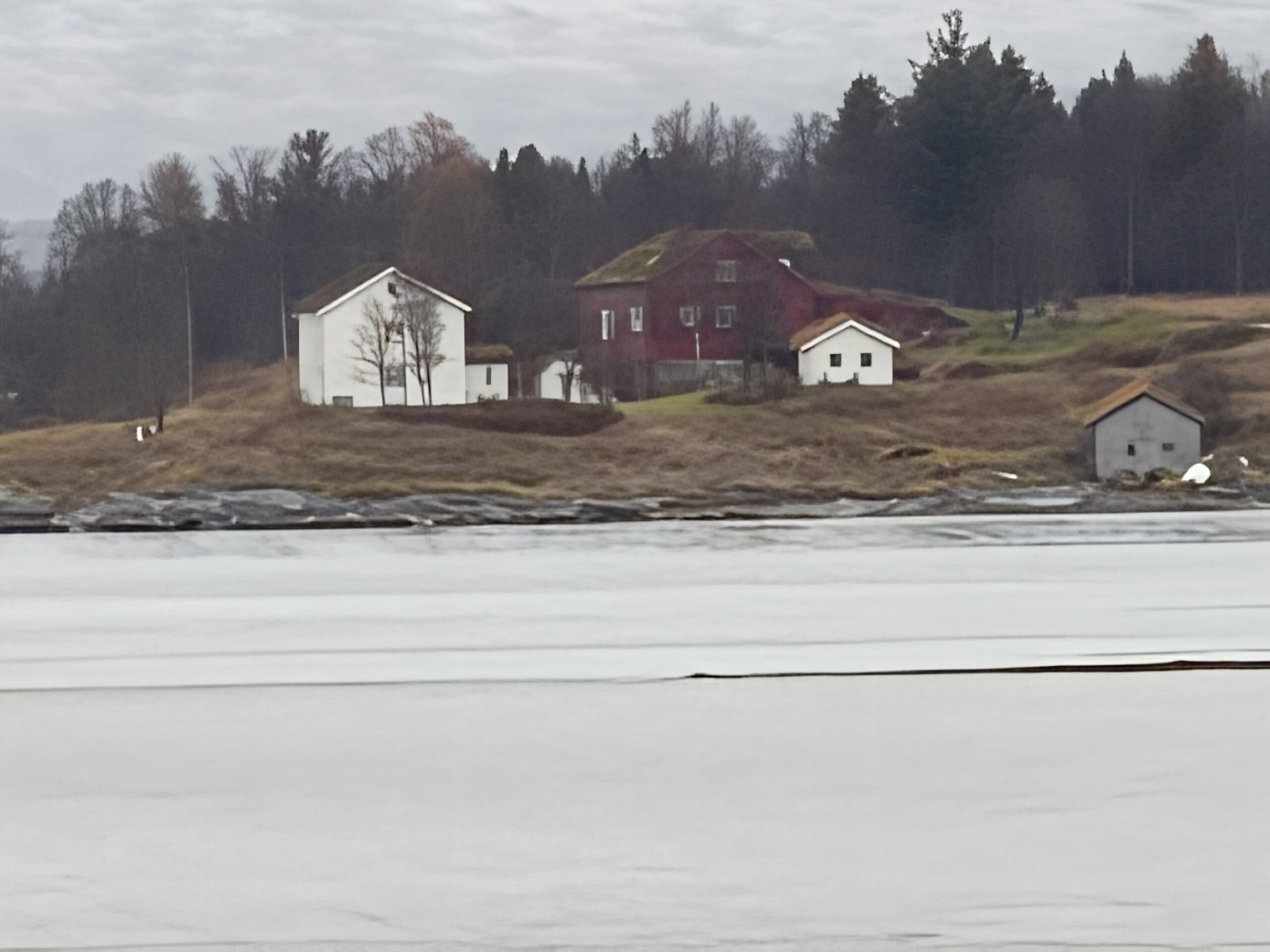
The Motorola Signature 27's ultra-wide-angle camera captures detailed photos in daylight, with balanced exposure and largely natural color reproduction. The harbor shot shows decent sharpness even toward the edges of the frame, although fine structures become slightly softer near the corners. The camera also delivers plenty of detail in close-up shots, as seen in the textures of meat, vegetables, and fruit.
Image quality declines noticeably in low light. The nighttime harbor shot shows brightened shadows, but fine details are lost and darker areas appear somewhat smudged. Under artificial lighting, subjects remain clearly recognizable, although vivid colors and reflections are sometimes exaggerated. Aggressive noise reduction and smoothed textures are particularly noticeable in the restaurant photos. The close-up shots also reveal that sharpness is not always consistent across the entire subject.
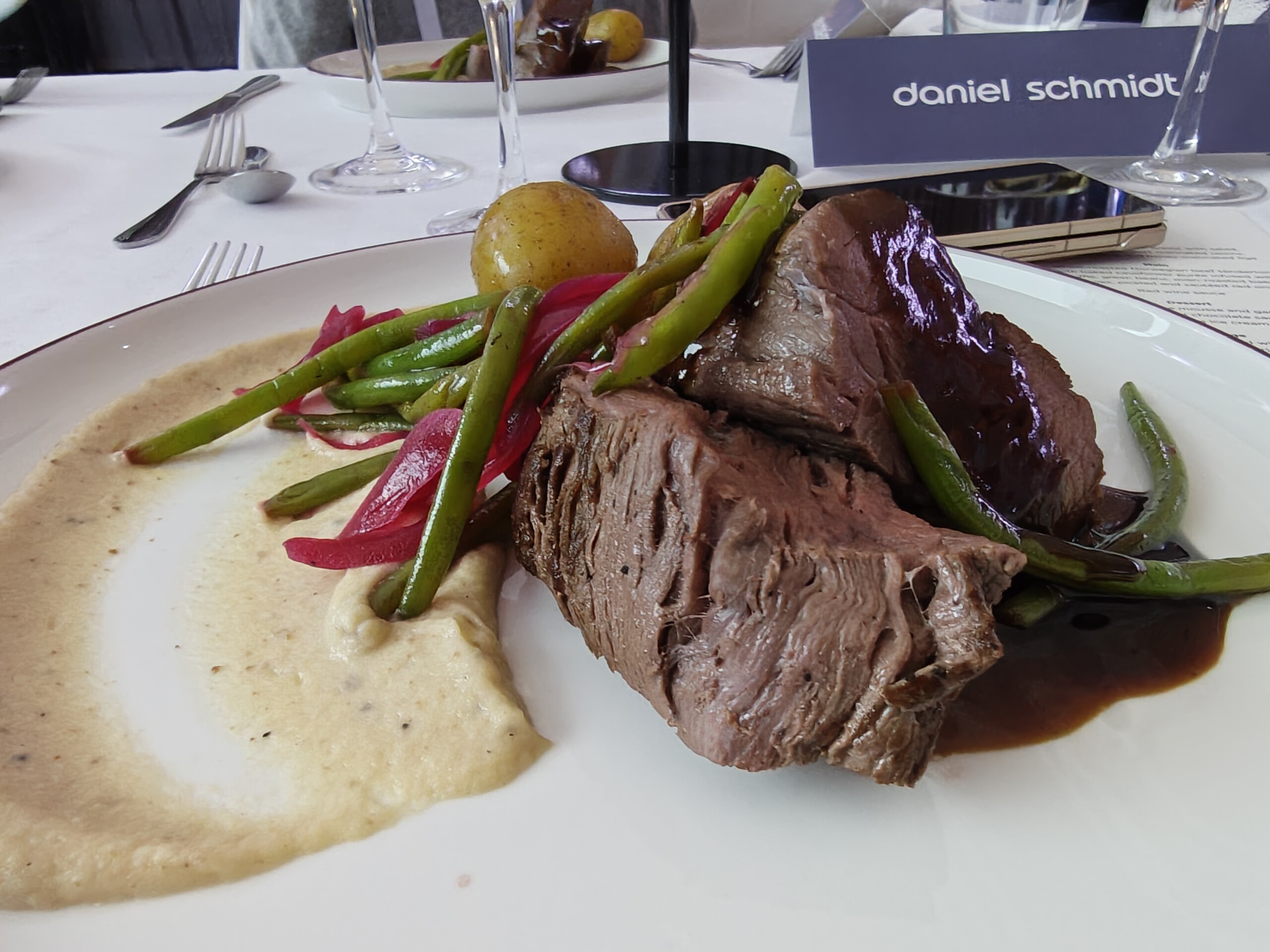
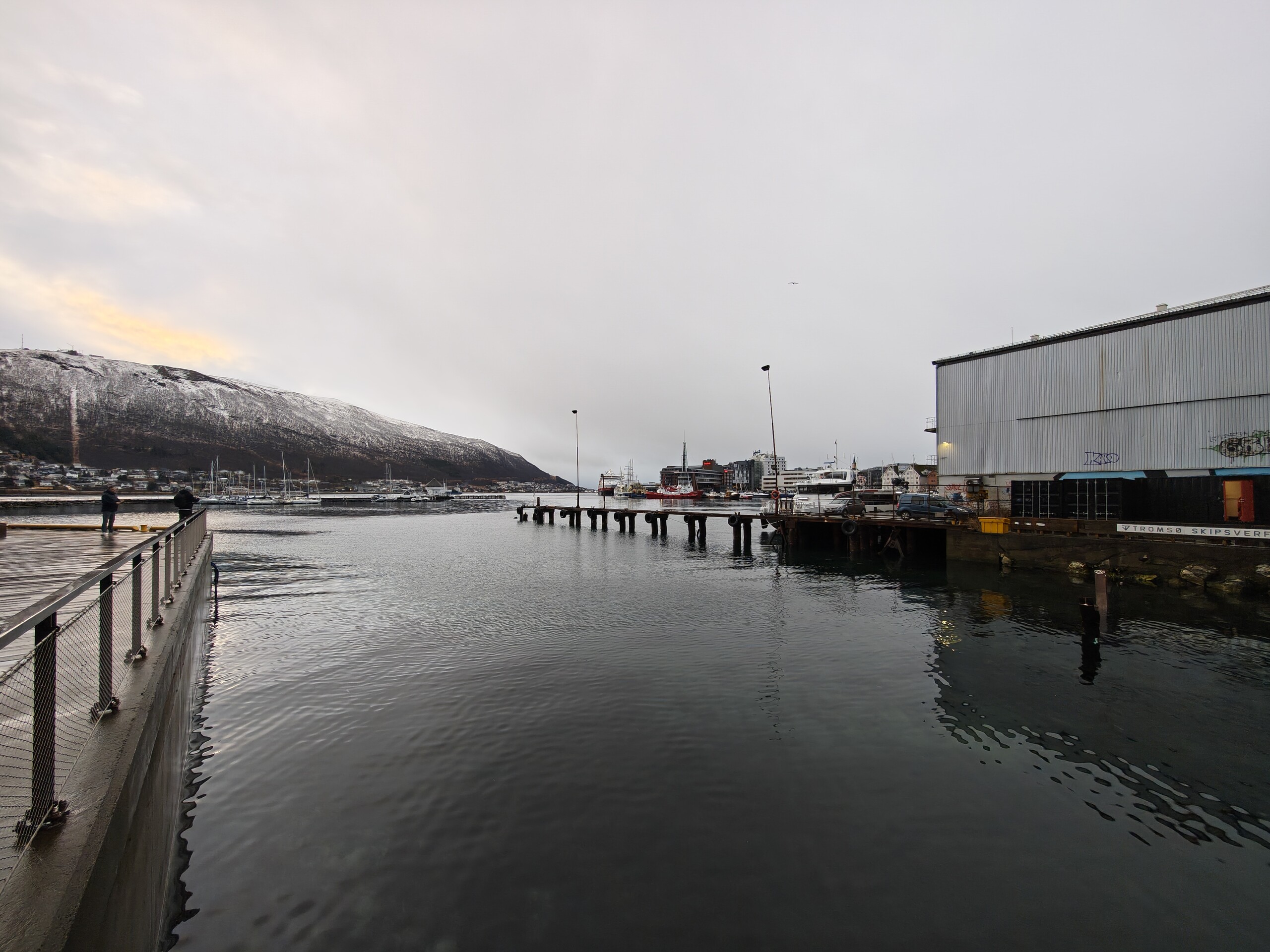
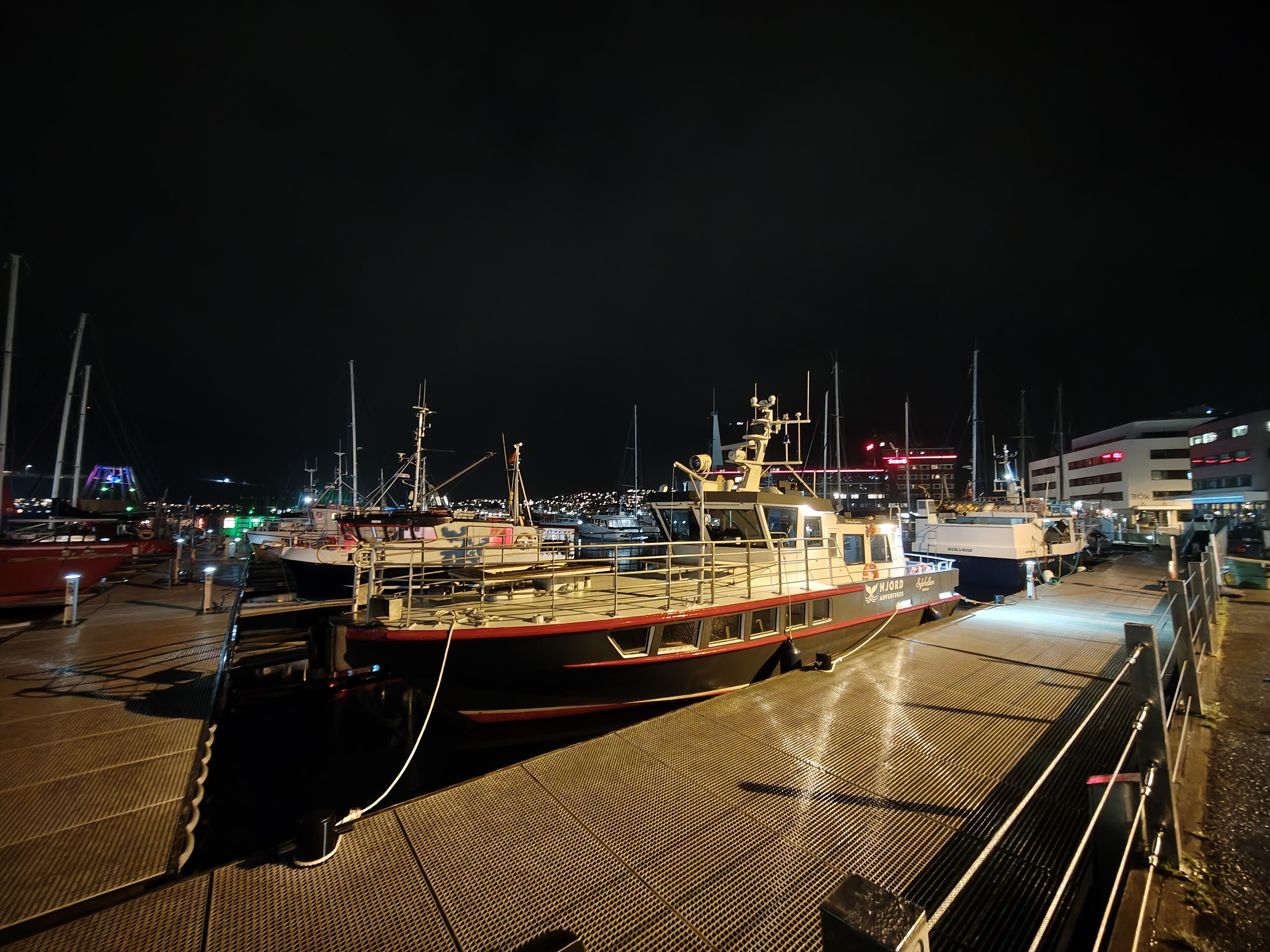




Overall, the Motorola Signature 27's cameras make a good first impression. In daylight, they capture detailed images with largely natural colors and balanced exposure. The telephoto camera also delivers pleasing results, although detail decreases noticeably at higher zoom levels. The ultra-wide-angle camera offers good sharpness and impressive close-up capabilities. In low light, however, weaknesses become apparent across all focal lengths: Noise reduction smooths out fine details, while artificial light sources and vivid colors are sometimes overemphasized. A more detailed analysis of camera quality will follow in our upcoming Motorola Signature 27 review.
 Add as a preferred source on Google


