




Mercedes EQS 2026 with 800 volts and up to 926 km of range – tech update targets long-standing image problem
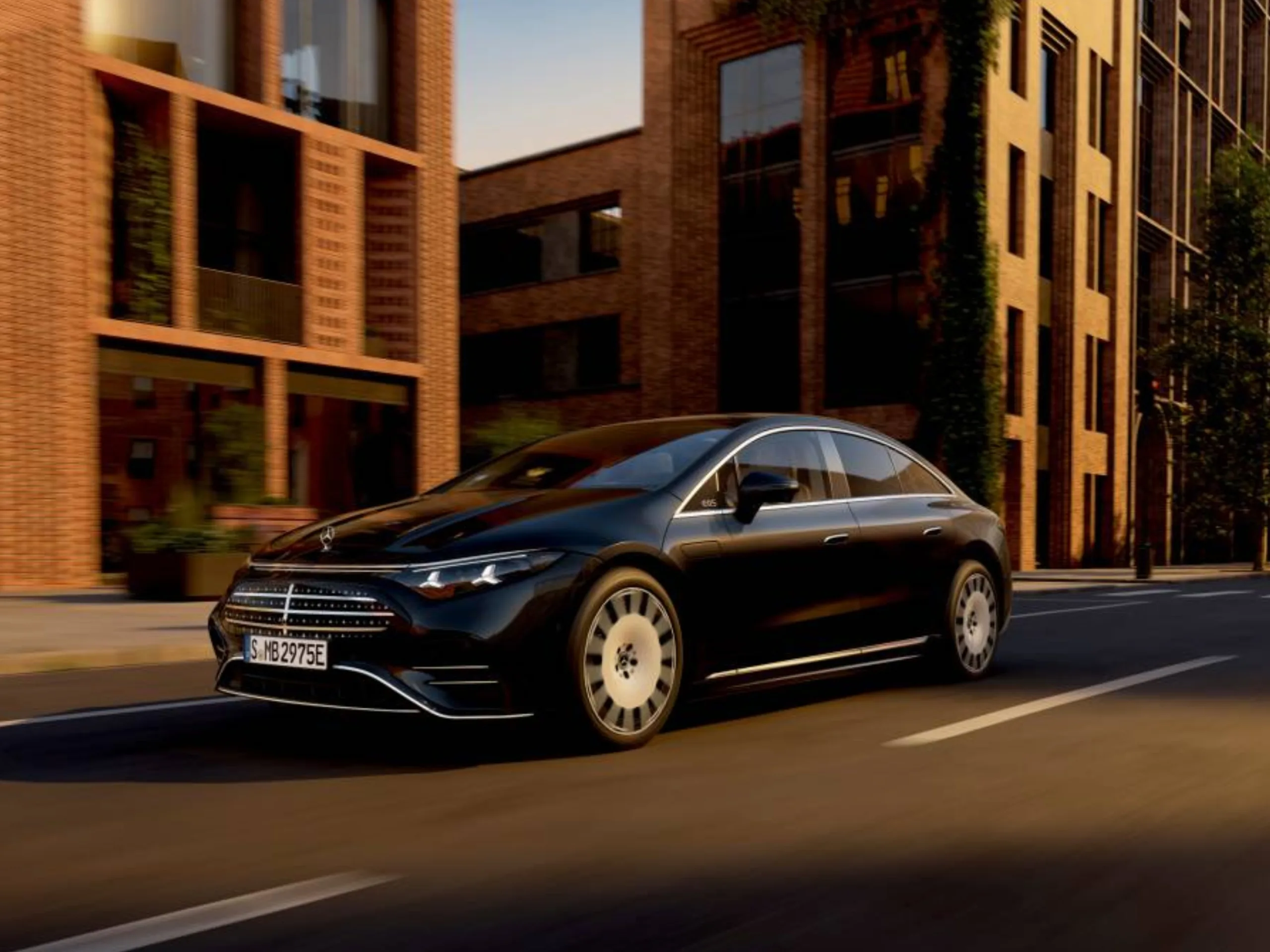
Mercedes is giving the EQS its second major update since 2021. Officially, the company describes it as a smarter, more luxurious and even more efficient electric flagship. The reason is likely clear: despite its advanced technology, the EQS has so far failed to generate the market response Mercedes had hoped for. With this update, the brand appears to be trying to make the model more appealing.
Contrary to what some might expect, however, the main focus is on the technology. Aside from a revised front end and a few smaller design tweaks, the overall look remains largely unchanged. This does not appear to be a full platform change. Mercedes is presenting the new EQS as a facelift, which strongly suggests that the EVA2 platform will remain in use.
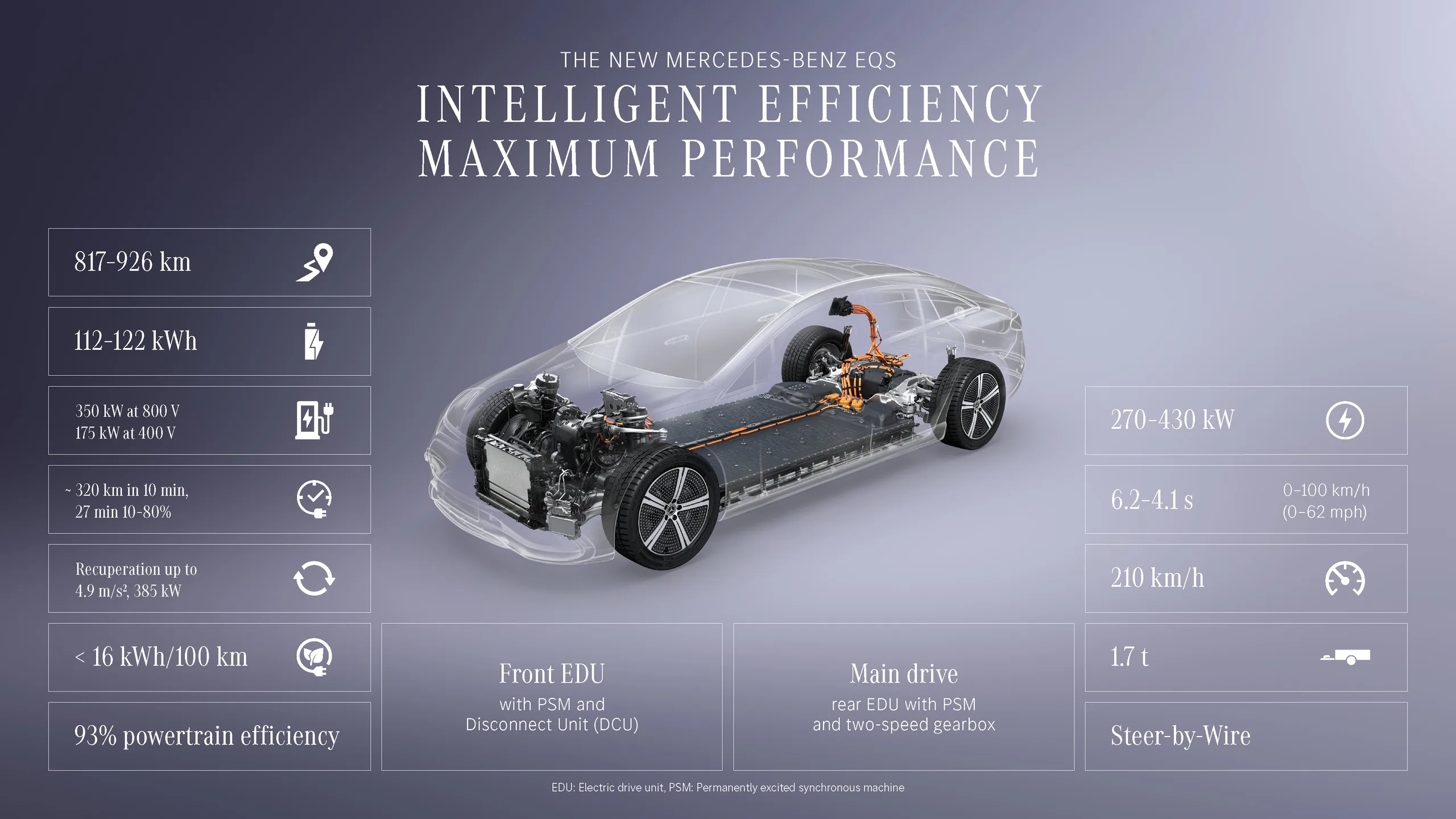
800 volts, 926 kilometers of range
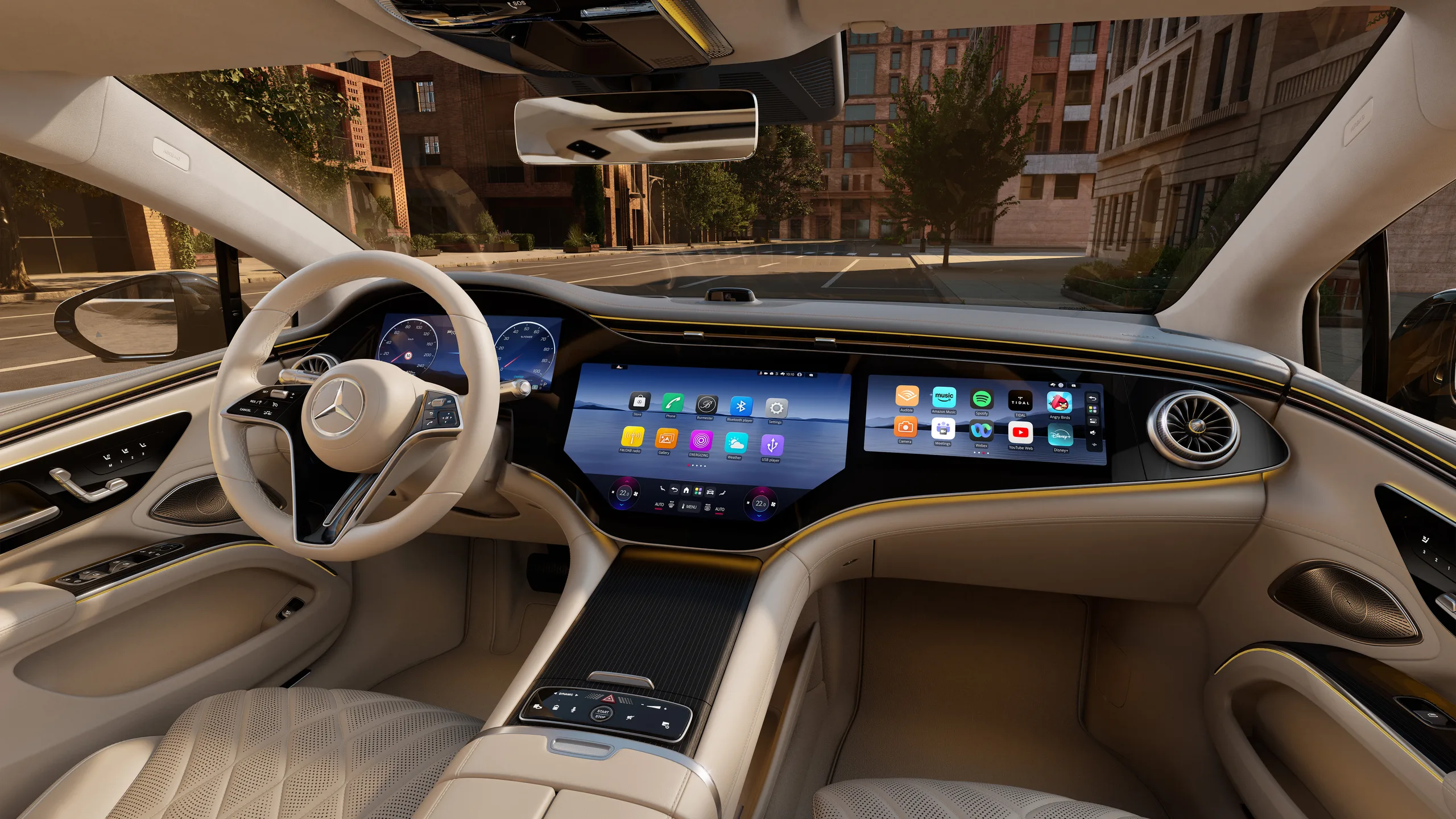
The EQS gets an 800-volt system, new drive units developed in-house, a two-speed gearbox on the rear axle, larger batteries and the MB.OS operating system. For the EQS 450+, Mercedes now promises up to 926 kilometers (roughly 575 miles) of WLTP range. According to the manufacturer, that would be enough to drive from Munich to Paris or from Zurich to Hamburg without stopping to charge. In real-world driving, however, such figures are unlikely to be fully achievable.
Charging performance is also set to improve noticeably. Going forward, the EQS will support up to 350 kW at DC fast chargers, allowing up to 320 kilometers of WLTP range to be added in just 10 minutes. Mercedes also says charging at 400-volt stations will be faster, thanks to a system that effectively splits the battery into two halves so that each side can be charged at up to 175 kW. For most variants, battery capacity also increases to 122 kWh, while the new entry-level EQS 400 starts with 112 kWh.
According to the cited reports, pricing in Germany starts at €94,403 ($110,301) for the EQS 400. The EQS 450+ is listed at €108,635 ($126,930), the EQS 500 4Matic at €123,284 ($144,046) and the EQS 580 4Matic at €134,732 ($157,380). The EQS therefore remains firmly positioned in the luxury segment.
Design largely unchanged
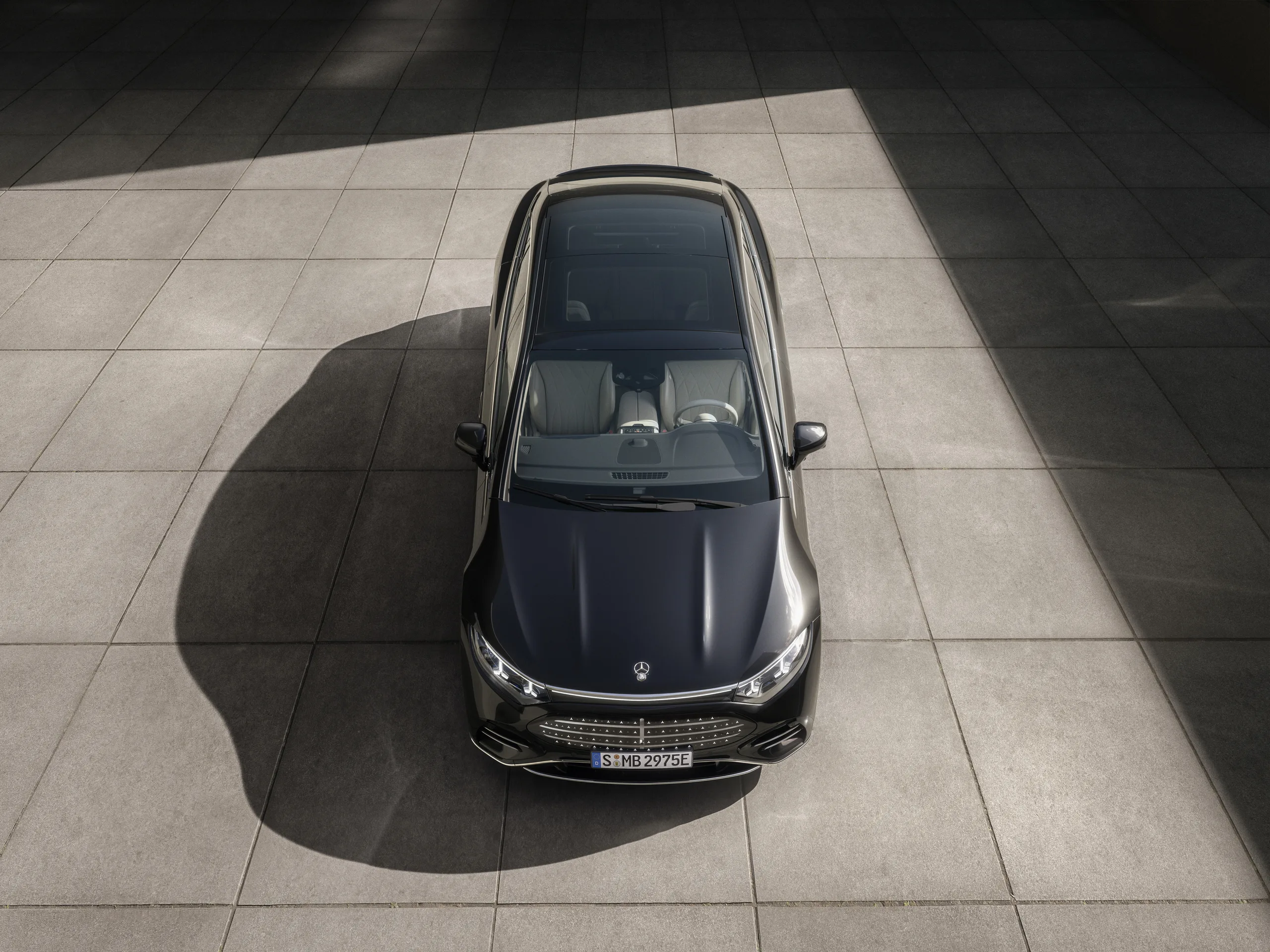
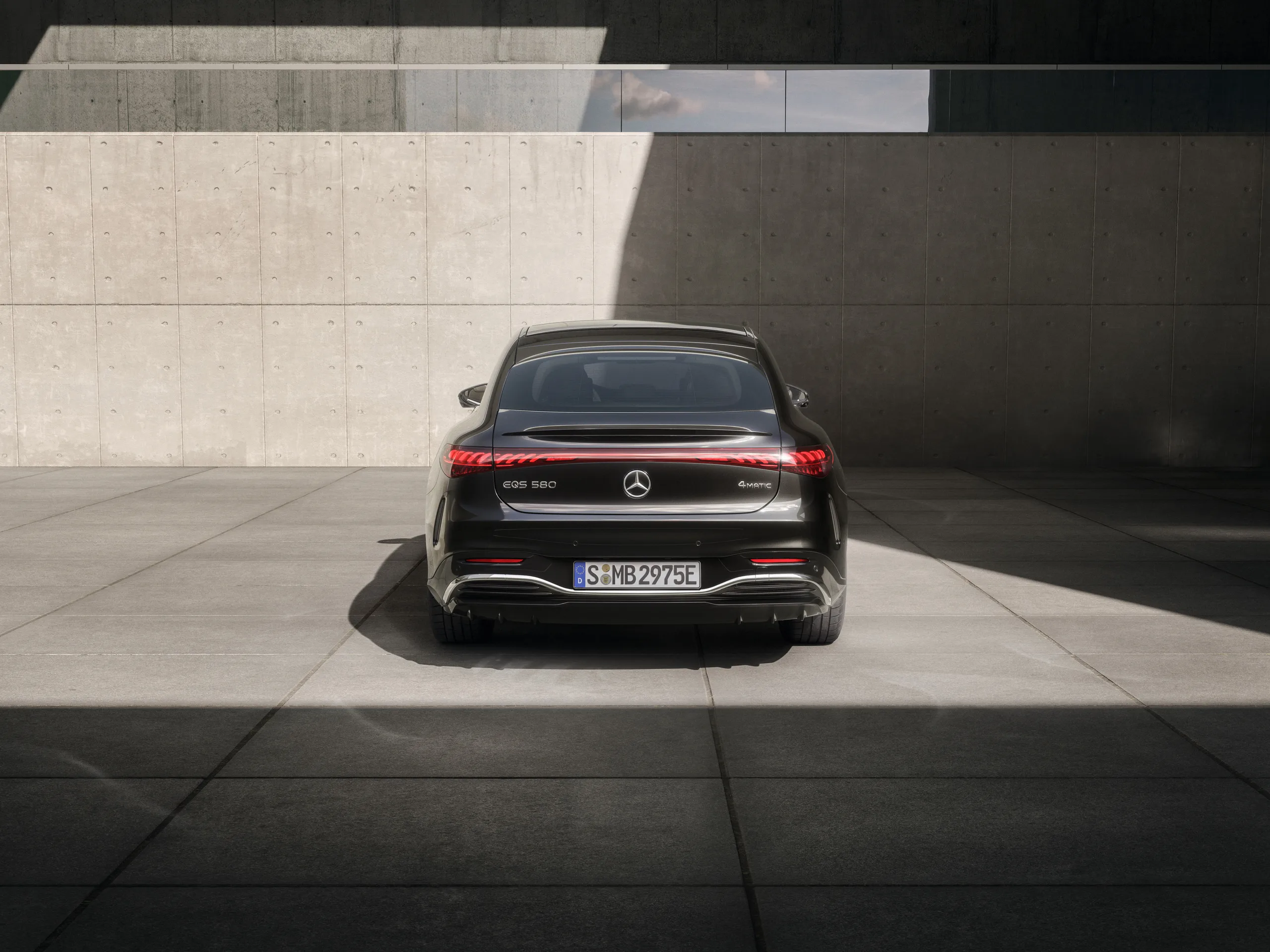
Visually, the facelift is fairly subtle. New details include power domes on the hood, a revised front end with an illuminated star depending on the variant and minor changes at the rear. For many buyers, though, that may remain the main sticking point. Since its debut, the EQS has been praised for its aerodynamics and efficiency, but its rounded shape has often kept it from being seen as a convincing electric counterpart to the S-Class.
Quite simply, many people never warmed to the design, which is one reason why the electric sedan has so far fallen short of expectations. Early community reactions appear to support that impression. On Reddit, users are praising the technical improvements, but reactions to the design are still largely mocking. Whether the new EQS will be able to position itself more successfully in the market thanks to its upgraded technology remains to be seen.
Source(s)
 Add as a preferred source on Google


