


Leica unveils fully mechanical M-A and full-frame M11-P as Hammertone Special Editions
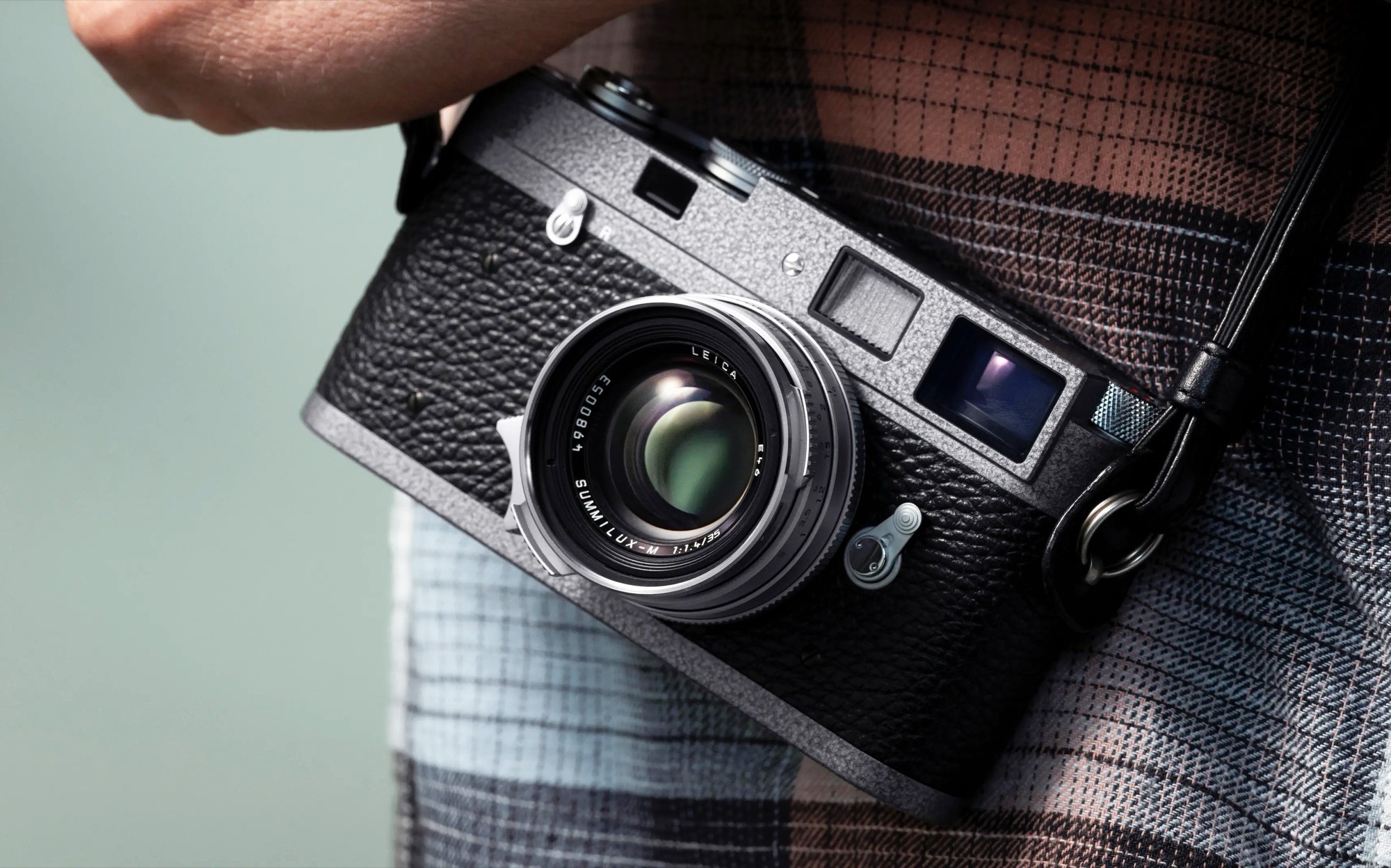
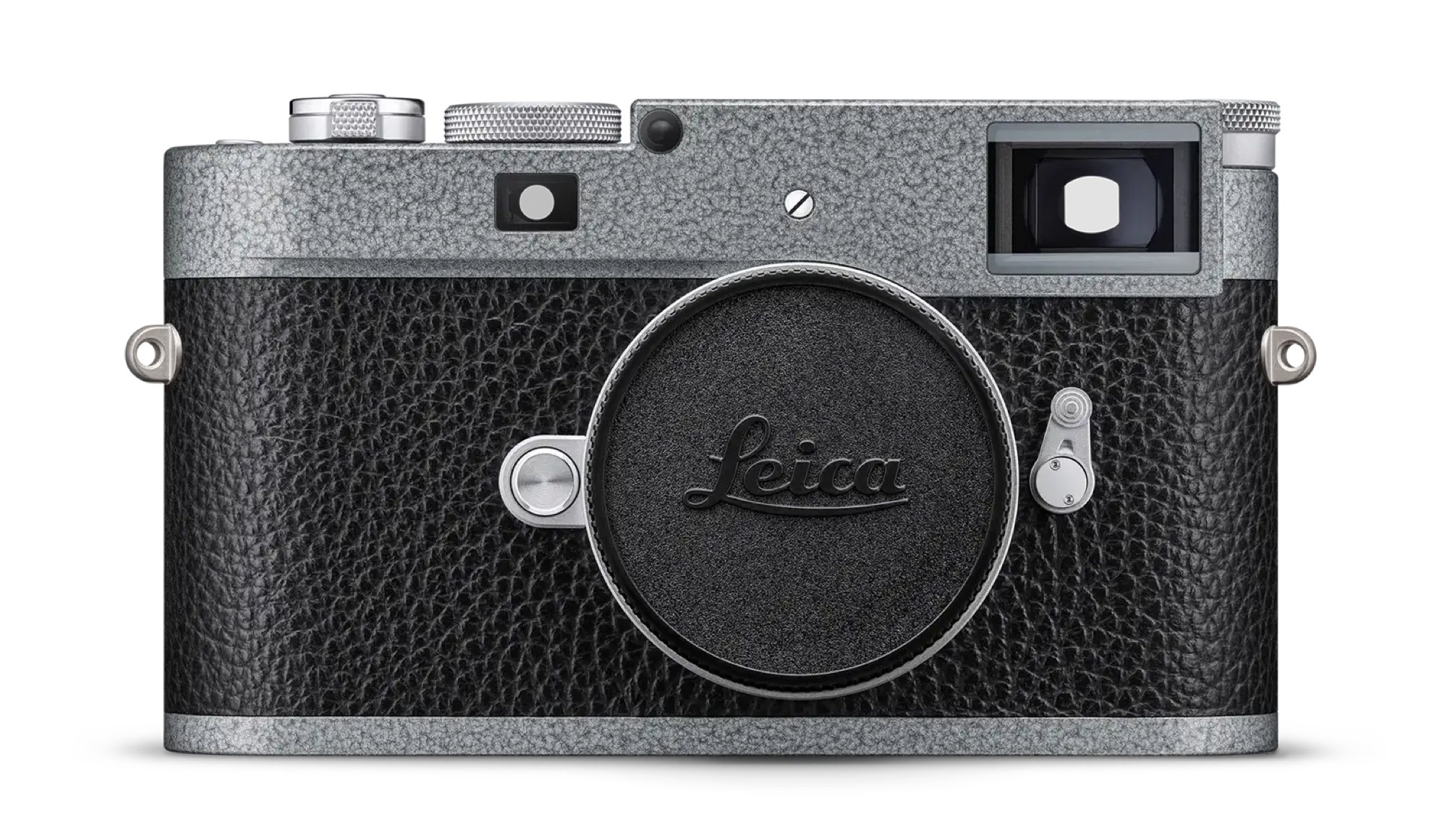
Leica has been releasing cameras with a hammertone finish at irregular intervals since the 1930s. Now, the camera manufacturer from Wetzlar is bringing this finish to the only fully mechanical camera still in production and to its current top-of-the-line digital rangefinder camera.
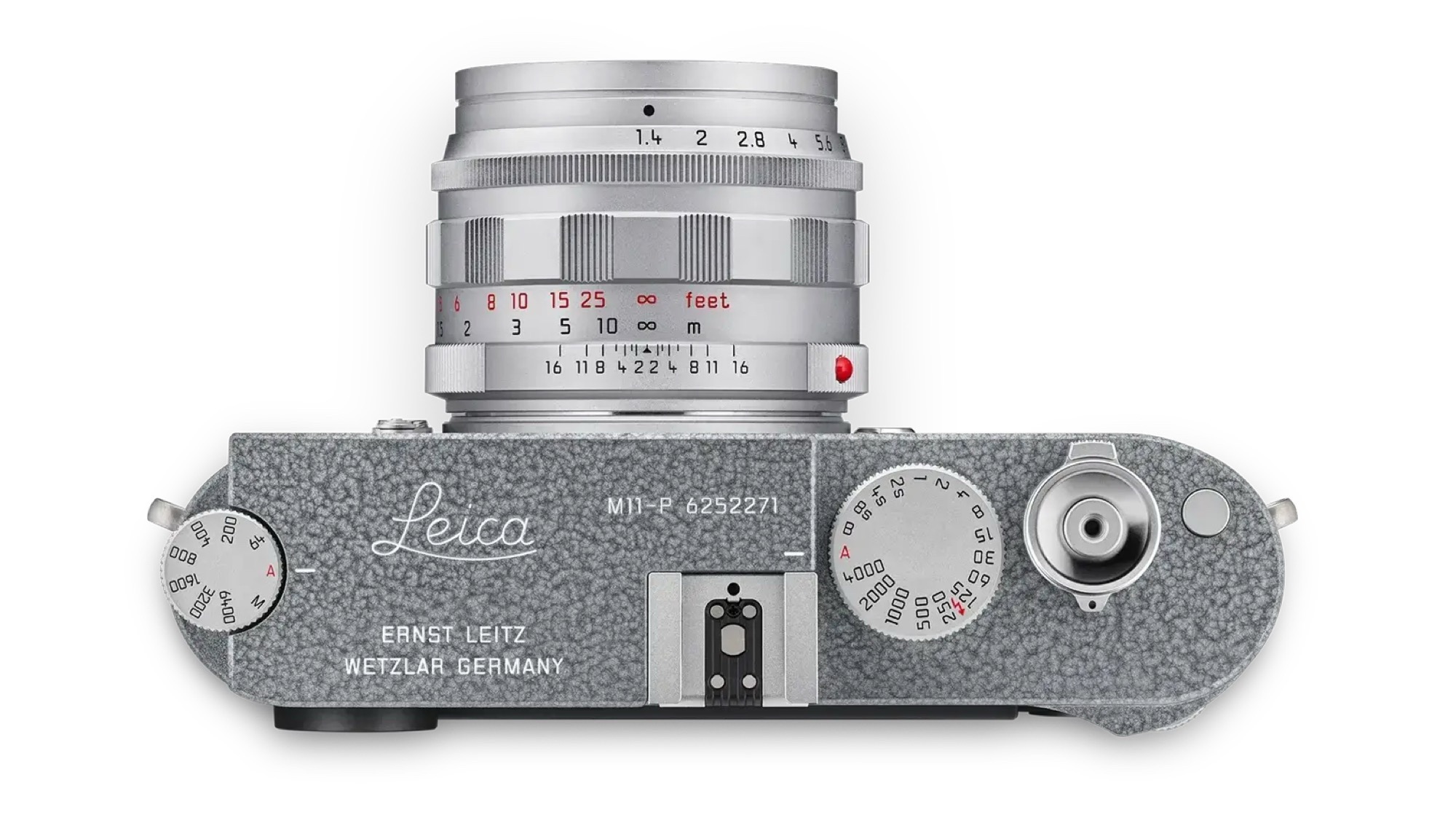
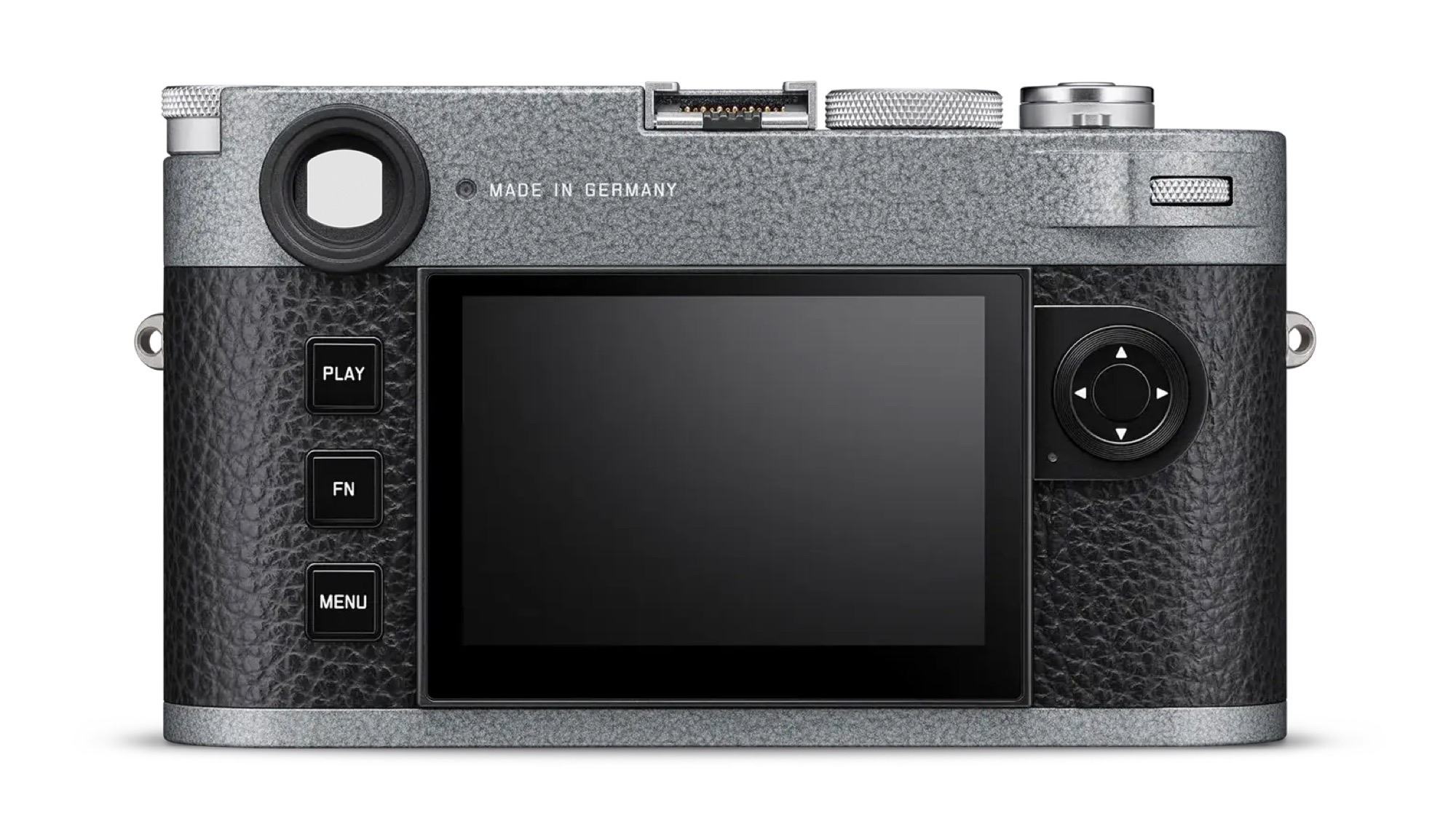
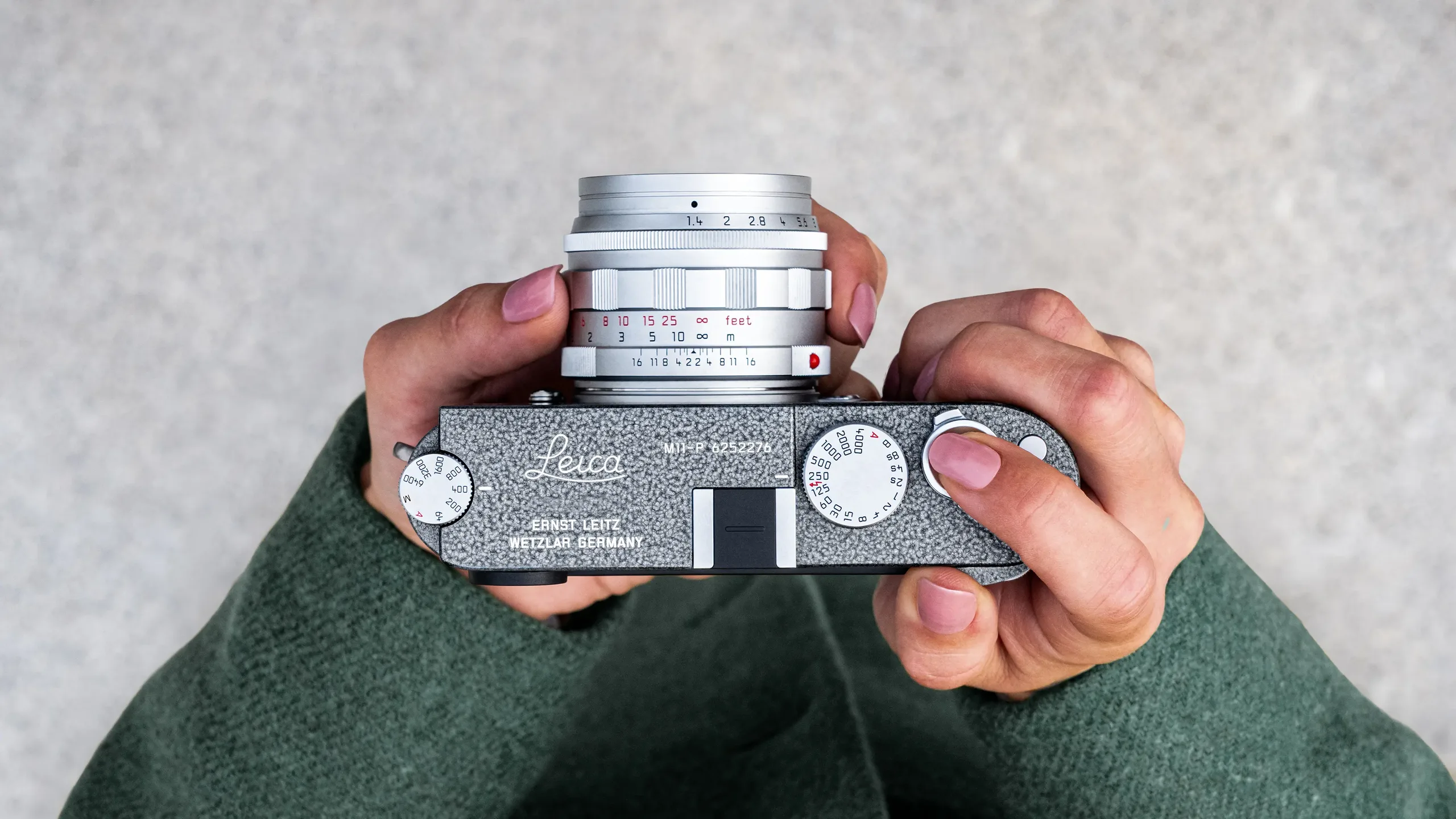
The special editions of both cameras combine a silver brass body with black leatherette. The textured hammertone surface is created by adding metallic pigments and additives that produce variations in surface tension during the drying process. On the M11-P, Leica also gives the screw on the front and the edges at the top and bottom of the body a matching finish. The specifications, however, remain unchanged.
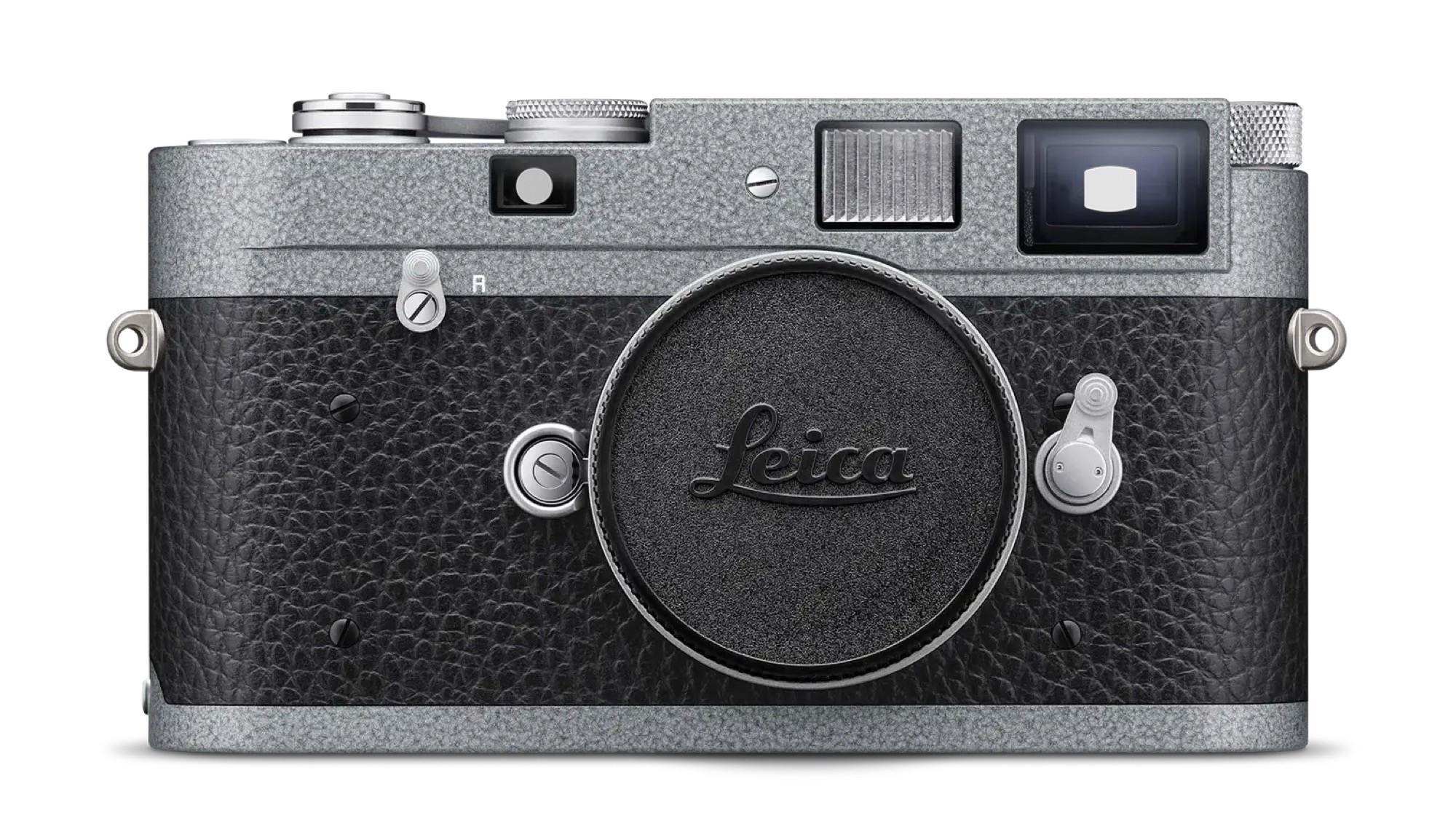
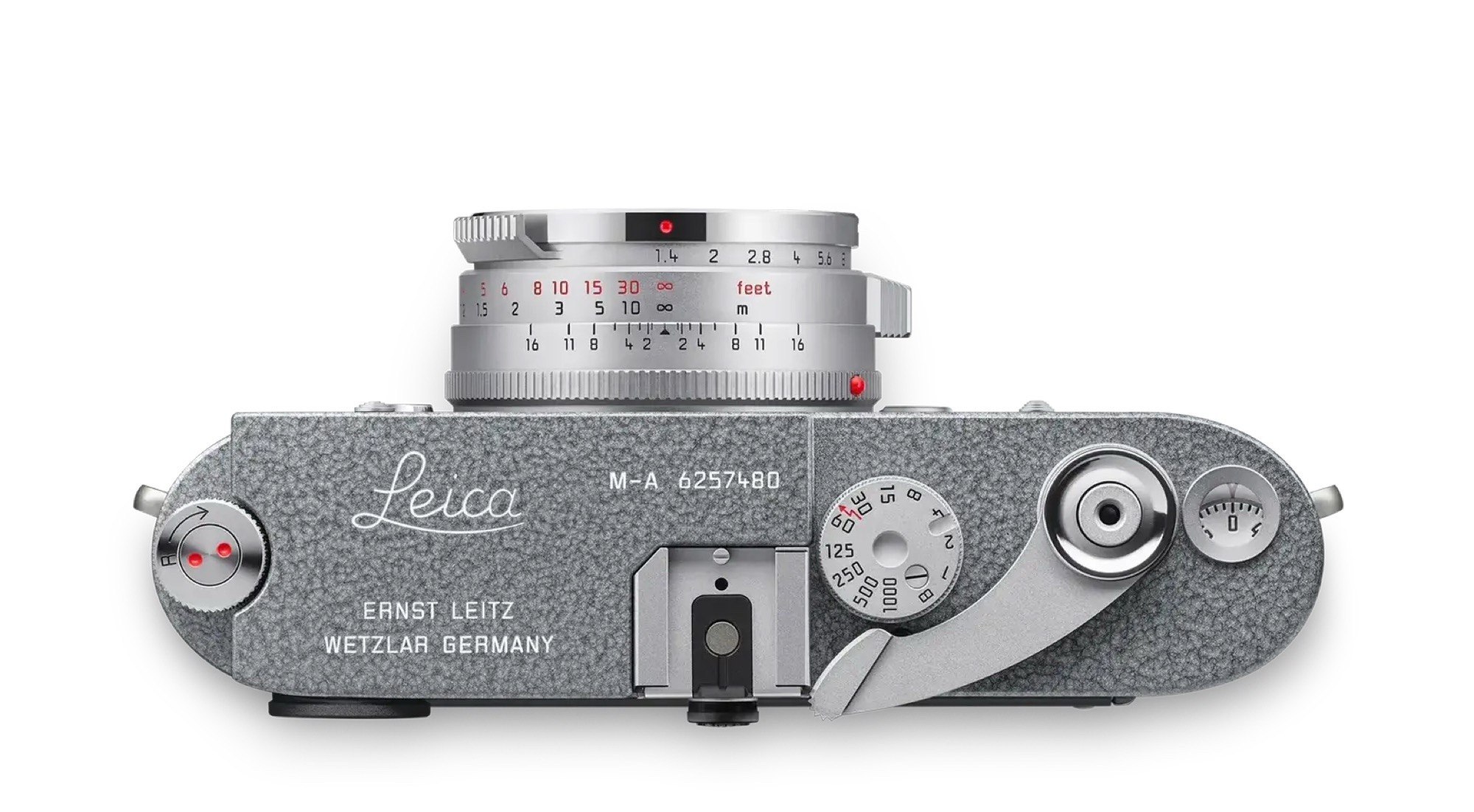
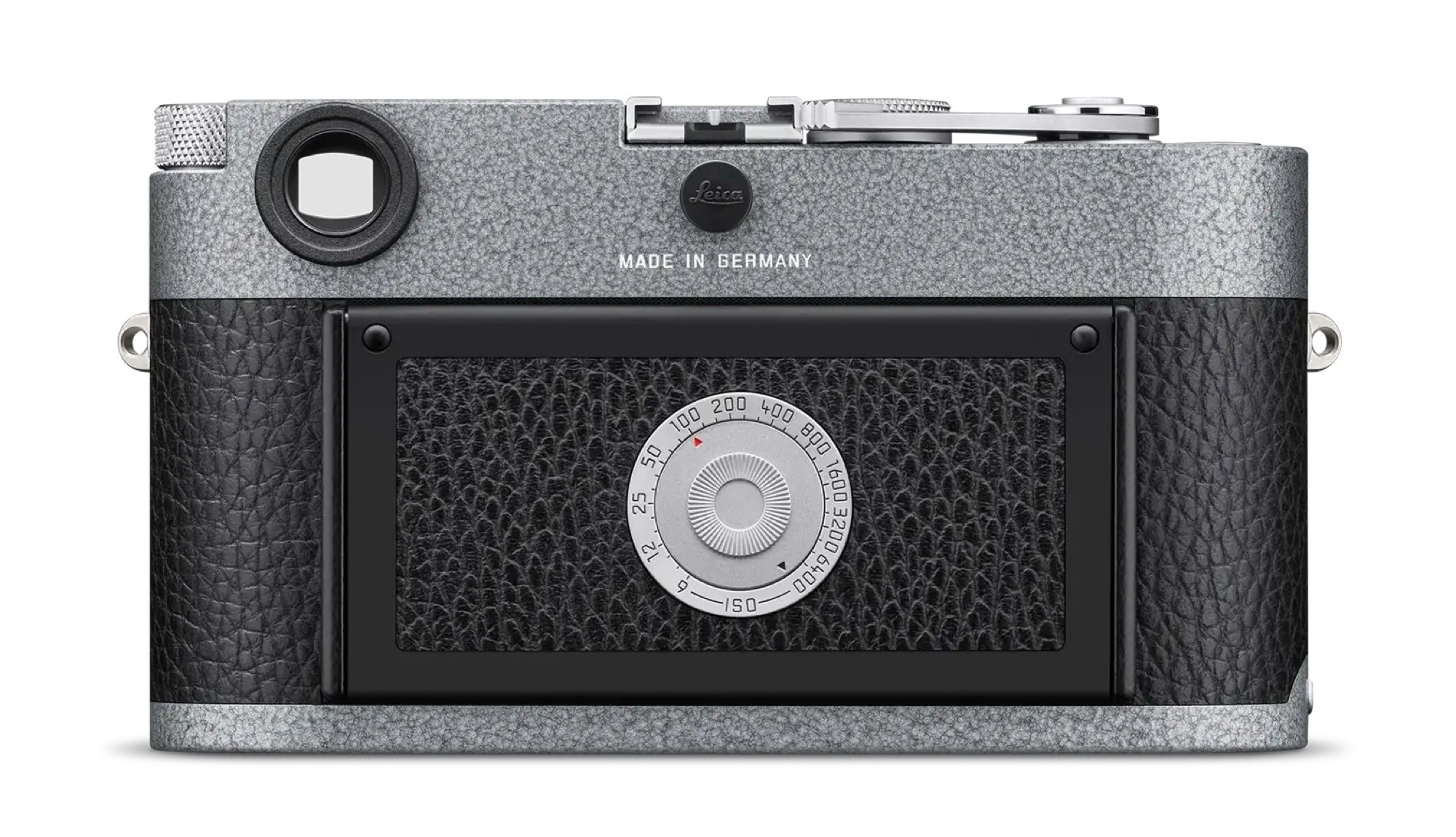
The Leica M-A is the only fully mechanical camera that Leica currently offers. Unlike the Leica M-P or the Leica M6, the M-A has no light meter, but it also requires no battery at all. The ISO dial on the back merely indicates which film has been loaded. The shutter speed is set using a dedicated dial on the top, while the aperture and focus are adjusted on the lens. Modern convenience features are nowhere to be found on the Leica M-A.
The Leica M11-P, by comparison, offers decidedly modern features. This model also lacks autofocus, but its 60-megapixel full-frame sensor supports Live View, both on the touchscreen and on a separately available EVF. The camera offers 256 GB of internal storage in addition to the SD card slot, wireless connectivity to a smartphone app, and both a mechanical and an electronic shutter for shutter speeds of up to 1/16,000s.
Pricing and availability
The Leica M-A and the Leica M11-P Hammertone are available now. The analog Leica M-A Hammertone is offered for $8,000, while the Leica M11-P Hammertone costs$10,950.
Source(s)
 Add as a preferred source on Google


