




It may soon be impossible to crash in a Tesla with new ACE FSD update
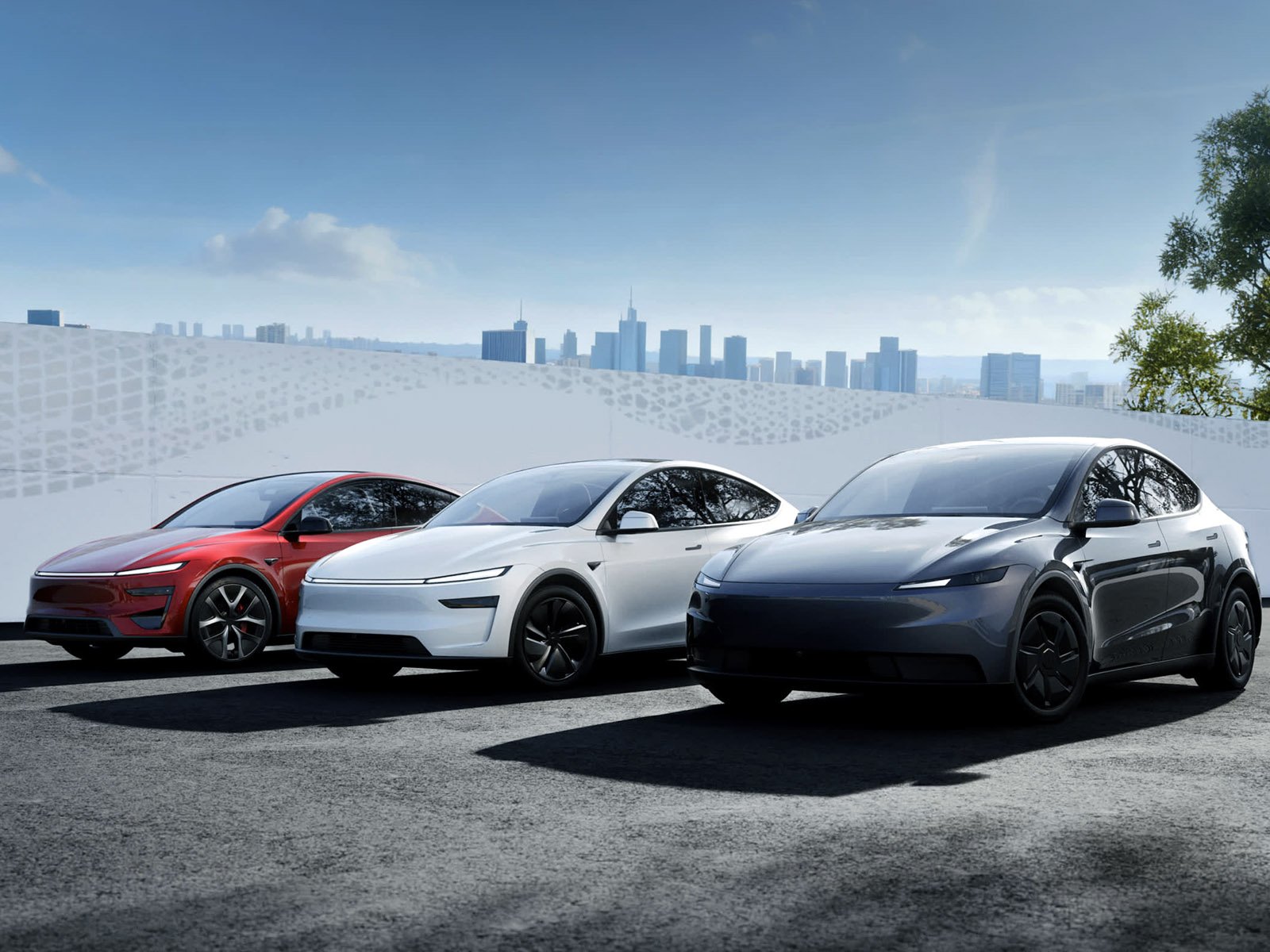
Tesla has started rolling out the latest FSD Supervised V14.3.9 update with features like smarter summon and new driving profiles. The kicker among all the autonomous driving innovations in the new update, however, is called Automatic Collision Evasion, and it seems to mark a genuine shift in how Tesla thinks about active safety.
Until now, Automatic Emergency Braking (AEB) has been Tesla's last line of defense, and it works the same way it has been mandated across the industry. Tesla's AEB detects the obstacle that may lead to a collision at the current speed and trajectory, warns the driver, and slams on the brakes all on its own if nobody reacts in time. AEB has been around in some form since the early 2000s, but it only became a widespread fixture after NHTSA finalized FMVSS 127 in 2024, requiring every new passenger car and light truck sold in the US to include it by September 2029, pedestrian detection included.
What is Tesla's Automatic Collision Evasion
The new Automatic Collision Evasion (ACE) option in FSD V14.3.9, however, goes way further. Tesla says it can activate FSD on a driver's behalf, even during manual driving, when a frontal collision looks imminent and braking alone won't be enough. A Model 3 or Model Y can now steer, brake, and accelerate on its own to dodge the hazard under the right conditions. The requirements are that the vehicle is on divided highways, the speed is below 85 mph, there is a functioning steering system, and no pedestrians or cyclists are nearby. ACE can also step in if it senses the driver is dangerously distracted or may have disengaged FSD by accident:
Automatic Collision Evasion activates Full Self-Driving (Supervised) to try to keep your vehicle safe and then continue driving. It can engage while you are driving manually and detects that you are not sufficiently attentive to the road (for example, reaching toward the back seat), or that Full Self-Driving (Supervised) may have been unintentionally disengaged.
Tesla frames that as rather a last resort, not a substitute for an attentive driver, which is important given its history with unwanted braking events. Phantom braking complaints piled up for years, peaking at hundreds of NHTSA reports tied to Autopilot and Traffic Aware Cruise Control misreading the road and slamming the brakes for no real reason.
That investigation only closed this past July, after incident reports fell to a handful thanks to Tesla's shift to vision-only sensing and several firmware fixes. Handing FSD more authority to intervene during manual driving may invite the false positive issue again, and the early access FSD V14.3.9 rollout should make that clear soon enough.
 Add as a preferred source on Google


