


GTA 6's billion-dollar budget splits Deus Ex, Baldur's Gate 3, and Alan Wake 2 veterans after its record-tying 99 Metascore
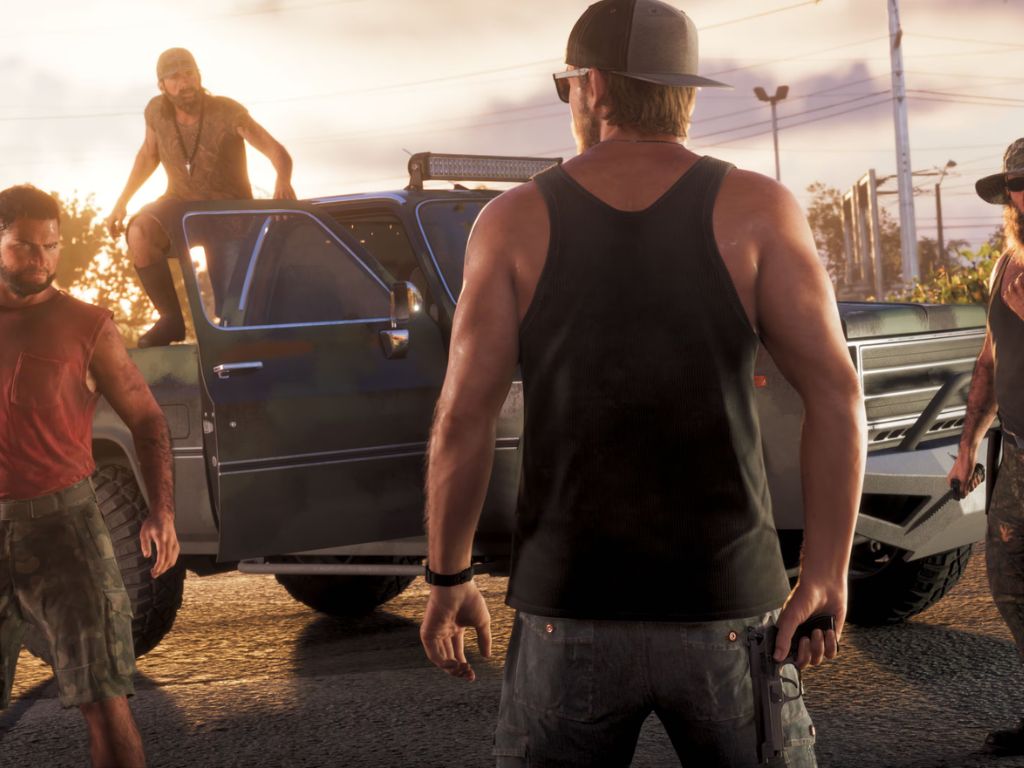
Rockstar's Grand Theft Auto VI (GTA 6) has launched with a staggering 99 on Metacritic, tying The Legend of Zelda: Ocarina of Time for the highest Metascore the site has ever recorded. However, veteran developers disagree about what the game's success means for the rest of the industry. Retired Deus Ex creator Warren Spector, Larian Studios publishing director Michael Douse, and Kyle Rowley, game director of Alan Wake 2, have all weighed in with sharply different takes.
Spector questioned whether GTA 6's reported billion-dollar budget is a model anyone should follow, arguing that the same money could pay for many more games and salaries. Douse countered that a rare shared cultural moment still leaves plenty of room for smaller games to flourish. Rowley, meanwhile, took aim at Spector's claim that important games never ship on time or on budget, calling it "an awful message" for aspiring developers.
Warren Spector says GTA 6's budget is not a model to emulate
In a LinkedIn post, Spector, who retired from game development in August, first congratulated everyone who worked on GTA 6. He then argued that its billion-dollar development cost and "undoubtedly crazy" marketing budget don't represent a business model other studios can, or should, copy, especially while thousands of developers are out of work.
"A billion dollars pays for a lot of games and a lot of salaries. Personally I'd rather have hundreds of games and full employment than one game no matter how amazing it is," Spector wrote.
He added that the game's success proves a point he has been making for years: "No game that matters ships on time and/or on budget." Spector pointed again to the billion-dollar figure and noted that GTA 6 arrived at least a year after its original ship date. He signed off by saying he hopes GTA 6 "is the last of its kind even if it's the best we have to offer."
The budget figure remains an estimate, as Take-Two has never disclosed what GTA 6 cost to develop, and public estimates range from $1 billion to $2 billion. The timeline is on firmer ground, since Rockstar originally targeted fall 2025 before delaying the game twice, first to May 26, 2026, and then to November 19, 2026.
Michael Douse argues that not every game needs to be GTA
Douse took a more optimistic view in a post on X responding to Spector's comments. He suggested that "in a world that often feels like it's going to sh*t," there is real value in a release that gives every audience and every generation the same excitement around something "genuinely brilliant."
"Not every game needs to be GTA, and that both makes space for other types of experiences," Douse wrote, adding that this also makes rare moments like this one feel even more special.
Kyle Rowley warns that the "no game ships on time" mantra undermines the business case
Rowley, who served as game director on Alan Wake 2 at Remedy Entertainment, took issue with a narrower point in Spector's post. Responding on LinkedIn, he argued that the attitude behind it quickly becomes self-fulfilling:
"If your attitude is that no game that matters ever ships on time or on budget, you're never going to make anything that does, and your budgets are going to spiral because no one will respect the business case. I think it's an awful message to spread to anyone wanting to make games, to be honest."
Rowley added that his objection had nothing to do with output: "My point is not about how many games are shipped; it's about you sending a message that you shouldn't respect the business case because no game that does is relevant."
Where the three views overlap
The three positions overlap more than the exchange suggests. Spector's fuller post also warns that underfunding a game or forcing it out before it is ready guarantees failure, so his complaint is about scale rather than investment itself. Rowley's concern is that treating overruns as inevitable gives studios permission to stop managing them, while Douse sidesteps budgets entirely and argues that blockbusters and smaller games can thrive side by side.
Source(s)
 Add as a preferred source on Google


