


Ford challenges BYD: 30% more efficient EV platform
Ford is developing a Universal Electric Vehicle architecture to significantly boost efficiency across its future lineup. The strategic push addresses aggressive pricing pressure from global rivals in the electric vehicle sector.
Key Facts:
- New electric powertrain exceeds BYD efficiency metrics by approximately 30 percent
- Smaller battery integration reduces total vehicle weight while cutting production costs
- European manufacturing operations leverage a strategic joint venture with Geely in Spain
Engineered architecture for enhanced powertrain efficiency
At the core of the UEV platform lies a newly integrated drive unit combining the electric motor, inverter, and gearbox into a unified assembly. This compact configuration minimizes thermal energy loss during power delivery. According to CEO Jim Farley, this technical advancement enables cost-effective electric vehicles without compromising driving range.
Current electric portfolio in European markets
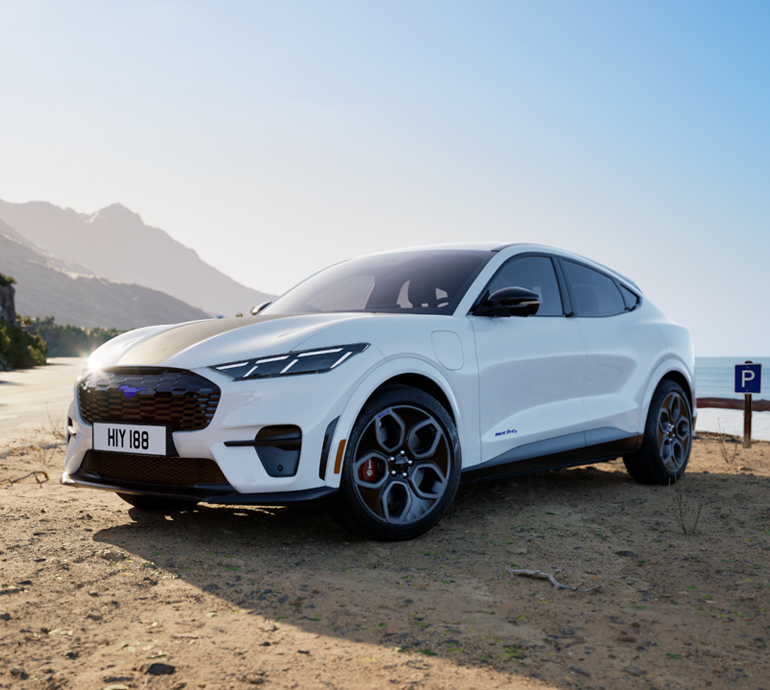
The American automaker presently serves European buyers through dedicated electric crossovers and SUVs. The current lineup features the sporty Mustang Mach-E, the revived Capri crossover, and the compact Puma Gen-E. Integrating the UEV architecture will complement these existing vehicles to strengthen margins in volume segments.
Strategic alliances and manufacturing expansion
Improved powertrain efficiency permits smaller battery packs, directly reducing raw material expenses during assembly. To optimize footprint costs in Europe, the automaker is establishing a joint venture with Geely at its Valencia plant starting in 2028. This joint effort aims to deliver manufacturing synergies against Asian market competitors.
Source(s)
Insideev, Ford, Fordfromtheroad Image source: Ford
 Add as a preferred source on Google


