




Chūō Shinkansen: Japan's maglev railway is ready to be built
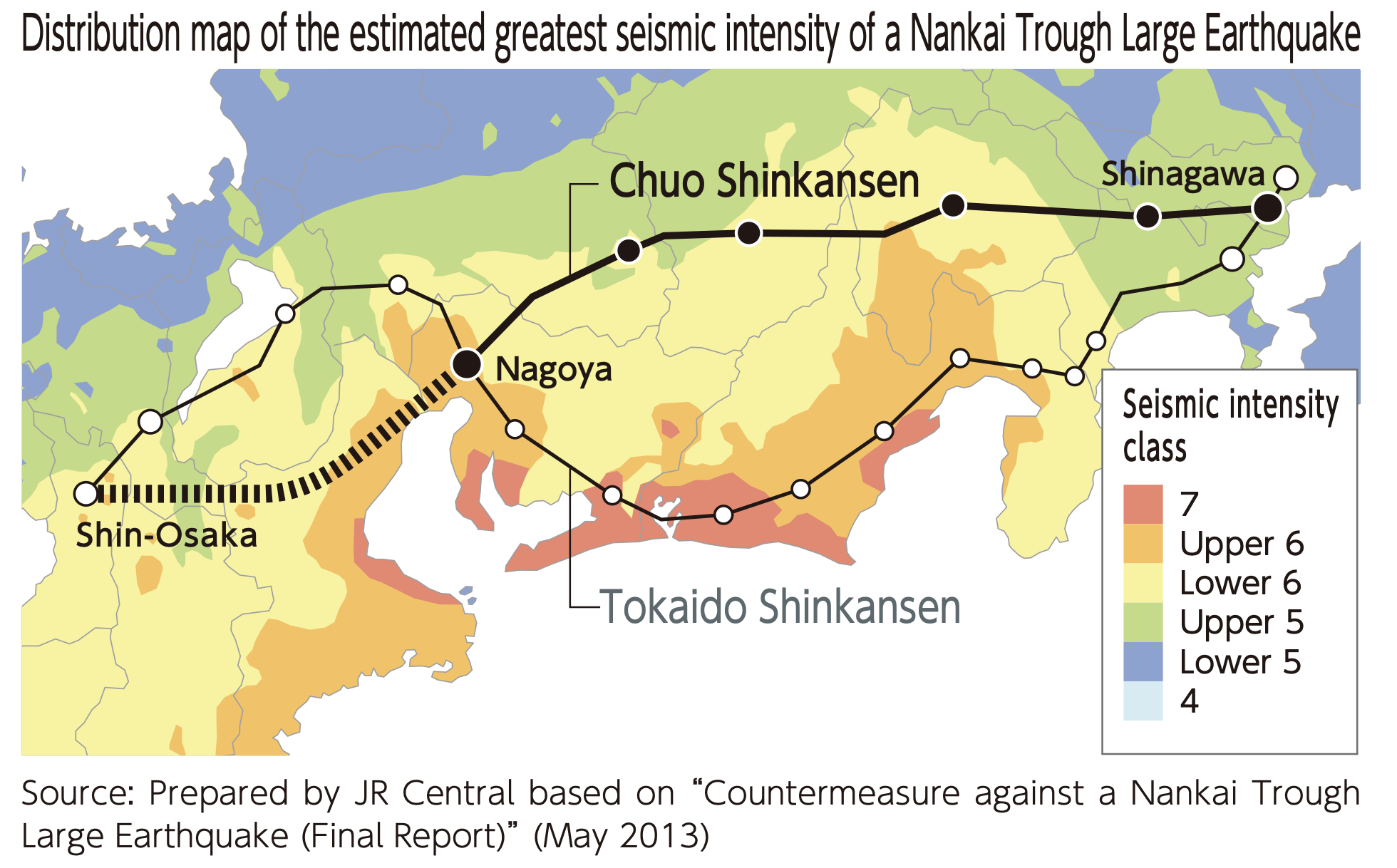
What is likely to become the world's first high-speed maglev line for intercity service can now move forward. According to Japanese public broadcaster NHK World, the Linear Chūō Shinkansen has cleared a major hurdle. For years, the section around Shizuoka, roughly halfway between Nagoya and Shinagawa Station in Tokyo, has been the subject of a dispute over the potential environmental impact of the extensive tunneling work.
Much of the Chūō Shinkansen route will run through tunnels, with trains expected to travel between the two cities at up to 311 mph. However, construction near the Ōi River raised concerns that the river could lose too much water. The dispute made it impossible for the new high-speed line to open in 2027 as originally planned.
Construction can now begin, as operator JR Central has agreed to give greater consideration to the Ōi River. However, concerns remain in the region, and JR Central's construction work is likely to be closely monitored.
Ten years of construction
According to NHK, construction around Shizuoka will probably take more than ten years. If everything goes well, Japan's maglev line could therefore open in 2037. It is currently the only project of its kind worldwide. China is working to improve Transrapid technology with the aim of reaching 373 mph. The country currently operates the Transrapid only for local transportation. China also has several other local maglev systems in service.
Based on the current situation, Japan is likely to retain the lead in high-speed maglev rail. However, the gap over conventional wheel-on-rail technology may soon become relatively small. China aims to increase speeds with that technology to roughly 250 mph, possibly later this year.
The Chūō Shinkansen is expected to reduce the travel time between Tokyo and Nagoya to about 40 minutes. A later expansion phase will extend the line to Osaka in the Kansai region, with an intermediate stop in Nara, where advertisements for the new train can already be seen around JR Nara Station. The fastest journey between Shinagawa Station in Tokyo and Osaka is expected to take 67 minutes. As is common in Japan, there will also be local Chūō Shinkansen services that stop more frequently.
For comparison, Japan's Nozomi Shinkansen, the fastest service type, takes about two hours and 15 minutes for the same journey. Despite the Shinkansen, air traffic on the route remains busy, particularly between the centrally located Haneda and Itami airports. Many passengers on these flights are also traveling point to point rather than connecting. Flights are also available between other airports serving the two cities.
According to NHK World, the current project is expected to cost about $68 billion. Japan also hopes the new line will free up capacity for slower regional Shinkansen services on the conventional route, which has been operating at its limits for some time. At peak periods, Shinkansen trains depart Tokyo toward Osaka as often as every five minutes.

Source(s)
NHK World
 Add as a preferred source on Google


