




Cheaper LG battery uses Mn for 400-mile GM trucks
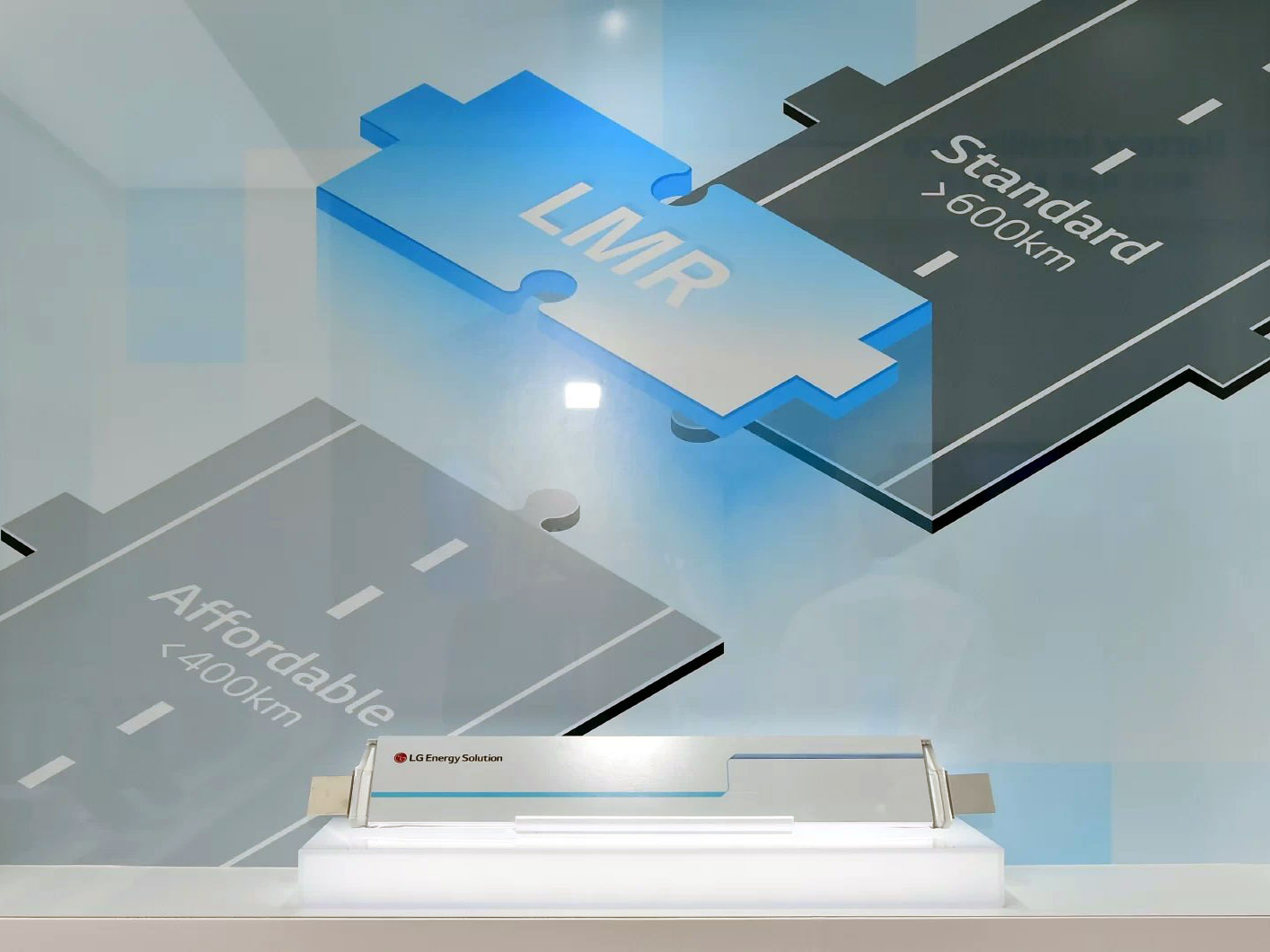
Lithium manganese (LMR) batteries have long been pitched as the next big thing for EVs, including by Elon Musk. Without nickel or cobalt but with cheap and abundant manganese instead, their energy density can rival that of the expensive cells put in long-range or performance electric vehicles.
The issue with the LMR battery chemistry, however, has always been stability. LMR cathodes tend to generate gas during charging cycles. This is a manageable nuisance in a small unit like the Duracell manganese AA batteries that go for under a dollar on Amazon, but a serious problem for big cells of the type that go in actual electric trucks or SUVs.
LG Energy Solution, working with Professor Jongwoo Lim's team at Seoul National University's Department of Chemistry, says it has now pinned down exactly why that happens and fixed it. According to the joint study, the gas buildup traces back to oxygen inside the cathode that gets oxidized during charging but fails to fully return to its original state during discharge, which can damage the cell's internal structure.
The fix turned out to be almost entirely about voltage management. Lowering the upper charging voltage from 4.6V to 4.3V pushed the reduction rate of oxidized oxygen up from 86 percent to 97 percent, and dropping the discharge cutoff from 3.0V to 2.0V let the oxygen recover almost completely.
LG Energy Solution then redesigned the operating voltage window and lowered the temperature during the cell's formation process, thus suppressing undesirable gas generation in a set of big 40 Ah cells. With these voltage and thermal management improvements, the lithium manganese pack retained more than 92% of its initial capacity even after 883 charge and discharge cycles.
The number means that LMR chemistry can hold up at an automotive scale of manufacturing rather than just sit as a proof of concept in the lab, so LG submitted its findings as a peer-reviewed innovation in Nature Communications. The company is already committed to LMR at the manufacturing level, as it partnered with GM to bring prismatic LMR cells to its future electric trucks and SUVs by 2030.
Source(s)
 Add as a preferred source on Google


