




Bambu Lab X2D in detail: Dual nozzle halves printing time and drastically reduces waste
In our detailed review of the Bambu Lab X2D, we already discussed the tool head made up of two individual nozzles; here we want to put that concept back into the broader context of 3D printing. Essentially, we are talking about multi‑filament printing - printing different colours or filament types in a single run. Cheaper printers also offer this capability. The basic principle is straightforward: The filament is cut, the outgoing filament is pulled out of the tube feeders by a filament dryer with a feed function, and a new filament is pushed into the extruder. At this point we need a short detour into the general operation of 3D printers. We’ll keep it deliberately accessible and somewhat model-like rather than technically exhaustive.
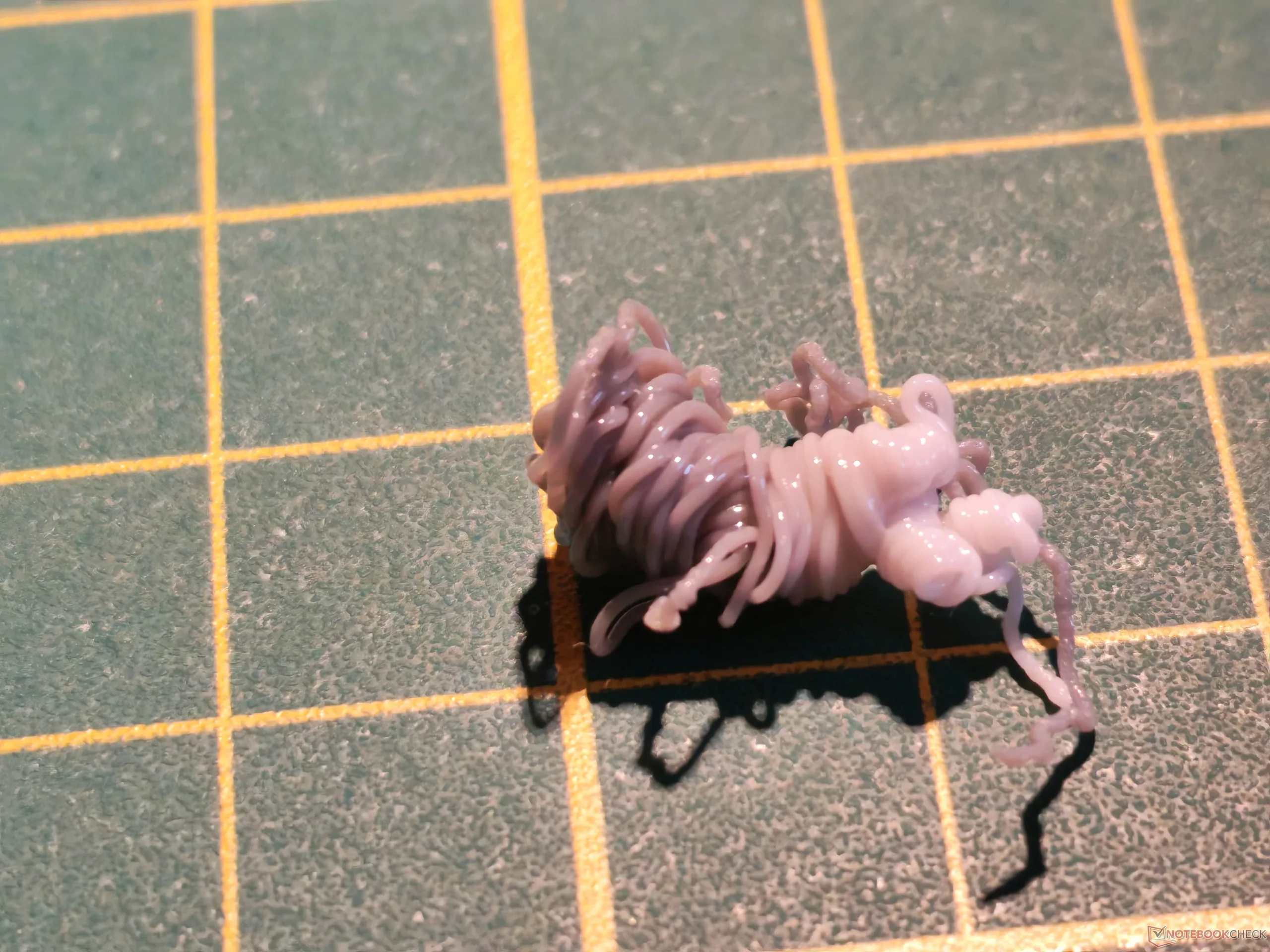
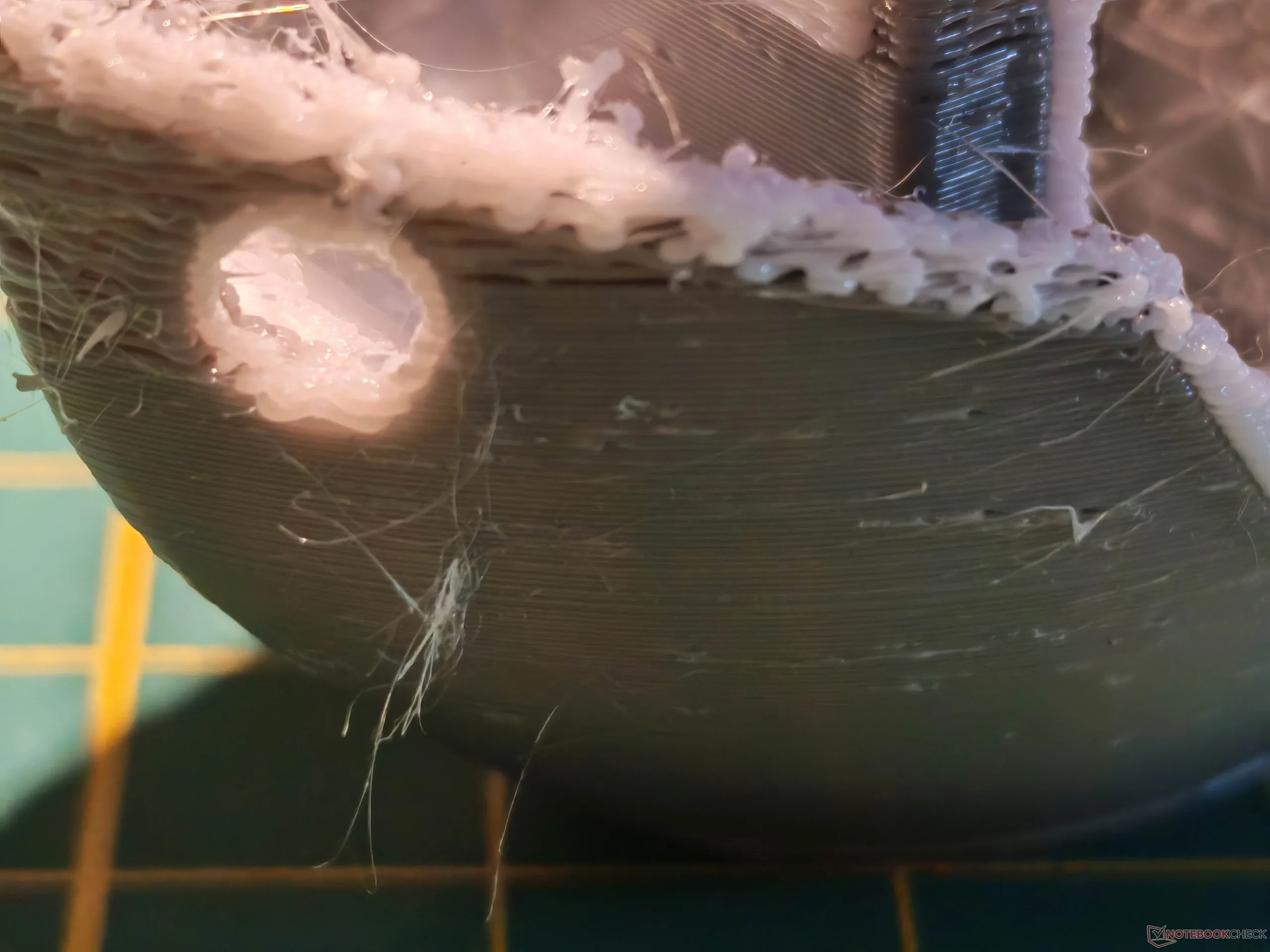
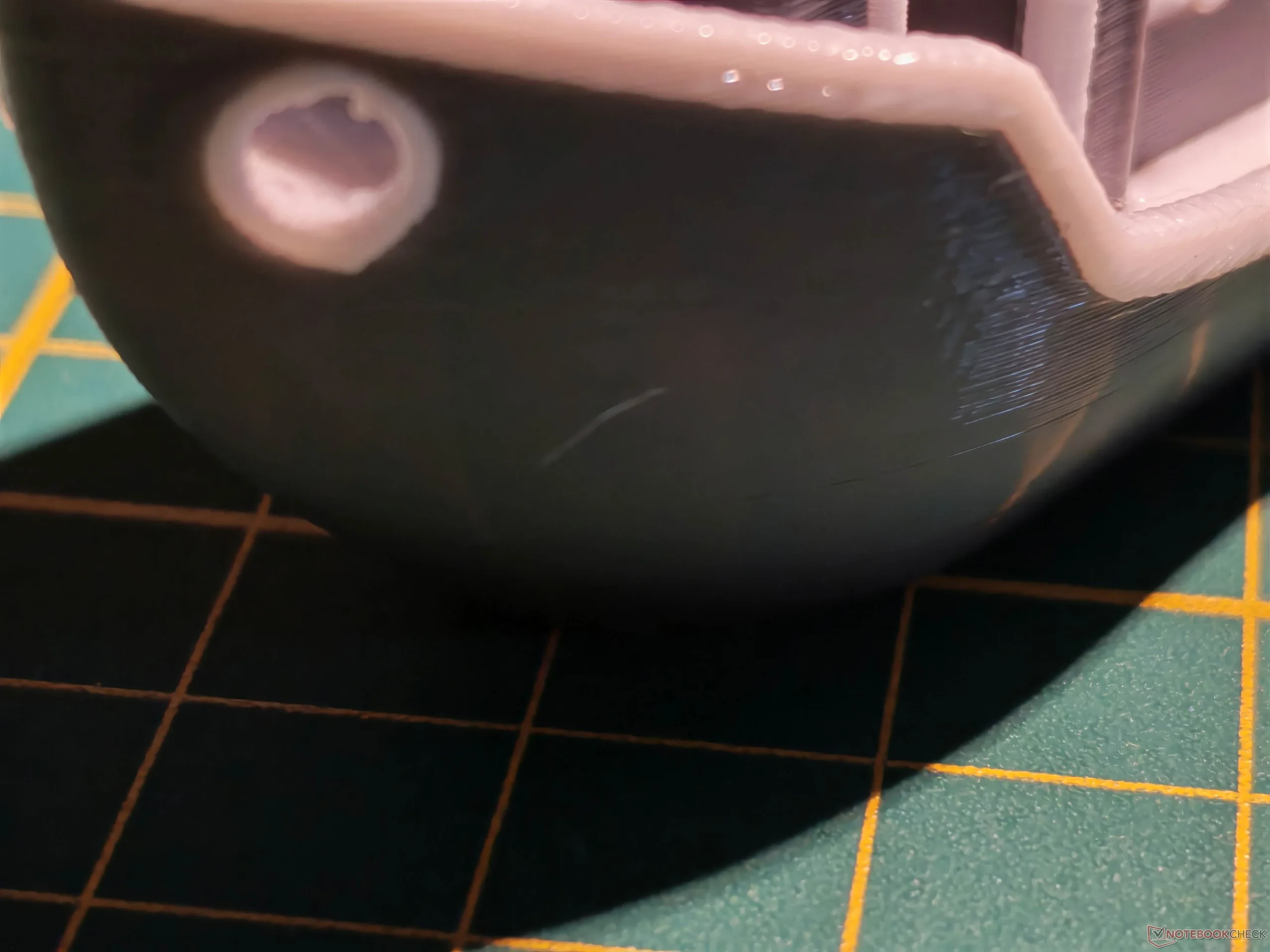
A 3D printer does not operate in a static equilibrium but in flow: It is a dynamic system that needs time to settle after power-up or when temperature or material conditions change. Like a garden hose, where you only get a steady stream a short time after opening the tap and sometimes tweak the nozzle to improve the jet, the hot end goes through a start‑up phase. After heating, a brief priming period follows in which filament continuously reaches the hot end and melt‑ and pressure‑conditions stabilize; only then does extrusion become reproducible. Priming is distinct from purging: Purging is always necessary when changing filament because molten material already in the hot end cannot be removed by retraction alone. In the photos you can see the transition between grey and white visible in the filament droplet during this intermediate phase.
Useful, but not free of waste
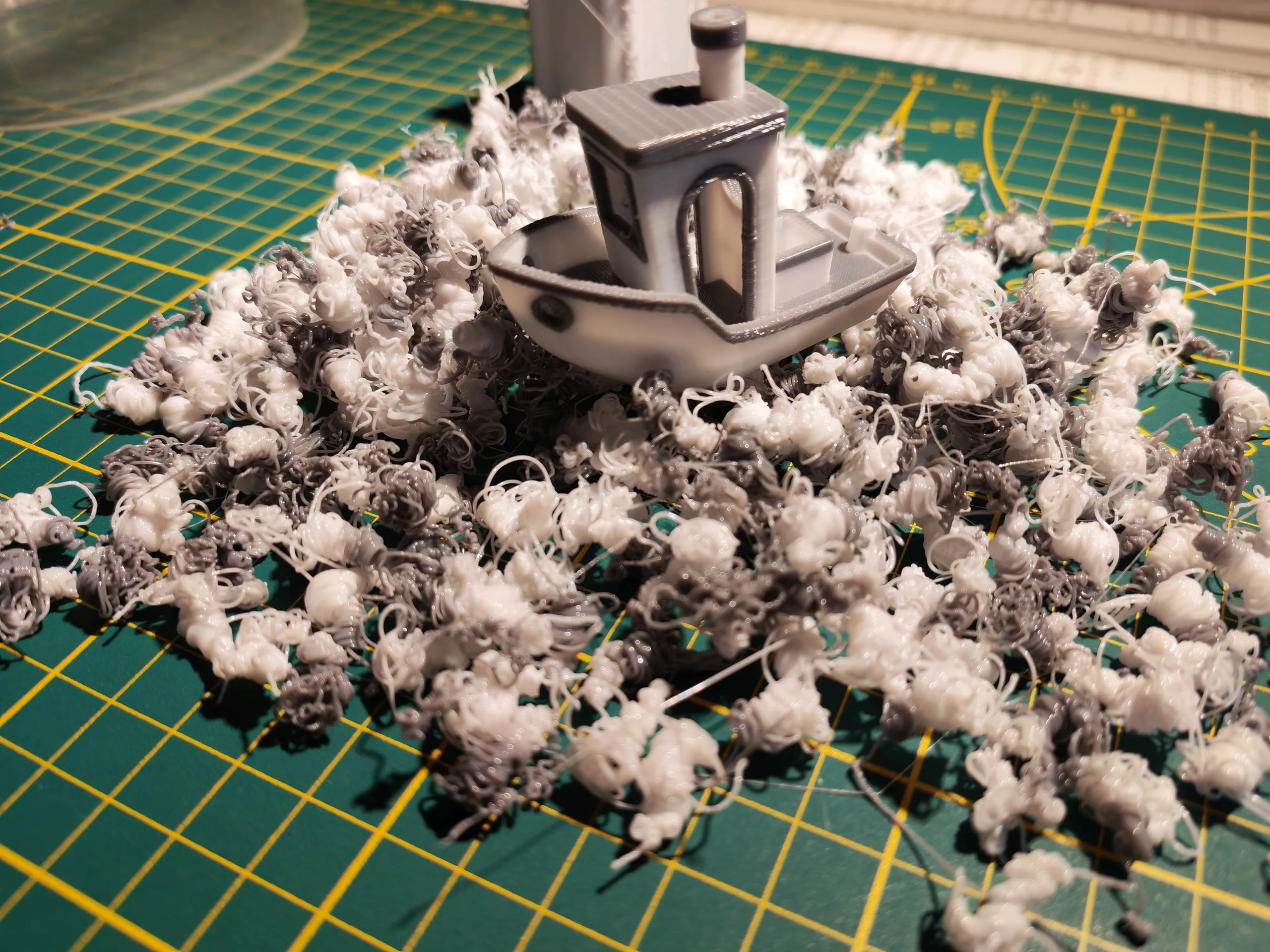
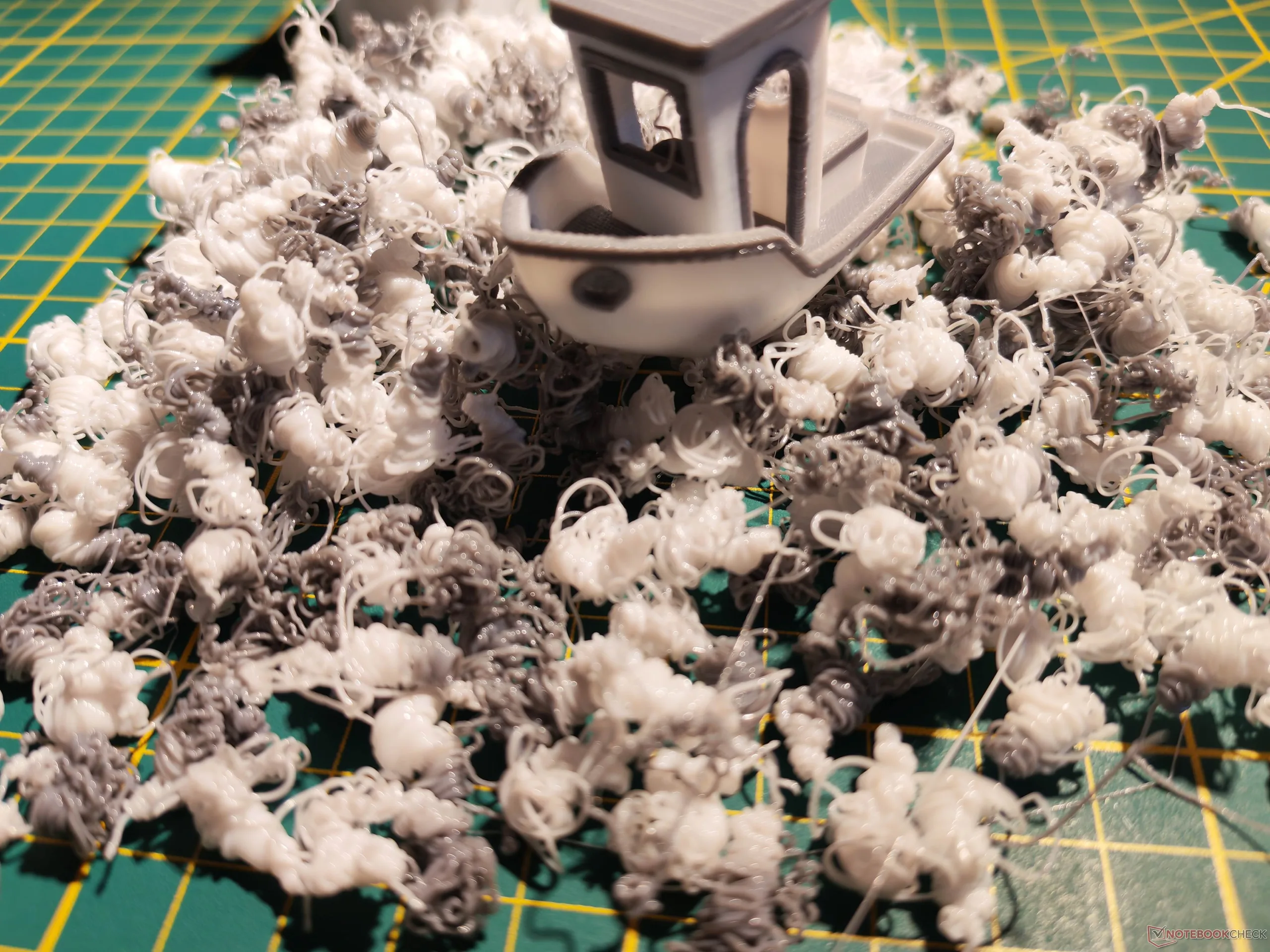
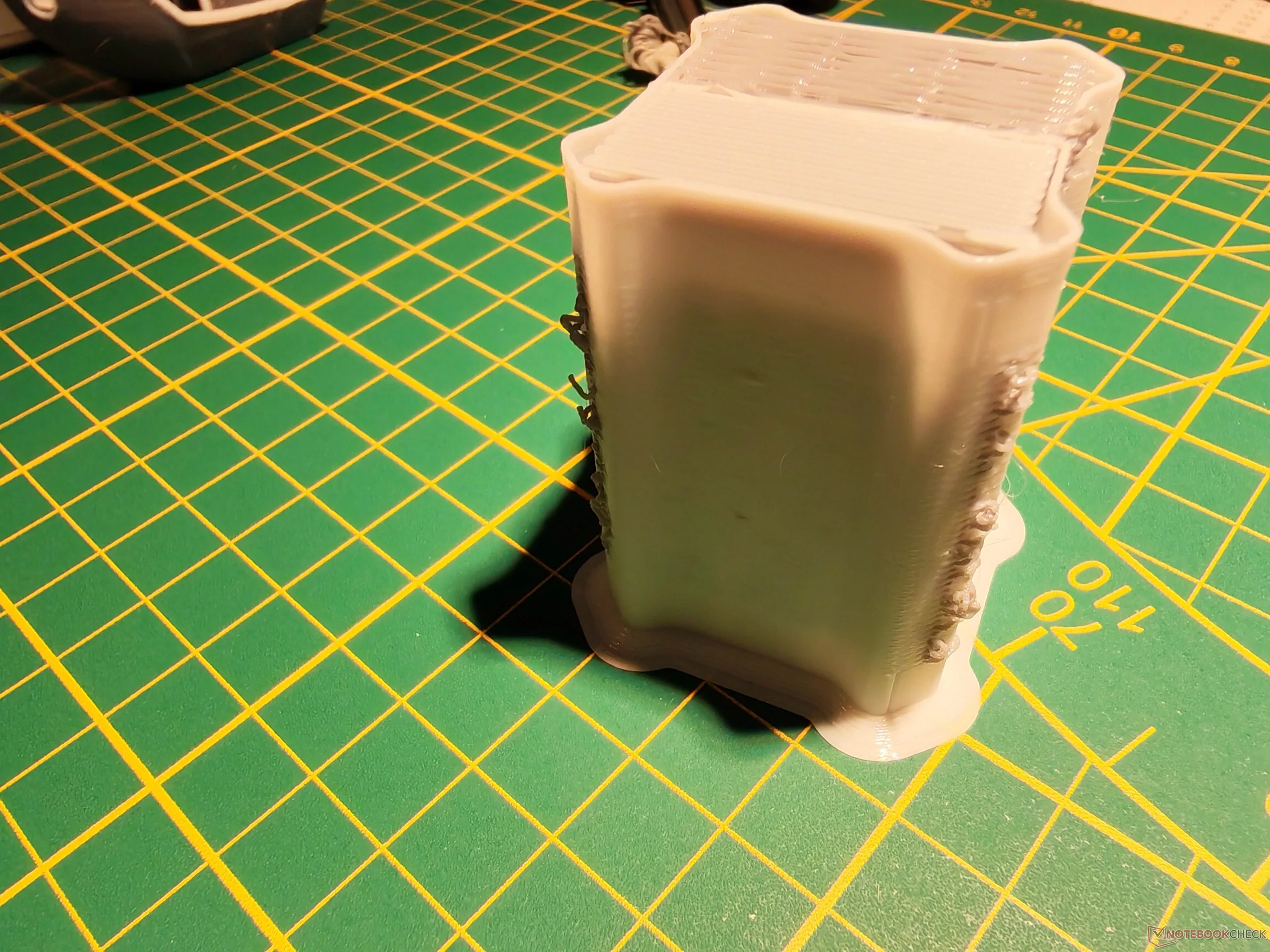
It is precisely this difference between priming and purging that is also fundamentally important with the X2D: Purging can be omitted completely, but priming cannot, as only one print nozzle can work at a time. In our test with the Multicolor-3D-Benchy from 3Designs, the X2D still proves to be clearly superior when both nozzles are used. If both nozzles are used, the 12-gram model only produces around 20 grams of waste, which is almost entirely accounted for by the purging tower. If only one nozzle is used and the filament therefore has to be repeatedly changed and the nozzle flushed, around 70 grams of waste are produced for every 12 grams of the actual model - 52 grams are the waste generated by flushing. This also has a full impact on the printing time: With just one print nozzle, the printing time increases from 2.7 to 5.8 hours. There are two things to note here: We used standard settings and the figures in practice are also likely to depend extremely heavily on the specific model to be printed. The logical question now is whether it is possible to dispense with the priming process. If so, the priming tower is no longer required and the printing time is reduced to just 1.7 hours when using both nozzles.
In our test, skipping priming did not make sense. Bambu Lab rightly advises against it, because it causes a major decline in print quality. Printing without priming would probably require systems with two fully independent tool heads - a specialist solution. Beyond material savings, two nozzles enable other possibilities. Printing support structures in a different material, for example, allows cheaper filament to be used for supports. The PVA sold by Bambu Lab (designed for supports) is not inexpensive. The trick: PVA is water‑soluble, so support structures dissolve in a water bath instead of being removed mechanically. That is likewise best seen as a specialist use case
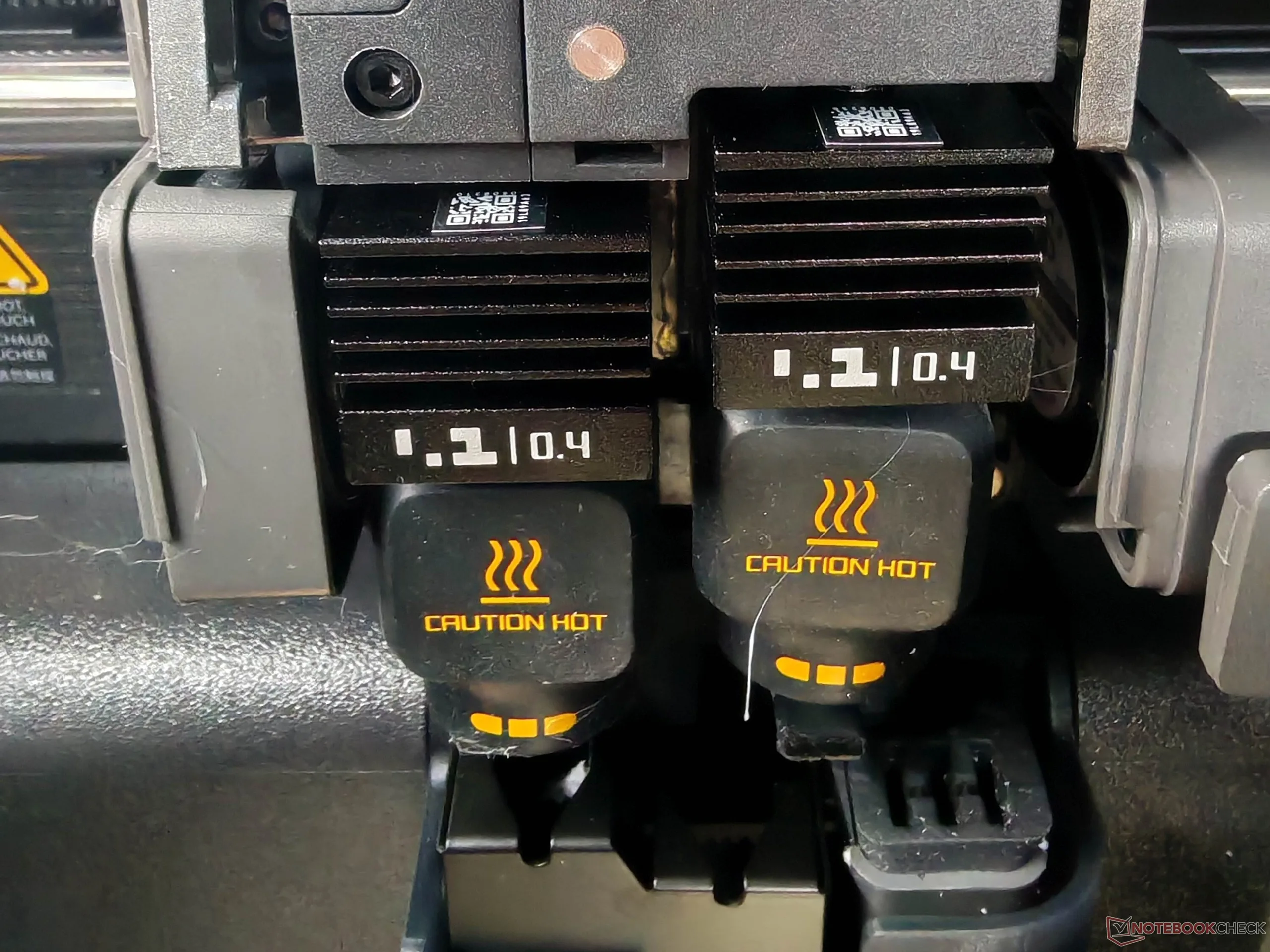
The second nozzle of the X2D is useful
Does the X2D enable multi‑material printing with zero waste? No. That shortfall is due less to the device itself and more to the underlying technology. Still, waste can be reduced considerably and print time shortened, so the multi‑nozzle system is both useful and efficient. As shown in the review, using both nozzles does not necessarily reduce print quality - parts can still look like they were produced as a single piece. The fact that the secondary nozzle does not support TPU and has a lower maximum speed, for example, was not a significant limitation in practice. Configuring two‑nozzle prints in the software is very easy, and the software suggests sensible groupings.
 Add as a preferred source on Google


