




Apple A12 Bionic vs Apple A10 Fusion vs Apple A18
Apple A12 Bionic
► remove from comparison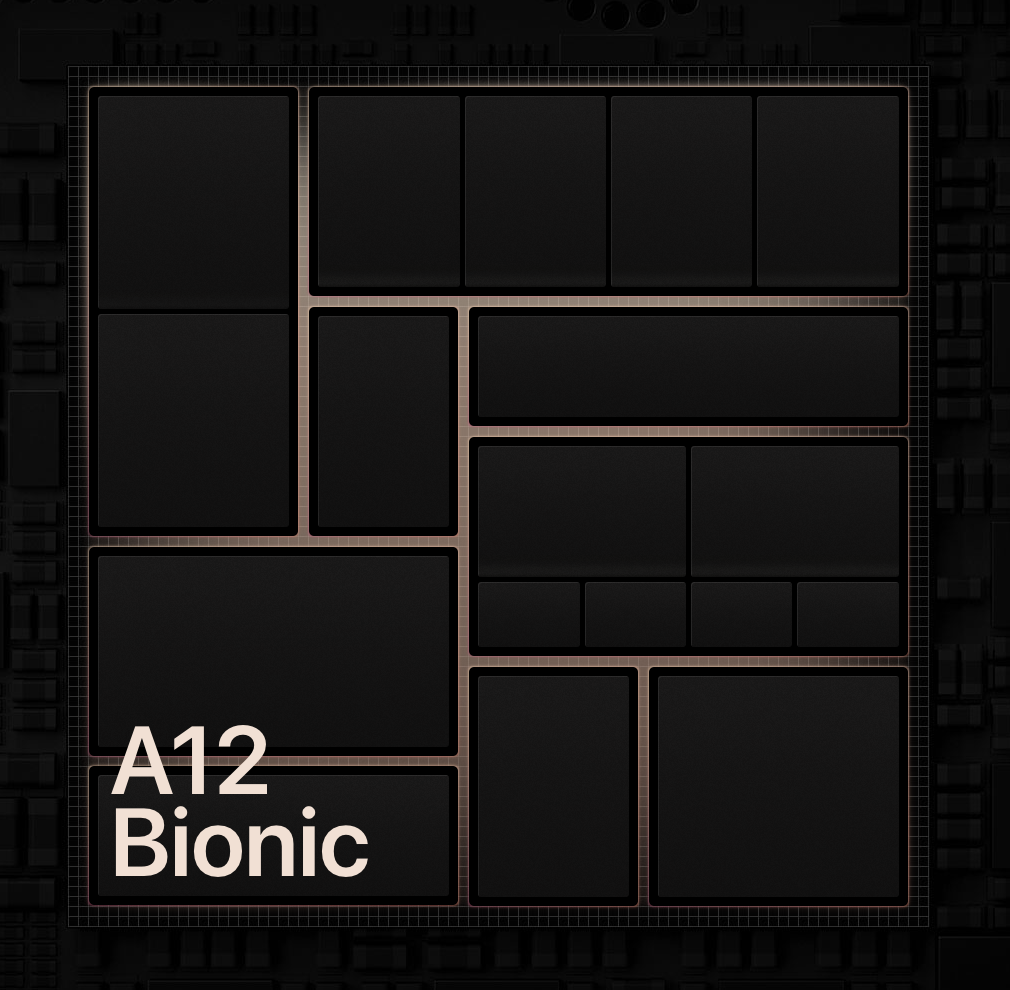
The Apple A12 Bionic is a System on a Chip (SoC) from Apple that is found in the iPhone Xs and Xr. It was announced late 2018 and offers 6 cores divided in 2 performance cores and four power efficiency cores. Compared to the previous A11 Bionic, the A12 should offer a 15% improved CPU performance for the performance cores and a 50% lower power consumption for the efficiency cores (both according to Apple).
The chip also includes a new GPU that is advertised as 50% faster, the M12 Motion co-processor and a Neural Engine with 8 cores for up to 5 trillion operations per second.
With 6.9 billion transistors, the A12 Bionic is a big chip especially compared to the Snapdragon 835 (3 Billion) or a Skylake desktop quad-core Soc (1.75 Billion). Compared to the A11, the A12 integrates 60% more transistors.
Apple A10 Fusion
► remove from comparison
The Apple A10 Fusion is a system on a chip (SoC) from Apple that is built into the iPhone 7 and iPhone 7 Plus. It integrates four 64 Bit cores that are divided in two clusters. Two high performance cores are clocked at up to 2.34 GHz and should be around 40% faster than the Apple A9 (according to Apple) and two low power cores (up to 1.1 GHz?). Up to now its unclear if all four cores can be used at once (that need only 1/5 th of the energy in some use cases). At the release of the iPhone 7 it looks like that IOS is only using two cores at a time and automatically switches between the two clusters. Therefore, apps are seeing only a dual core. The principle is similar to the first generation of ARMs big.LITTLE concept.
The integrated graphics card of the SoC will most likely stem from PowerVR (again) and perform 50% faster at 2/3 of the power consumption (according to Apple).
All in all the chip includes 3.3 billion transistors, which is more than a current AMD Bristol Ridge (3.1) and Skylake Quad-Core (1.75) X86 SoCs.
Sources: Apple Keynote, Ars Technica
Apple A18
► remove from comparison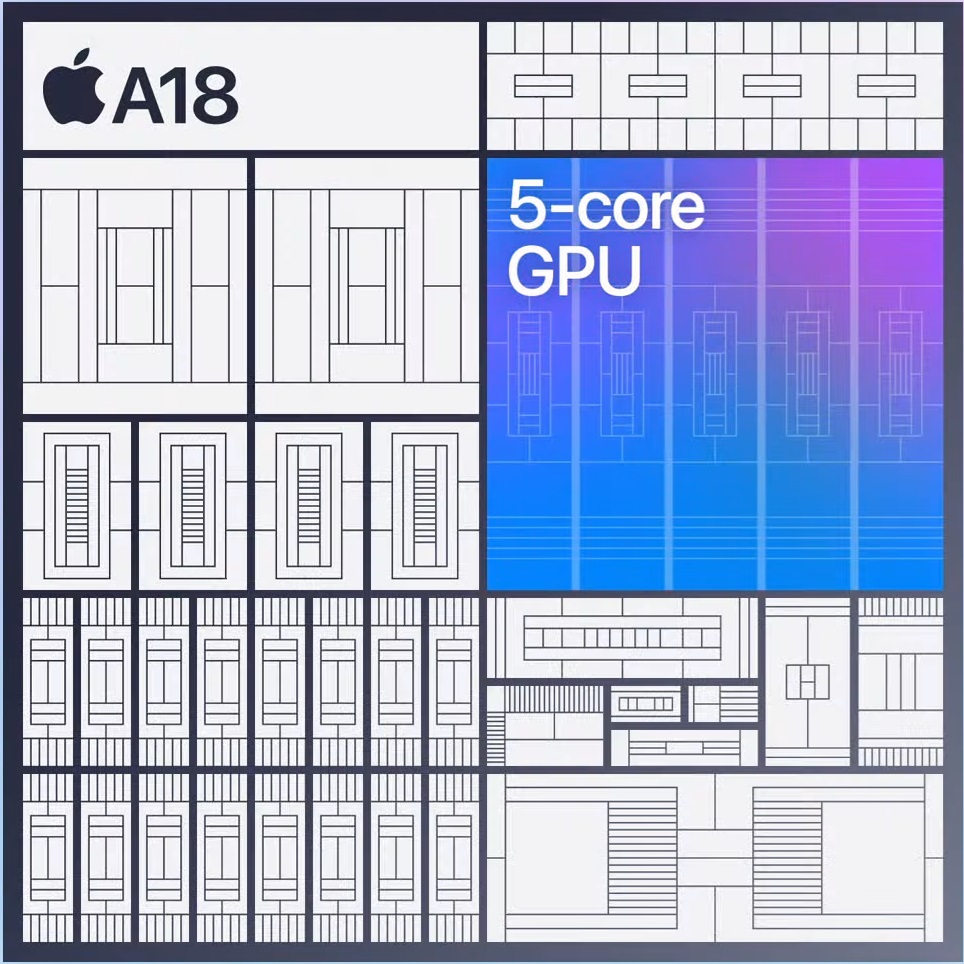
The Apple A18 is a powerful smartphone processor and formal successor to the A16. This new member of the Apple A processor series debuted in September 2024 alongside the iPhone 16 and iPhone 16 Plus; it features 2 performance cores and 4 efficient cores along with a 35 TOPS NPU and the 5-core A18 GPU.
The chip is normally paired with 8 GB of RAM. It is said to be in large part based on the v9.2A ARM microarchitecture for near-Apple M4 IPC. 5G, Wi-Fi 7, Bluetooth 5.3, various satellite navigation systems and NFC are all supported here.
The more expensive A18 Pro SoC has the same 2 P-cores and 4 E-cores running at slightly higher clock speeds; its graphics adapter is on the other hand significantly faster than what the A18 has. Another crucial little detail is that USB 3.x support is either missing, or disabled somehow on the A18 for USB 2.0 speeds only whereas the A18 Pro has no such issue.
Performance
Multi-threaded benchmarks put it in the same ballpark as the Snapdragon 8 Gen 3 and the Dimensity 9300. As expected from Apple, the A-series processor delivers breathtaking single-thread performance that just about matches the significantly more power-hungry Apple M3 chip. This suggests the P-cores can almost hit the 4 GHz mark when required.
Graphics
Like any modern graphics adapter, the 5-core A18 GPU is RT-enabled. It delivers benchmark scores that are most comparable to the G715 MP11 and the G615 MP6.
Power consumption
It appears the chip is able to briefly consume up to about 9 W when under high load, with average sustained power consumption figures hovering around 3-4 W.
The pretty modern TSMC N3E manufacturing process makes the A-series chip very power-efficient, as of late 2024.
| Model | Apple A12 Bionic | Apple A10 Fusion | Apple A18 | ||||||||||||||||||||||||||||||||||||||||||||||||||||||||||||||||
| Series | Apple Apple A-Series | Apple Apple A-Series | Apple Apple A-Series | ||||||||||||||||||||||||||||||||||||||||||||||||||||||||||||||||
| Series: Apple A-Series |
|
| |||||||||||||||||||||||||||||||||||||||||||||||||||||||||||||||||
| Clock | <=2490 MHz | 2340 MHz | <=3800 MHz | ||||||||||||||||||||||||||||||||||||||||||||||||||||||||||||||||
| L1 Cache | 256 KB | ||||||||||||||||||||||||||||||||||||||||||||||||||||||||||||||||||
| L2 Cache | 8 MB | 4 MB | |||||||||||||||||||||||||||||||||||||||||||||||||||||||||||||||||
| Cores / Threads | 6 / 6 | 4 / 2 | 6 / 6 2 x Apple A18 P-Core 4 x 4.0 GHz Apple A18 E-Core | ||||||||||||||||||||||||||||||||||||||||||||||||||||||||||||||||
| Transistors | 6900 Million | 3300 Million | |||||||||||||||||||||||||||||||||||||||||||||||||||||||||||||||||
| Technology | 7 nm | 16 nm | 3 nm | ||||||||||||||||||||||||||||||||||||||||||||||||||||||||||||||||
| Features | ARMv8 Instruction Set | ARMv8 Instruction Set | 16-core Neural Engine, USB 2.0 (480 Mbps) | ||||||||||||||||||||||||||||||||||||||||||||||||||||||||||||||||
| iGPU | Apple A12 Bionic GPU | Apple A10 Fusion GPU / PowerVR (900 MHz) | Apple A18 GPU | ||||||||||||||||||||||||||||||||||||||||||||||||||||||||||||||||
| NPU / AI | 5 TOPS INT8 | 35 TOPS INT8 | |||||||||||||||||||||||||||||||||||||||||||||||||||||||||||||||||
| Architecture | ARM | ARM | ARM | ||||||||||||||||||||||||||||||||||||||||||||||||||||||||||||||||
| Announced | |||||||||||||||||||||||||||||||||||||||||||||||||||||||||||||||||||
| Codename | APL1021 Hurricane / Zephyr | ||||||||||||||||||||||||||||||||||||||||||||||||||||||||||||||||||
| TDP Turbo PL2 | 9 Watt |
Benchmarks
Average Benchmarks Apple A12 Bionic → 100% n=8
Average Benchmarks Apple A10 Fusion → 51% n=8
Average Benchmarks Apple A18 → 176% n=8
 - Average benchmark values for this graphics card
* Smaller numbers mean a higher performance
1 This benchmark is not used for the average calculation


 Add as a preferred