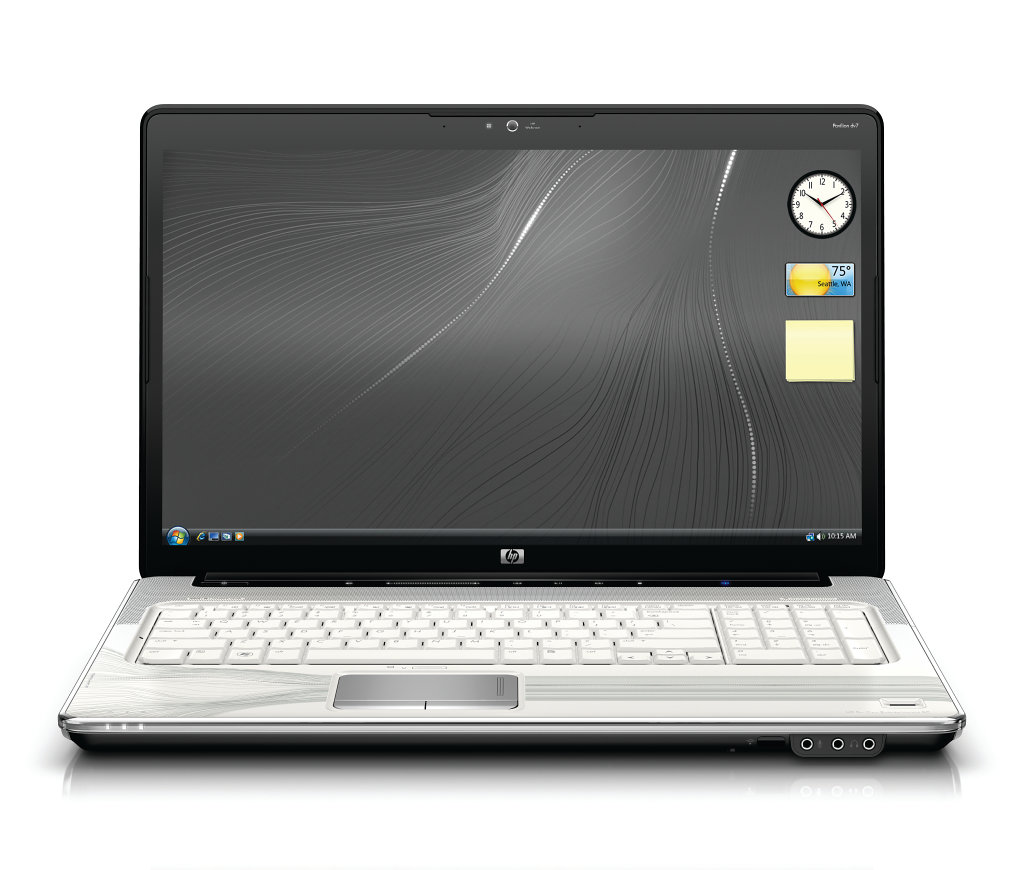
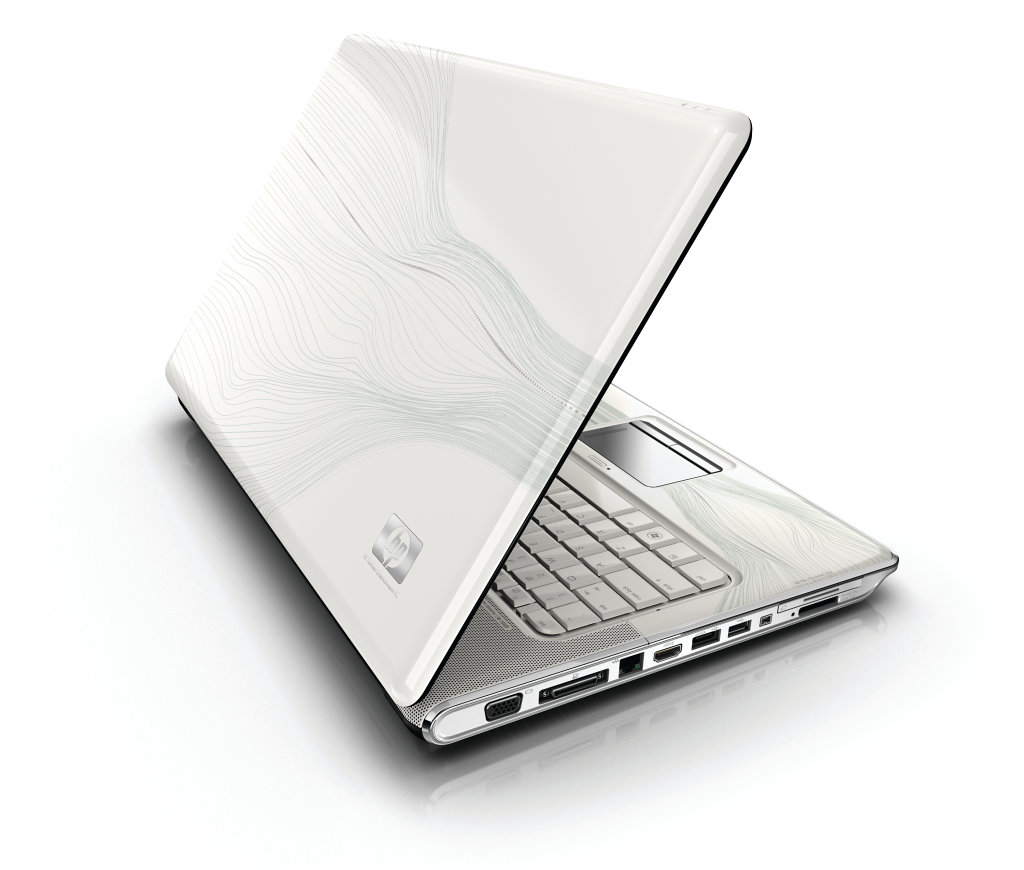
HP Pavilion dv7-2160ef
Specifications
Price comparison
Average of 2 scores (from 2 reviews)
Reviews for the HP Pavilion dv7-2160ef
Source: Digital Versus
 Archive.org version
The HP Pavilion dv6 is a midrange model from HP. Its multimedia capabilities suit it to a range of uses, from office applications and Web browsing to watching movies and viewing your holiday snaps. With its appealing visual design and very complete feature set on paper, the HP Pavilion dv6-1225ef look promising. Unfortunately, its disappointing performance, very poor battery life, and glossy, poor-quality display panel take away points.
Single Review, online available, Medium, Date: 10/20/2009
Rating: Total score: 60%
Source: Digital Versus
Archive.org versionSingle Review, online available, Medium, Date: 08/20/2009
Rating: Total score: 80% performance: 80% mobility: 60% ergonomy: 80%
Comment
ATI Mobility Radeon HD 4650: The Mobility HD 4650 is based on the Desktop 4650 architecture, but features a lower clock rate of memory and core. Depending on the core clock (450-550MHz possible) and the used memory (DDR2, DDR3, GDDR3 with 600-800 MHz possible) the mobile 4650 can show a different performance. The current consumption of the chip alone ranges from 15-25W. Features Avivo HD video features.
Non demanding games should be playable with these graphics cards.
» Further information can be found in our Comparison of Mobile Graphics Cards and the corresponding Benchmark List.
Intel Core 2 Duo: This is the Core Duo and Core Solo successor with a longer pipeline and 5-20% more speed without more power consumption. As an addition to the Core Duo design there exists a fourth decoder, an amplified SSE-unit and an additional arithmetical logical unit (ALU).
The Core 2 Duo for laptops is identical to the desktop Core 2 Duo processors but the notebook-processors work with lower voltages (0.95 to 1188 Volt) and a lower Frontside bus clock (1066 vs 667 MHz). The performance of equally clocked notebooks is 20-25% lower than Desktop PCs because of the lower Frontside bus clock and the slower hard disks.
P7550:
The P7550 is similar to the C2D P7570 and P8400 but misses features as Virtualization and Trusted Execution Technology. The performance is in the mid-range of mobile CPUs (in 2009).
» Further information can be found in our Comparison of Mobile Processsors.
 Add as a preferred source on Google