 Deutsch
 Español
 Français
 Italiano
 Nederlands
 Polski
 Português
 Русский
 Türkçe
 Svenska
 Chinese
 Magyar
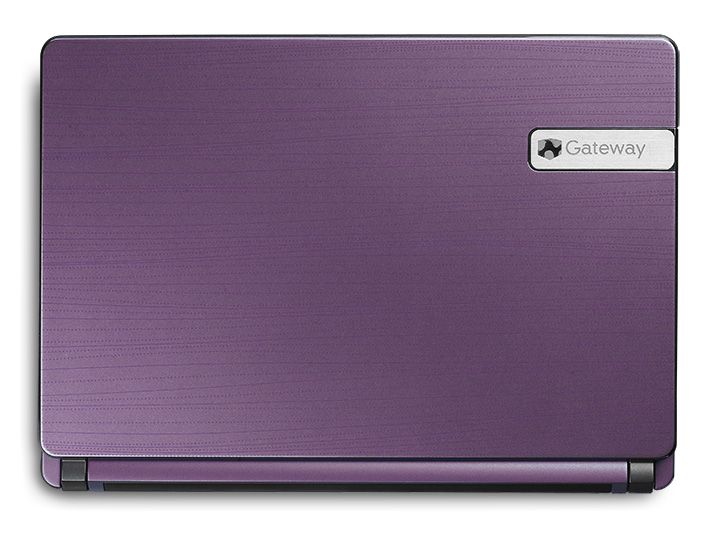
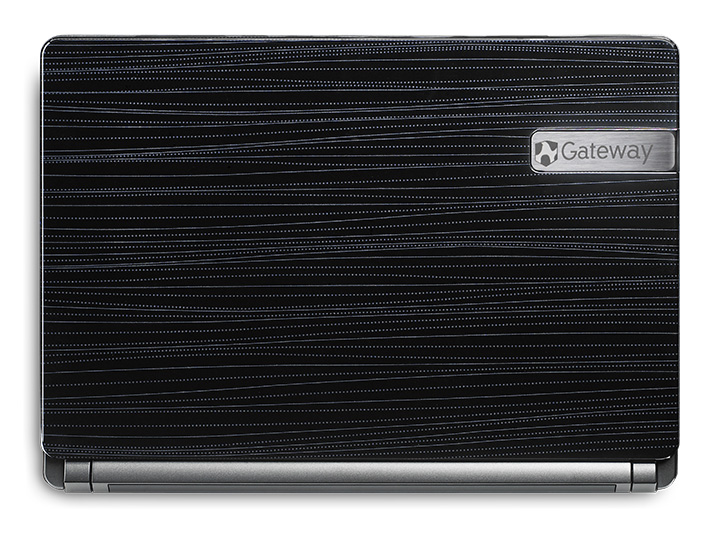
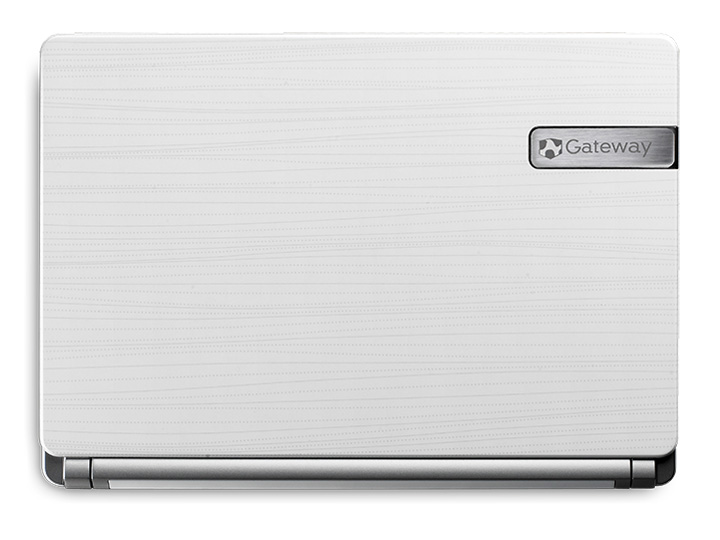
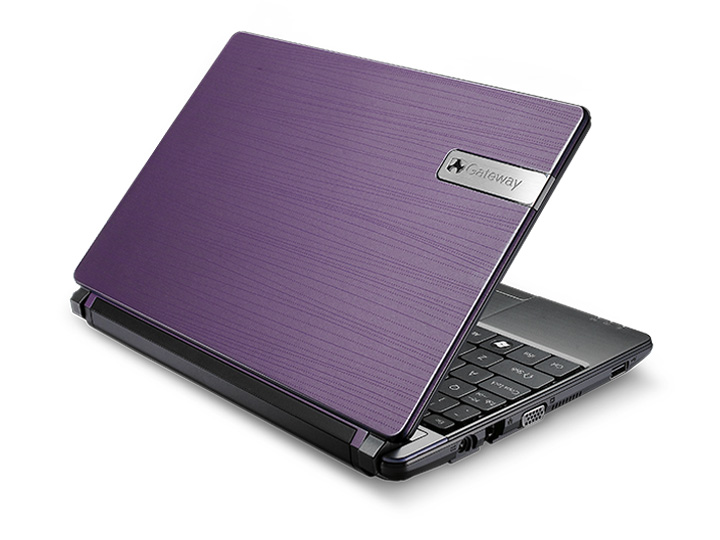
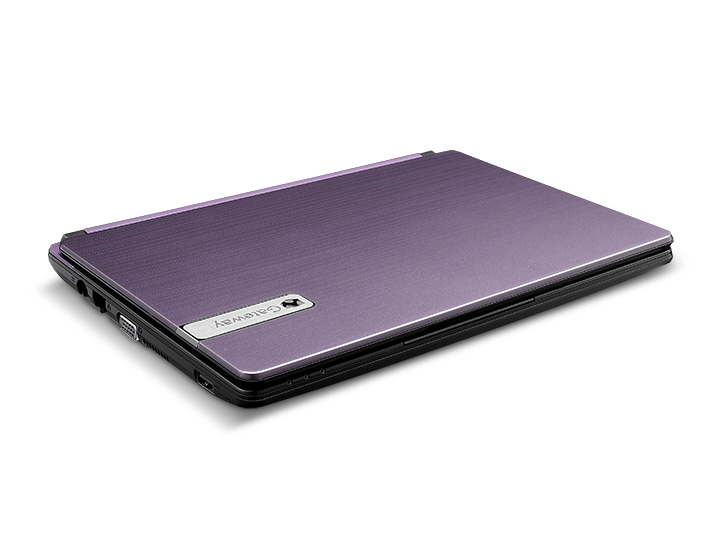
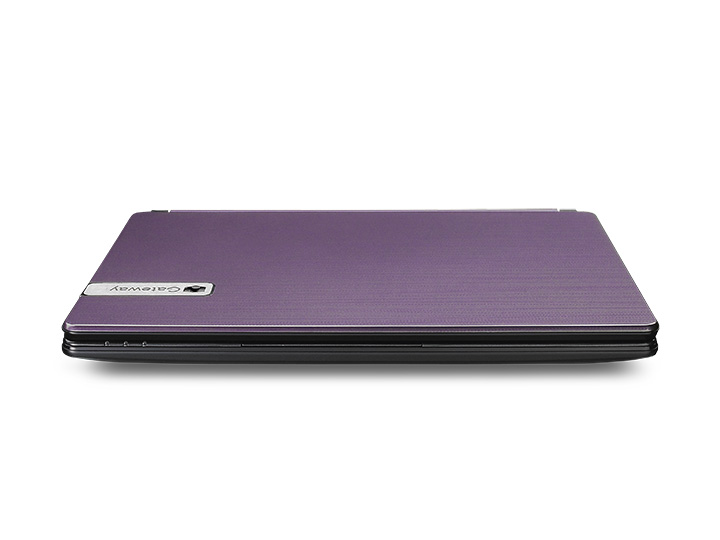
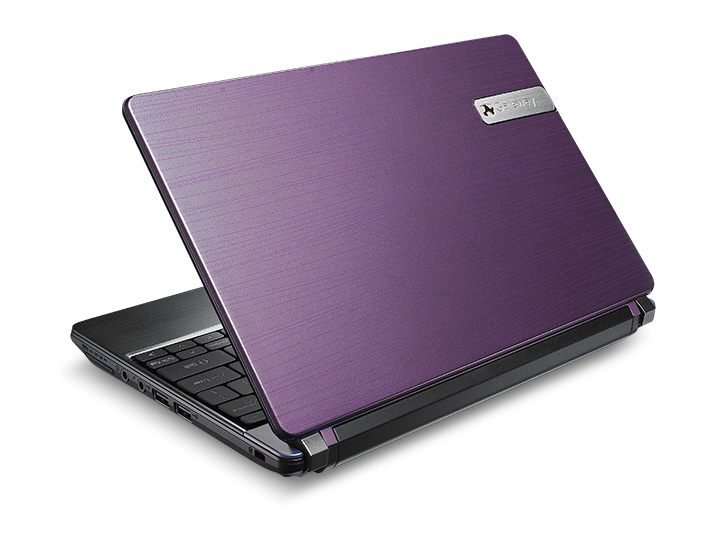
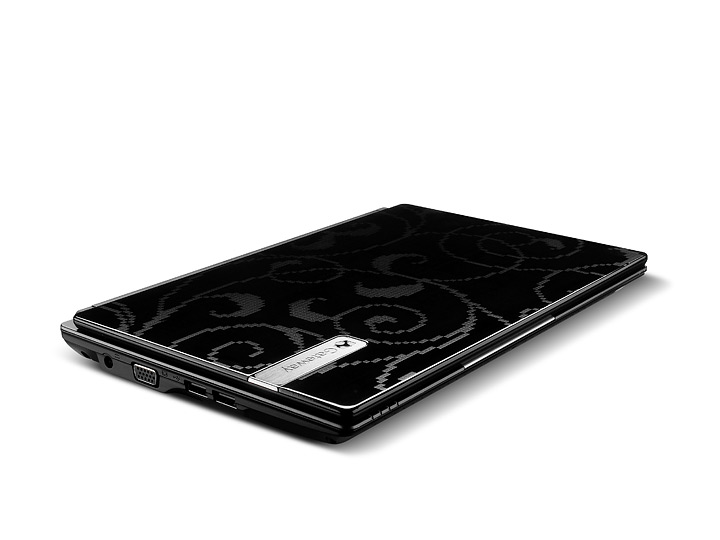
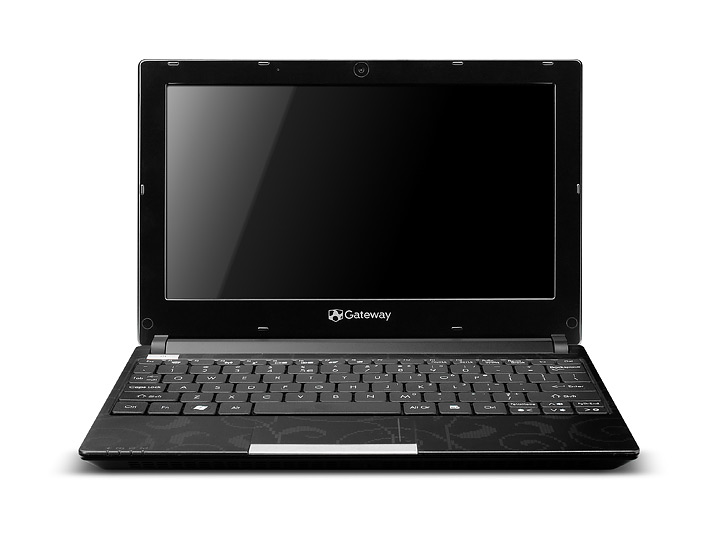
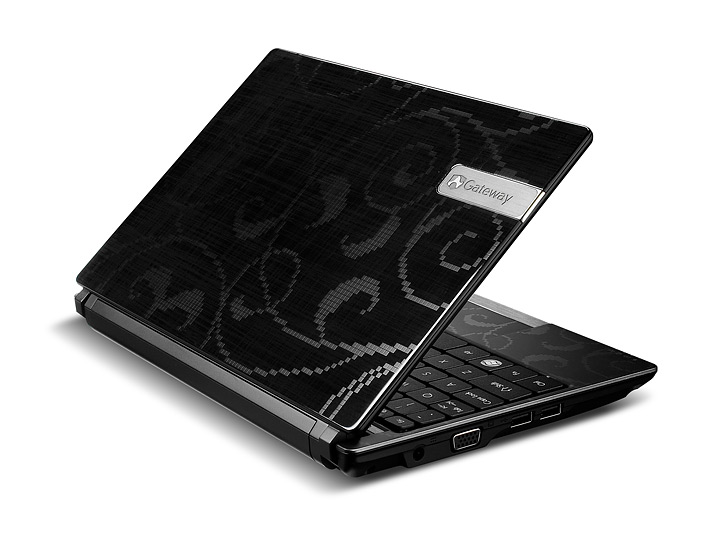
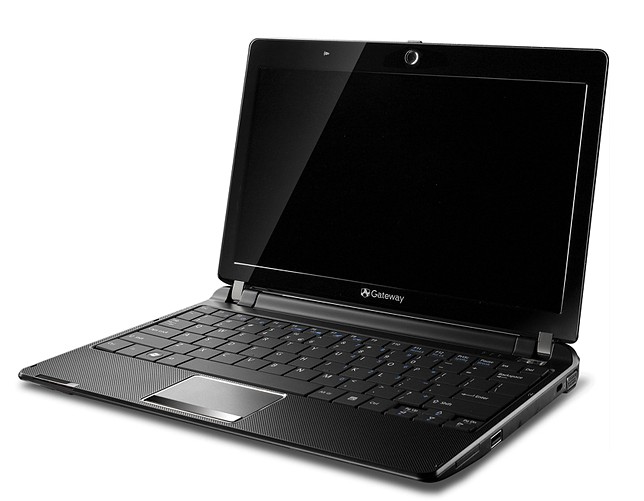
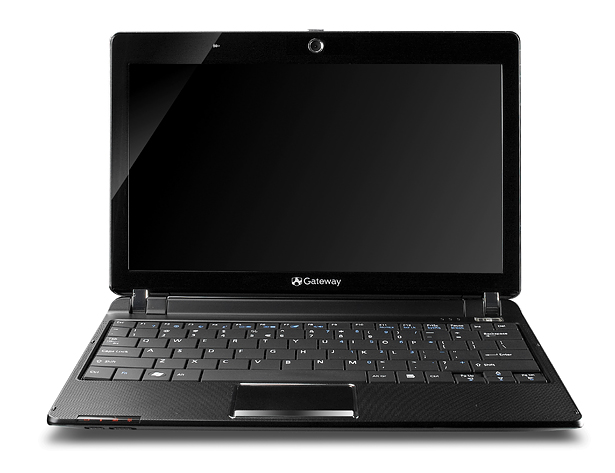
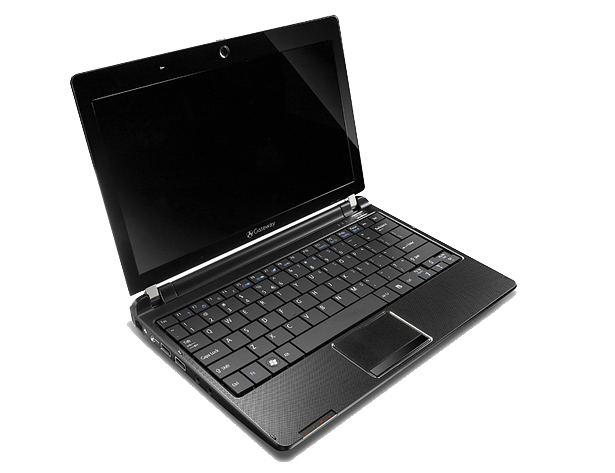
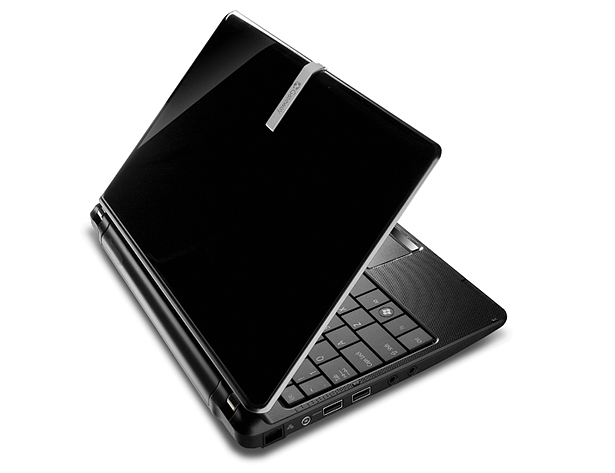
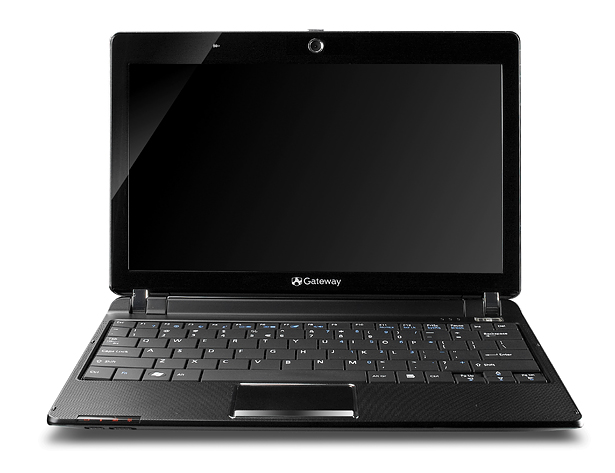
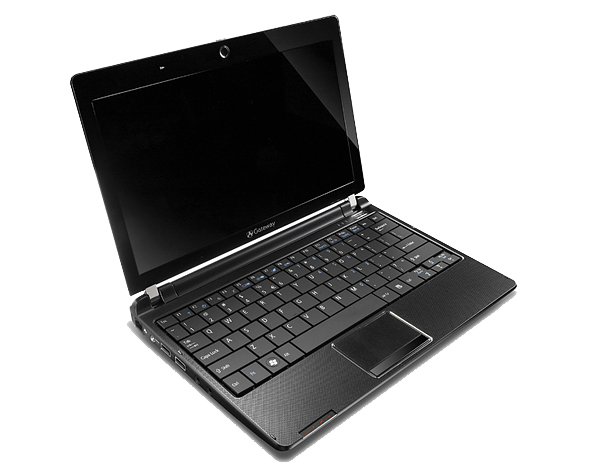
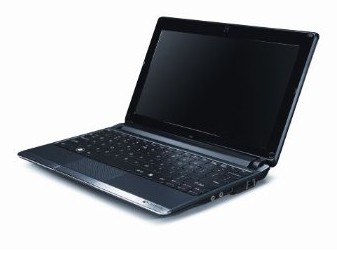
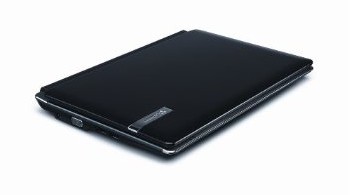
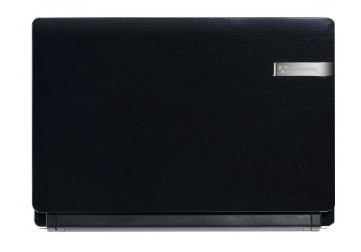
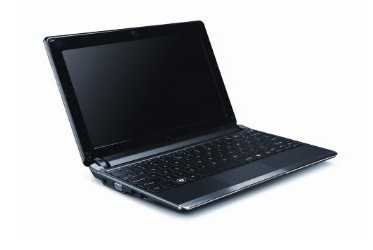
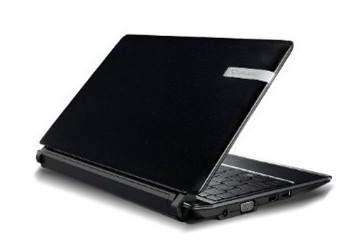
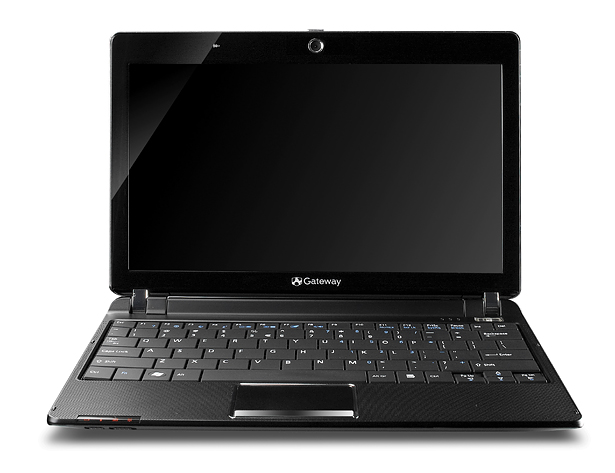
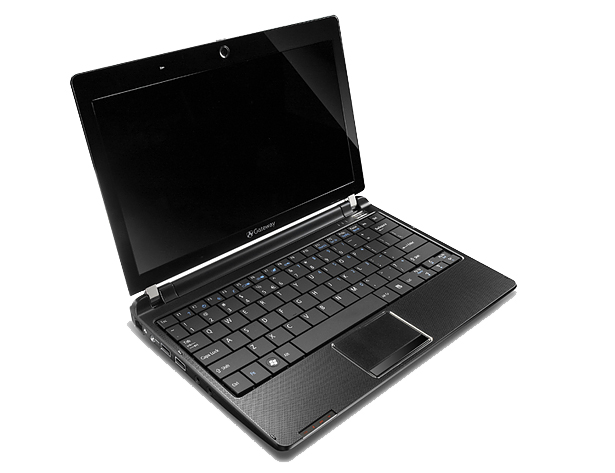
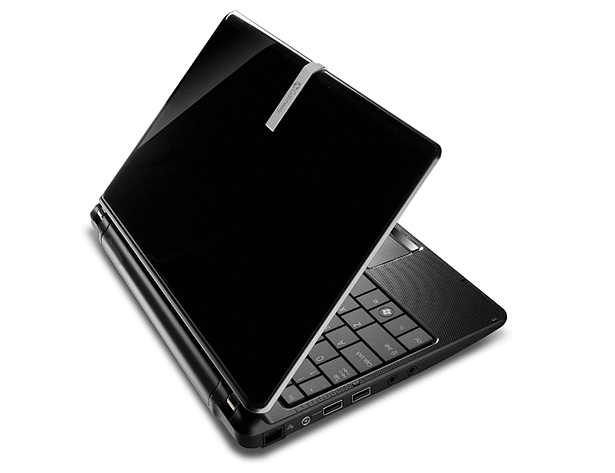
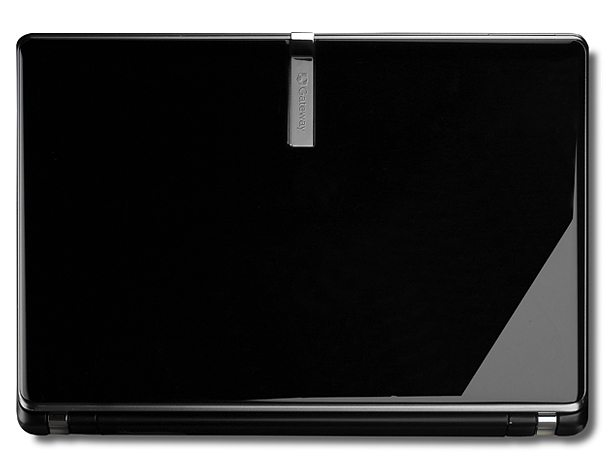
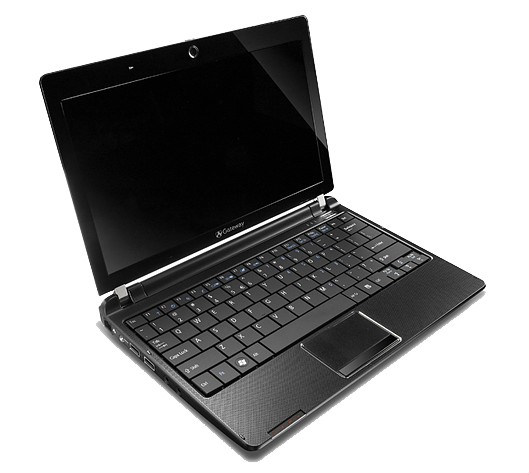
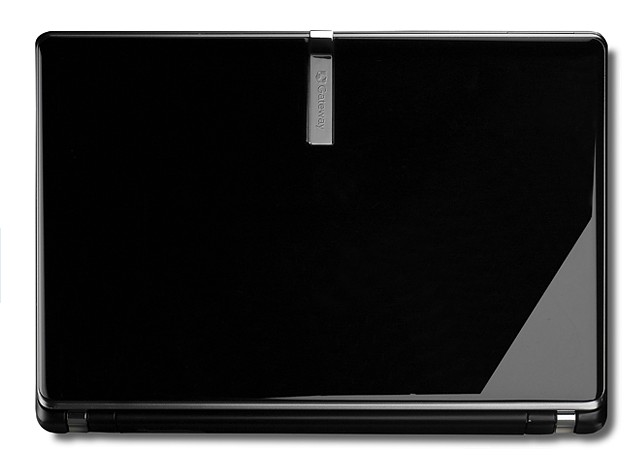
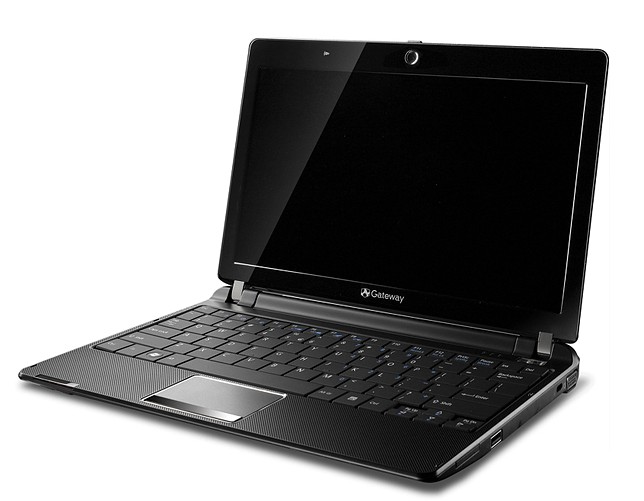
Gateway LT Series
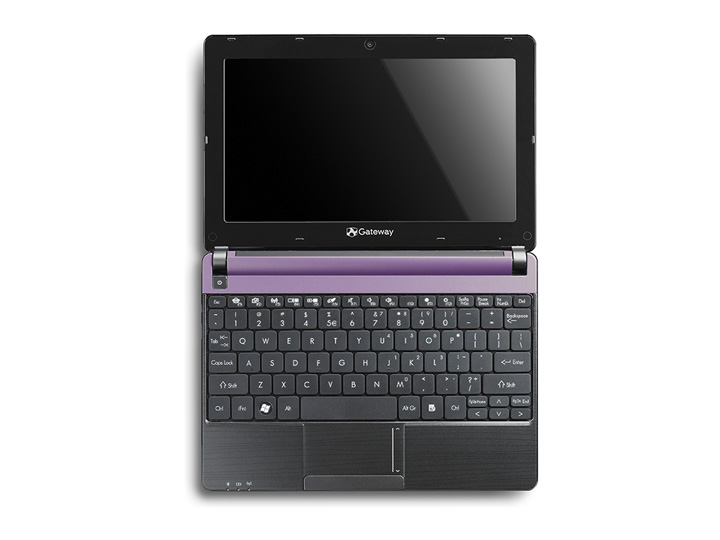 Processor: AMD Athlon 64 L110, AMD Athlon II Neo K125, Intel Atom N270, Intel Atom N450, Intel Atom N455, Intel Atom N570
Graphics Adapter: ATI Radeon HD 4225, ATI Radeon Xpress X1270, Intel Graphics Media Accelerator (GMA) 3150, Intel Graphics Media Accelerator (GMA) 950
Display: 8.90 inch, 10.10 inch, 11.60 inch
Weight: 1kg, 1.25kg, 1.3kg, 1.38kg, 1.4kg
Price: 250, 300, 350, 400, 700 euro
Average of 20 scores (from 21 reviews)
Gateway LT1004u
Specifications
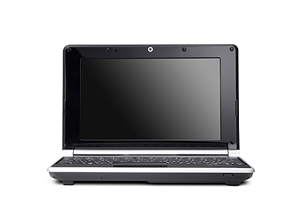 Notebook: Gateway LT1004u
Processor: Intel Atom N270
Graphics Adapter: Intel Graphics Media Accelerator (GMA) 950
Display: 8.90 inch, 16:9, 1024 x 600 pixels
Weight: 1kg
Price: 400 euro
Sold in: Anglo-America
Links: Gateway homepage Gateway notebook section LT (Series)
Pricecompare
Average Score:
Reviews
Source: Comp Reviews
 Archive.org version
Gateway LT1004u 8.9-inch Netbook Subnotebook Laptop PC The Gateway LT1004u is essentially a rebadged Acer Aspire One 8.9-inch netbook. They share the same base features, functions and flaws. Since it uses an 8.9-inch display, it is smaller than many of the newer 10-inch models. The big problem is that the Gateway LT1004u is more expensive than a comparable Acer Aspire One. So, unless you want the two toned color design of the Gateway, it is better to purchase the Aspire One.
60, Preis 40
Single Review, online available, Short, Date: 03/04/2009
Rating: Total score: 60% price: 40%
Gateway LT3103u
Specifications
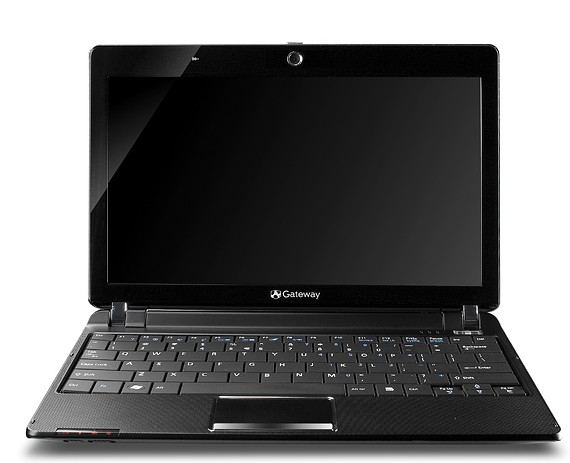 Notebook: Gateway LT3103u
Processor: AMD Athlon 64 L110
Graphics Adapter: ATI Radeon Xpress X1270
Display: 11.60 inch, 16:9, 1366 x 768 pixels
Weight: 1.38kg
Price: 350 euro
Sold in: Anglo-America
Links: Gateway homepage Gateway notebook section LT (Series)
Pricecompare
Average Score:
Reviews
Source: PC Mag
Archive.org versionLately, as soon as Acer launched a new netbook, Gateway wasn't far behind with something similar. Case in point: The Gateway LT3103u ($380 street) looks eerily similar to the Acer Aspire One (A0751h) in that both have unusually large widescreens and keyboards. In fact, they are practically identical until you take a peek at under the hood: AMD parts, too, are unusual finds in a netbook. With them, the LT3103u is slightly faster than the Atom-based A0751h, albeit at the expense of battery life. The Gateway LT3103u goes against everything that coined the term netbook, but you'll like the price, 11-inch screen, and the full size keyboard.
Single Review, online available, Medium, Date: 09/04/2009
Rating: Total score: 70%
Source: CNet
Archive.org versionIn the battle for Netbook market share supremacy, Intel's Atom CPU stands nearly unchallenged, despite a handful of offerings with AMD and Via CPUs. So it's surprising we found so much to like about the 11.6-inch Gateway LT3103u, which uses an AMD Athlon 64 L110 processor to provide a smoother overall experience than most Atom-powered Netbooks, while keeping the price in the typical Netbook ballpark. The 11-inch, AMD-powered Gateway LT3103u does well on price and performance, but drops the ball on battery life when compared with the competition.
Single Review, online available, Long, Date: 08/27/2009
Rating: Total score: 72% performance: 80% mobility: 60%
Source: Comp Reviews
Archive.org versionGateway has decided to buck the trend of the netbook market and used the AMD processor with ATI graphics that make the LT3103u a very unique system. While it still retains the netbook dimensions, the system certainly provides a higher level of performance especially in the graphics department. There are downsides to this though. Most notable is the system, even with a six cell battery, has a much lower battery life than competing systems based on the Atom processors.
Single Review, online available, Short, Date: 08/22/2009
Rating: Total score: 80%
Source: Laptop Mag
Archive.org versionThe Gateway LT Series represents netbooks’ first awkward steps into adolescence. With an 11.6-inch display, it’s almost as big as a traditional notebook, but while its AMD CPU is more powerful than Intel Atom chips, it still has a way to go before it can compete with ULV processors. But for now, the increase in power is not enough to overcome its lack of endurance when compared to the Acer Aspire One 751h, which is $50 less expensive, or the ASUS Eee PC 1101HA, which costs $30 more. Still, the LT3013u’s design and $399 price tag makes it attractive for those looking for a larger netbook with more grown-up specs.
Single Review, online available, Long, Date: 08/19/2009
Rating: Total score: 60%
Source: Computer Shopper
Archive.org versionOn paper, many netbooks are indistinguishable from one another. Most adhere stoically to an unbending regimen of specs: an Atom-based processor, 1GB of RAM, 160GB of storage, a 10.1-inch screen, a three-cell battery, and a price that hovers around $500. But Gateway, with one of its two initial series of netbooks, has created a netbook design that’s anything but ho-hum. An Athlon CPU and aggressive pricing raise Gateway's first netbook from “standard” to “standout.”
Single Review, online available, Long, Date: 08/01/2009
Rating: Total score: 93%
Gateway LT2016u
Specifications
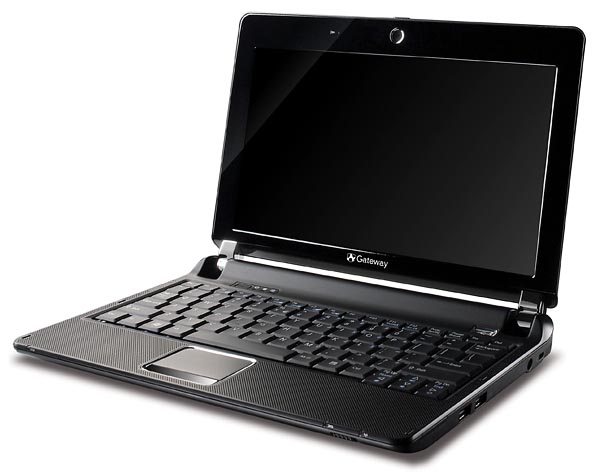 Notebook: Gateway LT2016u
Processor: Intel Atom N270
Graphics Adapter: Intel Graphics Media Accelerator (GMA) 950
Display: 10.10 inch, 10:6, 1024 x 600 pixels
Weight: 1.4kg
Price: 400 euro
Sold in: Anglo-America
Links: Gateway homepage Gateway notebook section LT (Series)
Pricecompare
Average Score:
Reviews
Source: Laptop Mag
Archive.org versionWe’re pretty firm in our stance that paying $60 per month for data is a lot when it’s just for a single device that likely won’t be your primary PC. In general we recommend that users purchase a USB modem (or MiFi), so they can share the data connection across multiple PCs and make the most of that monthly fee. But if you’re sold on the idea of paying less than half of what you would normally pay for a netbook with a six-cell battery, the Gateway LT2016u is a solid choice. We wish the touchpad and touch button were both larger—and that it ran cooler—but this netbook’s strong 3G data performance and slick, compact design make it worth considering.
Single Review, online available, Long, Date: 10/05/2009
Rating: Total score: 70%
Gateway LT3106a
Specifications
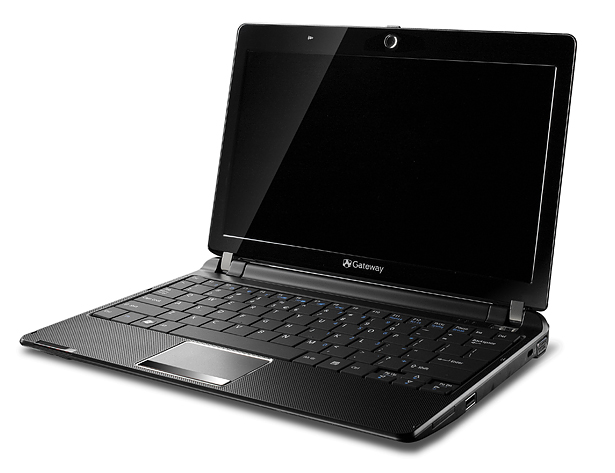 Notebook: Gateway LT3106a
Processor: AMD Athlon 64 L110
Graphics Adapter: ATI Radeon Xpress X1270
Display: 11.60 inch, 16:9, 1366 x 768 pixels
Weight: 1.4kg
Price: 700 euro
Sold in: Anglo-America
Links: Gateway homepage Gateway notebook section LT (Series)
Pricecompare
Reviews
Source: Reseller News
Archive.org versionOverall, there’s a lot to like about this offering from Acer Gateway, but the operating system of Windows Vista Home Basic may dissuade buyers looking to jump on the Windows 7 bandwagon. The LT3106a retails for $1099. This falls within the higher range for a netbook, but the more powerful specifications and the bigger screen size mean it’s value for money.
Single Review, online available, Medium, Date: 10/19/2009
Rating: price: 80%
Gateway LT2119u
Specifications
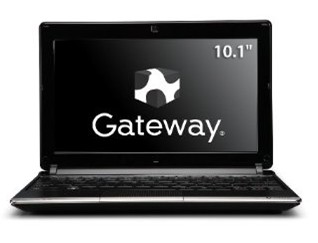 Notebook: Gateway LT2119u
Processor: Intel Atom N450
Graphics Adapter: Intel Graphics Media Accelerator (GMA) 3150
Display: 10.10 inch, 10:6, 1024 x 600 pixels
Weight: 1.3kg
Price: 250 euro
Sold in: Anglo-America
Links: Gateway homepage Gateway notebook section LT (Series)
Pricecompare
Average Score:
Reviews
Source: PC World
Archive.org versionThe Gateway LT21 sells for a priced of Rs. 19,990. It's just a regular netbook offering standard netbook performance. The only thing we liked about it is its extra RAM and hard drive space offering, and that it's easily upgradeable. It also has a very good keyboard.
Single Review, online available, Short, Date: 09/03/2010
Rating: Total score: 75%
Source: Comp Reviews
Archive.org versionGateway's LT2119u is a close cousin to the Acer Aspire One 532h netbook which is no big surprise. These means they share much of the same design and features. Battery life is above average but not class leading and the keyboard has both good and design aspects. It does use a larger hard drive and comes in a different color scheme but the Acer model can be found for less making the choice of the Gateway LT2119u more for looks than features.
Single Review, online available, Short, Date: 02/20/2010
Rating: Total score: 60%
Gateway LT2118u
Specifications
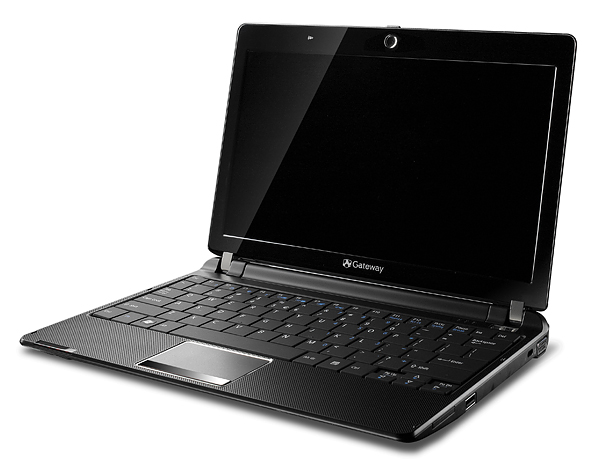 Notebook: Gateway LT2118u
Processor: Intel Atom N450
Graphics Adapter: Intel Graphics Media Accelerator (GMA) 3150
Display: 10.10 inch, 10:6, 1024 x 600 pixels
Weight: 1.3kg
Price: 300 euro
Sold in: Anglo-America
Links: Gateway homepage Gateway notebook section LT (Series) LT2118u (Model)
Pricecompare
Average Score:
Reviews
Source: Mobile Tech Review
Archive.org versionThe Gateway LT2118u wins with its elegant design on the exterior and the expandable memory and accessible hard drive on the interior. The Intel Atom N450 Pine Trail update gives the Gateway much longer battery life. And it handles most applications that you would want to use on a netbook well; applications like MS Works, IE, music playback and video streaming. Though we were not exactly impressed by the benchmark results the Gateway produced, our real life tests showed that the netbook handled most applications such as MS Works, IE, music playback and video streaming quite well. We do recommend that you upgrade the memory to 2 gigs and get the 250GB hard drive option.
Single Review, online available, Short, Date: 03/03/2011
Rating: Total score: 70%
Source: Laptop Mag
Archive.org versionThe Gateway LT2118U has quite a few things going for it: long battery life, good looks, and a great price. However, weak speakers and a subpar webcam hold this netbook back from being an Editors’ Choice pick. If you’re shopping by price, the LT2118U is a strong option, but the truly cost-conscious should also consider the $299 ASUS Eee PC 1001P, which has a smaller hard drive and less endurance, but performs just as well. If you’re willing to spend a little more, you might prefer the better looks, cooler temperatures, and more responsive keyboard offered by the Toshiba mini NB305.
Single Review, online available, Medium, Date: 05/03/2010
Rating: Total score: 70%
Source: PC World
Archive.org versionAn easily upgradable netbook with exceptional style and battery life. You'll laugh, you'll cry, you'll shake your head in amazement at the run time of the $350 (at the time of this review) Gateway LT2118u. With Intel's Atom N450 CPU and 3150 GPU at its heart, as well as 1GB of memory, a 250GB hard drive and a 10.1-inch, 1024-by-600-resolution display, Gateway's pride and joy carried on for an astounding 11 hours and 17 minutes in our battery tests
Single Review, online available, Short, Date: 04/27/2010
Rating: Total score: 70% performance: 66% features: 82%
Source: Mobile Tech Review
Archive.org versionThe Gateway LT2118u wins with its elegant design on the exterior and the expandable memory and accessible hard drive on the interior. The Intel Atom N450 Pine Trail update gives the Gateway much longer battery life. And it handles most applications that you would want to use on a netbook well; applications like MS Works, IE, music playback and video streaming.
Single Review, online available, Long, Date: 03/01/2010
Rating: Total score: 70%
Gateway LT2120u
Specifications
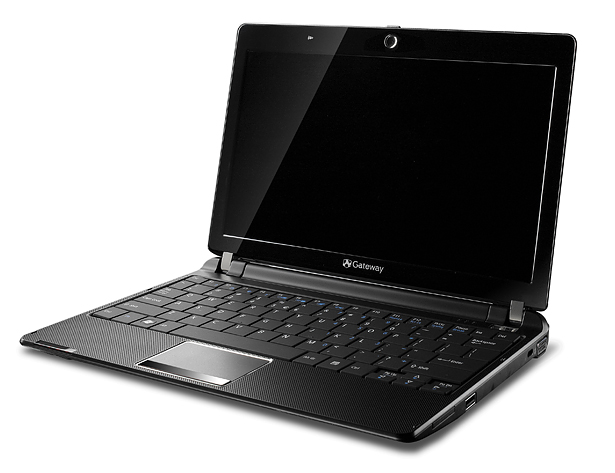 Notebook: Gateway LT2120u
Processor: Intel Atom N450
Graphics Adapter: Intel Graphics Media Accelerator (GMA) 3150
Display: 10.10 inch, 10:6, 1024 x 600 pixels
Weight: 1.3kg
Price: 300 euro
Sold in: Anglo-America
Links: Gateway homepage Gateway notebook section LT (Series)
Pricecompare
Average Score:
Reviews
Source: Computer Shopper
Archive.org versionA netbook with a low price and competitive performance is worth celebrating. Add good looks and long battery life to the mix, and you’ve got yourself a worthwhile PC. Throw in some of the best Flash video playback we've seen on a netbook, and the final product is a winner. Quite a bargain, Gateway’s latest netbook adroitly balances design, price, battery life, and performance.
Single Review, online available, Medium, Date: 06/01/2010
Rating: Total score: 87%
Source: AnandTech
Archive.org versionAt the end of the day, the Aspire One 532h and LT2120u are just netbooks. Solid competitors in the netbook class, but nothing mind blowing, and not really good enough to knock the ASUS Eee 1001P off its throne. They're not built quite as well and the LCD isn't near the high quality panel the ASUS uses, but the Aspire One (and Gateway clone) are still capable netbooks. I can't recommend them over the 1001P, primarily because of the LCD, but other than that the difference between them and the rest of the netbook class is pretty slight. The Acer and Gateway are both specced and priced to equal the 1001P and others, so if you prefer the Acer or Gateway brands, these are definitely up to scratch.
Comparison, online available, Long, Date: 04/28/2010
Rating: Total score: 70% display: 50% workmanship: 60%
Source: PC World
Archive.org versionYour cross-country flight will land long before the $350 (as of March 23, 2010) Gateway LT2120u netbook needs to sip from the AC again. Built around Intel's Atom N450 CPU and integrated 3150 GPU, as well as sporting 1GB of memory, a 250GB hard drive, and a 1024-by-600-pixel 10.1-inch display, the LT2120u lasted an impressive 9 hours, 40 minutes in our battery tests--no mean feat for a netbook that's also a good performer. Gateway wrings great battery life out of this Atom N450-based, 10.1-inch netbook.
Single Review, online available, Medium, Date: 03/26/2010
Rating: Total score: 60% performance: 67% features: 78%
Gateway LT3201u
Specifications
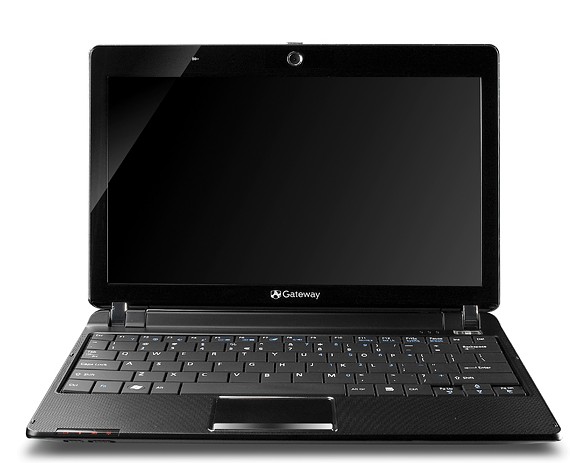 Notebook: Gateway LT3201u
Processor: AMD Athlon II Neo K125
Graphics Adapter: ATI Radeon HD 4225
Display: 11.60 inch, 16:9, 1366 x 768 pixels
Weight: 1.25kg
Price: 400 euro
Sold in: Anglo-America
Links: Gateway homepage Gateway notebook section LT (Series)
Pricecompare
Average Score:
Reviews
Source: CNet
Archive.org versionNetbooks have settled into a comfortable set of stock components, offering basic PC functionality for prices unheard of even a few years ago. The typical setup of a 10-inch display, Intel Atom N450 CPU, 1GB of RAM, and Windows 7 Starter is easy to find for as little as $299, and more than adequate for many tasks, from e-mail to surfing the Web. Offering a little more Netbook for a little more money, the Gateway LT32 is a solid step up in power, screen size, and price.
Single Review, online available, Long, Date: 08/25/2010
Rating: Total score: 70% performance: 70% features: 80% mobility: 70%
Source: Computer Shopper
Archive.org versionThe entire experience with a portable computer, be it a big gaming notebook or a tiny netbook like this one, starts with the tactile feel. If you don't like the keyboard and touch pad, you'll never truly fall in love with your laptop. Sure, you can connect a mouse (and in extreme cases, a keyboard), but in the case of a netbook, that thwarts portability. This finger-friendly netbook gets a whole lot right. Its speed justifies the $449 price if you crunch or play back lots of media on the go.
Single Review, online available, Medium, Date: 07/01/2010
Rating: Total score: 87%
Gateway LT2321u
Specifications
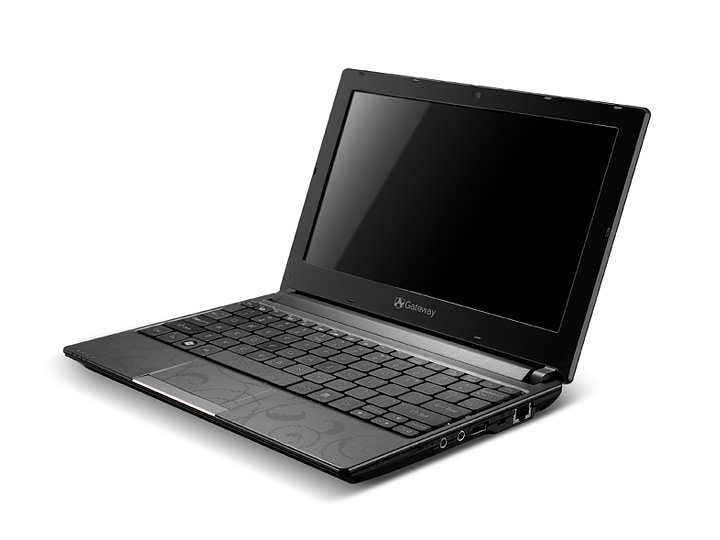 Notebook: Gateway LT2321u
Processor: Intel Atom N455
Graphics Adapter: Intel Graphics Media Accelerator (GMA) 3150
Display: 10.10 inch, 16:10, 1024 x 600 pixels
Weight: 1.3kg
Price: 400 euro
Sold in: Anglo-America
Links: Gateway homepage Gateway notebook section LT (Series) LT2321u (Model)
Pricecompare
Average Score:
Reviews
Source: Tech2.in.com
Archive.org versionAfter looking at all the features and the performance, it’s quite apparent that there’s no good reason why I can recommend the LT23 instead of the Toshiba NB520. For that matter, at least the previous AOD260 had a special 3G slot to talk about, but this has absolutely nothing and, at a price of Rs. 22,708, is not a good buy at all.
Single Review, online available, Very Short, Date: 03/15/2011
Rating: Total score: 40%
Gateway LT2085u
Specifications
Notebook: Gateway LT2085uProcessor: Intel Atom N570
Graphics Adapter: Intel Graphics Media Accelerator (GMA) 3150
Display: 10.10 inch, 16:10, 1024 x 600 pixels
Weight: 1kg
Price: 300 euro
Sold in: Anglo-America
Links: Gateway homepage Gateway notebook section LT (Series) LT2085u (Model)
Pricecompare
Average Score:
Reviews
Source: Comp Reviews
Archive.org versionGateway has gone back to the roots of the netbook class laptops by providing an extremely affordable option. This will certainly attract those people looking to get a low cost option for compact connectivity. For the most part, it isn't all that different from most other netbooks but they did have to skimp in a few areas to keep the price low.
Single Review, online available, Short, Date: 08/30/2011
Rating: Total score: 60%
Comment
Gateway: Gateway, Incorporated. is a computer hardware company based in California which develops, manufactures, supports, and markets a wide range of personal computers, computer monitors, servers, and computer accessories. AOL acquired Gateway.net, the online component of Gateway Inc., in 1999. 2007, Acer completed its acquisition of Gateway for approximately US$710 million. The market share outside of the US market is rather low.
In 2014 to 2016, Gateway did no longer belong to the Top 10 laptop manufacturers/distributors. Newer devices from Gateway are hardly reviewed by specialist media any longer (as of 2016).
These graphics cards are not suited for Windows 3D games. Office and Internet surfing however is possible.
Intel Graphics Media Accelerator (GMA) 950: Intel Graphics Media Accelerator 950 is an integrated (onboard) graphic chip on Mobile Intel 945GM chipset. It is a faster clocked version of the GMA 900 and supports no hardware T&L (Transform & Lightning) accelleration (which is required for some games).
ATI Radeon Xpress X1270: Built in RS690T chipset and is based on an X700 graphics core (with less pipelines). It features no dedicated graphics memory but Vista Aero support.
Intel Graphics Media Accelerator (GMA) 3150: Integrated (shared memory) graphics card in the intel Atom N4xx CPUs. Minimally faster than an old GMA 950 and therefore not suited for 3D games or HD videos (only MPEG2 acceleration).
Only some 3D games with very low demands are playable with these cards.
ATI Radeon HD 4225: Onboard graphics card (in the RS880M chipset) that is able to decode HD videos (thanks to the UVD2). Technically a slower clocked HD 4250.
» Further information can be found in our Comparison of Mobile Graphics Cards and the corresponding Benchmark List.
Intel Atom: The Intel Atom series is a 64-Bit (not every model supports 64bit) microprocessor for cheap and small notebooks (so called netbooks), MIDs, or UMPCs. The speciality of the new architecture is the "in order" execution (instead of the usual and faster "out of order" execution). Therefore, the transistor count of the Atom series is much lower and, thus, cheaper to produce. Furthermore, the power consumption is very low. The performance per Megahertz is therfore worse than the old Pentium 3M (1,2 GHz on par with a 1.6 GHz Atom).
N270:
Power efficient, cheap and slow Netbook single core CPU. Because of the in-order execution, the performance per MHz is worse than Core Solo or Celeron M processors.
N450:
Intel Atom CPU for Netbooks with integrated memory controller and GMA 3150 GPU. The performance of the system should be only minimally faster than the previous Atom N280 / GMA 950 combination.
N455: Intel Atom CPU for Netbooks with integrated DDR3 memory controller and GMA 3150 GPU. The performance of the system should be only minimally faster than the previous Atom N280 / GMA 950 combination.
N570: Dual core Atom processor with a slightly higher clock rate than the Atom N550 and therefore still slower than the CULV processors.
AMD Athlon 64:
L110: Slow clocked single core processor with a similar performance as 1.6 GHz Intel Atom CPUs but a higher power consumption.
AMD Athlon II Neo:
K125: Slow entry level single core CPU for small and light laptops. Still faster as 1.6 Ghz Atom based systems.
» Further information can be found in our Comparison of Mobile Processsors.
» To find out how fine a display is, see our DPI List.
No weight comment found (one expected)!
69.7%: This rating is poor. More than three quarters of the models are rated better. That is rather not a purchase recommendation. Even if verbal ratings in this area do not sound that bad ("sufficient" or "satisfactory"), they are usually euphemisms that disguise a classification as a below-average laptop.
» Further information can be found in our Notebook Purchase Guide.