




Apple A18 Pro vs Mediatek Kompanio Ultra 910
Apple A18 Pro
► remove from comparison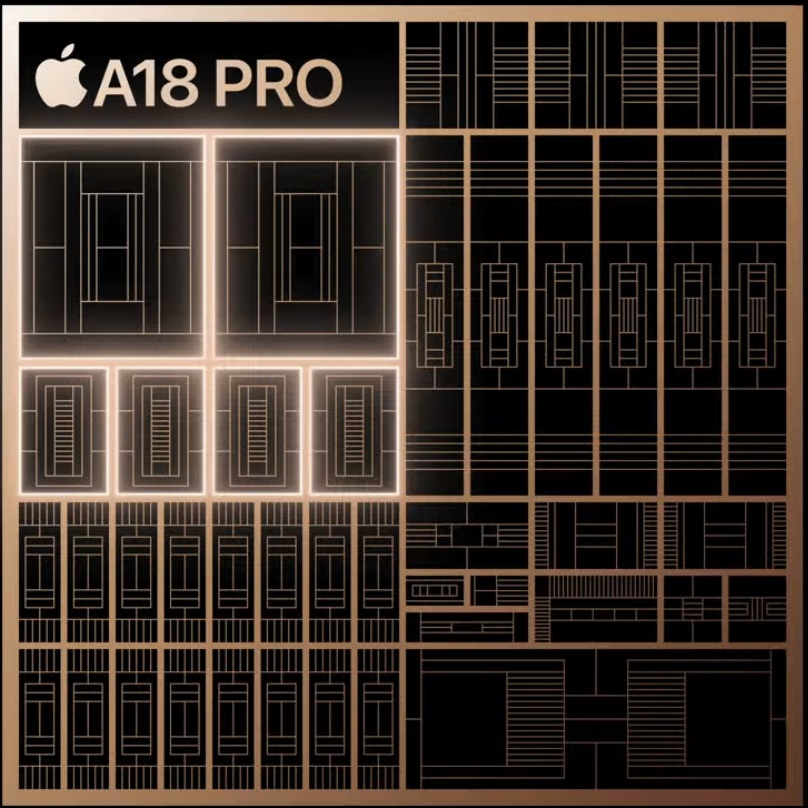
The Apple A18 Pro is a powerful smartphone processor and formal successor to the A17 Pro. This new member of the Apple A processor series debuted in September 2024 alongside the iPhone 16 Pro and iPhone 16 Pro Max; it features 2 performance cores and 4 efficient cores along with a 35 TOPS NPU and the 6-core A18 Pro GPU.
The chip is said to be in large part based on the v9.2A ARM microarchitecture for near-Apple M4 IPC. 5G, Wi-Fi 7, Bluetooth 5.3, various satellite navigation systems and NFC are all supported here.
The more affordable A18 SoC has the same 2 P-cores and 4 E-cores running at slightly lower clock speeds along with a significantly slower graphics adapter. The Pro version of the chip also boasts USB 3.x support whereas devices powered by the A18 are limited to USB 2.0 speeds.
Performance
Its multi-thread benchmark scores leave the Dimensity 9300 as well as the Apple A17 Pro and the Apple A18 pretty far behind with at least a 10% advantage. Overall, Apple M1-like performance is to be expected in short-term workloads.
In the meantime, its single-thread performance comes dangerously close to the M3 and M4 chips despite their higher clocks speeds and slightly more advanced architectures. (The A18 Pro's performance cores can run at just slightly over 4.0 GHz, as far as we know.)
Performance drops are inevitable when under longer-term stress since there is no active cooling solution of any kind here.
Graphics
Like any modern graphics adapter, the 6-core A18 Pro GPU is RT-enabled. It delivers benchmark scores that are most comparable to the Immortalis-G720 MP12, Adreno 740 and Adreno 750; as a matter of fact, it even manages to beat the 7-core M1 GPU in many tests which is rather impressive. Any 2024 and 2025 iOS game will be happy with such an iGPU.
Power consumption
It appears the chip is able to briefly consume up to about 10 W when under high load, with average sustained power consumption figures hovering around 4 W.
The pretty modern TSMC N3E manufacturing process makes the A-series chip very power-efficient, as of late 2024.
Mediatek Kompanio Ultra 910
► remove from comparison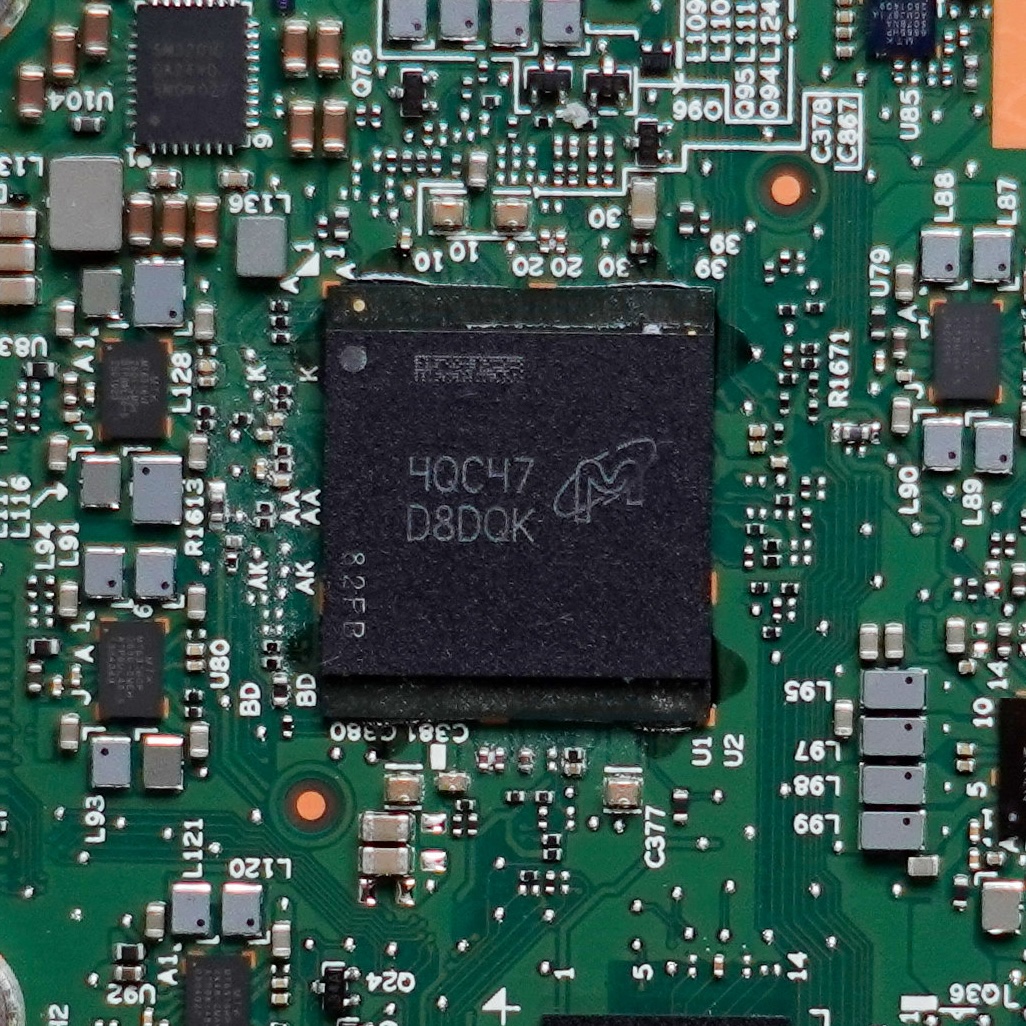
The MediaTek Kompanio Ultra 910 is a high-end ARM based SoC for Chromebooks. The Chip is similar to the Mediatek Dimensity 9400 for smartphones, but without a 5G modem and a deactivated GPU core.
The CPU no longer uses classic energy-saving cores, but the second generation of the "all big core design". In this case, there is one ARM Cortex-X925 with up to 3.62 GHz, three Cortex-X4 with up to 3.25 GHz and four Cortex-A720 with up to 2 GHz. The manufacturer has also increased the level 3 and SLC cache compared to its predecessor, which now has a capacity of 22 MB (12 MB L3 + 10 MB system cache).
The integrated ARM Immortalis-G925 with 11 cores is responsible for graphics calculations. Performance and energy efficiency are said to have improved by up to 44%.
The performance in Geekbench 6.4 is comparable with the Mediatek Dimensity 9400. Compared to a current notebook processor from Intel such as the Core Ultra 5 135U the single-core performance is slightly better, but the multi-thread performance is slightly worse.
The MediaTek NPU 890 is responsible for AI calculations.
The SoC is manufactured using the 3-nanometer process at TSMC (N3E).
| Model | Apple A18 Pro | Mediatek Kompanio Ultra 910 | ||||||||||||||||||||||||||||||||
| Series | Apple Apple A-Series | Mediatek MediaTek Kompanio | ||||||||||||||||||||||||||||||||
| Series: Apple A-Series |
| |||||||||||||||||||||||||||||||||
| Clock | 2420 - 4040 MHz | 2000 - 3620 MHz | ||||||||||||||||||||||||||||||||
| Cores / Threads | 6 / 6 2 x 4.0 GHz Apple A18 P-Core 4 x 2.4 GHz Apple A18 E-Core | 8 / 8 1 x 3.6 GHz ARM Cortex-X925 3 x 3.3 GHz ARM Cortex-X4 4 x 2.0 GHz ARM Cortex-A720 | ||||||||||||||||||||||||||||||||
| TDP Turbo PL2 | 10 Watt | |||||||||||||||||||||||||||||||||
| Technology | 3 nm | 3 nm | ||||||||||||||||||||||||||||||||
| Features | 16-core Neural Engine, USB 3.2 Gen 2 (10 Gbps) | UFS 4, LPDDR5X 10667 Mbps, NPU 890 | ||||||||||||||||||||||||||||||||
| NPU / AI | 35 TOPS INT8 | |||||||||||||||||||||||||||||||||
| Architecture | ARM | ARM | ||||||||||||||||||||||||||||||||
| Announced | ||||||||||||||||||||||||||||||||||
| Codename | Cortex-X925, X4, A720 | |||||||||||||||||||||||||||||||||
| L2 Cache | 7 MB | |||||||||||||||||||||||||||||||||
| L3 Cache | 22 MB | |||||||||||||||||||||||||||||||||
| Transistors | 29100 Million | |||||||||||||||||||||||||||||||||
| iGPU | ARM Immortalis-G925 MC11 | |||||||||||||||||||||||||||||||||
| Manufacturer | www.mediatek.com |

Benchmarks
 - Average benchmark values for this graphics card
* Smaller numbers mean a higher performance
Average Benchmarks
Apple A18 Pro → 100% n=8
Mediatek Kompanio Ultra 910 → 83% n=8

- $599.00Apple 2026 MacBook Neo 13-inch Laptop with A18 Pro chip: Built for AI and Apple Intelligence, Liquid Retina Display, 8GB Unified Memory, 256GB SSD Storage, 1080p FaceTime HD Camera; Blush
- $599.00Apple 2026 MacBook Neo 13-inch Laptop with A18 Pro chip: Built for AI and Apple Intelligence, Liquid Retina Display, 8GB Unified Memory, 256GB SSD Storage, 1080p FaceTime HD Camera; Silver
- $699.00Apple 2026 MacBook Neo 13-inch Laptop with A18 Pro chip: Built for AI and Apple Intelligence, Liquid Retina Display, 8GB Unified Memory, 512GB SSD Storage, 1080p FaceTime HD Camera, Touch ID; Silver
- $697.00Apple iPhone 16 Pro, US Version, 256GB, Black Titanium - Unlocked (Renewed)
- $761.31Apple iPhone 16 Pro, US Version, 512GB, Black Titanium - Unlocked (Renewed)


 Add as a preferred