 Deutsch
 Español
 Français
 Italiano
 Nederlands
 Polski
 Português
 Русский
 Türkçe
 Svenska
 Chinese
 Magyar
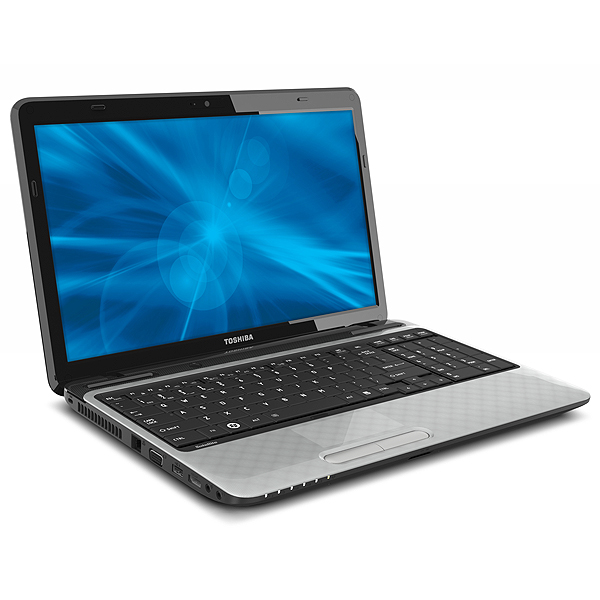
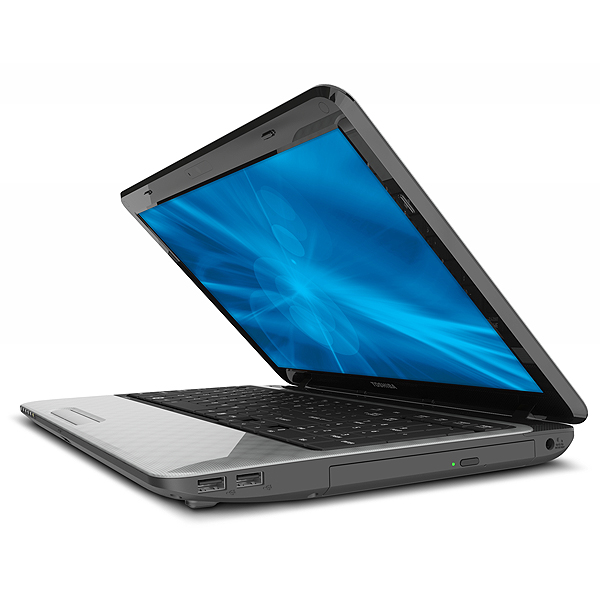
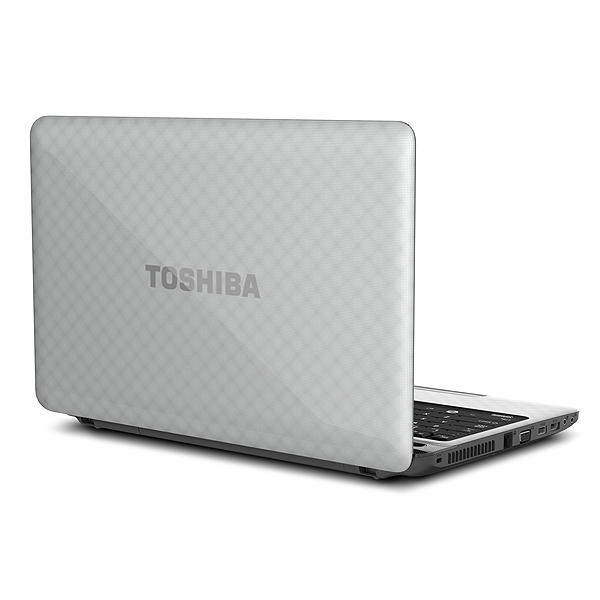
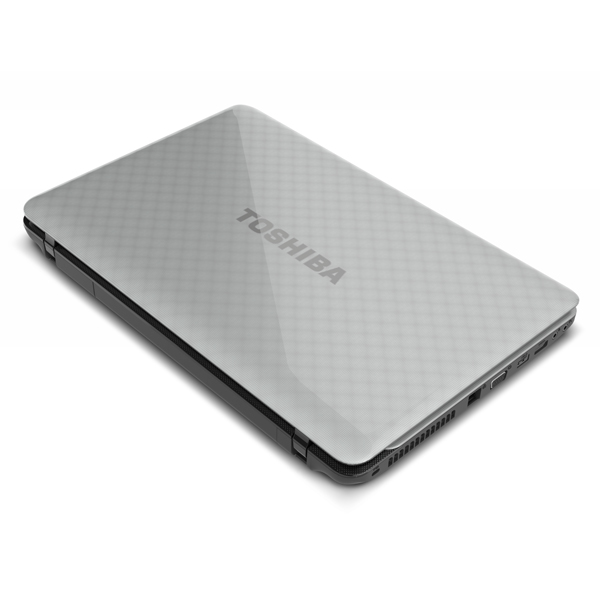
Toshiba Satellite L755-S5271
Specifications

Pricecompare
Average of 2 scores (from 3 reviews)
Reviews for the Toshiba Satellite L755-S5271
Source: Student Buying Guide
 Archive.org version
The Satellite L755 (or Satellite L750 if you configure it on Toshiba.com) is what I call a very safe choice for a laptop. It has just the right amount of speed and performance for the typical student or home user, it doesn’t break the budget and it’s design is decent though not stunning. Is the L755 built as well as a business laptop or MacBook Pro? No, but it also costs half as much. You can spend $1,000 and get a nicer laptop than the Satellite L755, but will it be twice as good as the $499 you can pay for this on Amazon.com? Not likely, so if the Satellite L755 fits your needs in a laptop, meaning you don’t need it to do any intense 3D gaming and you don’t need something that’s extremely portable and easy to carry, the Satellite L755 is it.
Single Review, online available, Short, Date: 08/30/2011
Source: Techreview Source
Archive.org versionFor the student on a budget, or the parent buying them their first laptop, the Toshiba Satellite L755-S527 is just the right fit for an inexpensive laptop that offers both productivity and entertainment features. Buyers looking for a fuller feature set in the same price range might be more interested in the Editors' Choice Asus U56E-BBL5, which has WiMAX and WiDi 2.0, in addition to a longer battery life and more powerful processor.
Single Review, online available, Short, Date: 07/27/2011
Rating: Total score: 35%
Source: PC Mag
Archive.org versionFor the student on a budget, or the parent buying them their first laptop, the Toshiba Satellite L755-S527 is just the right fit for an inexpensive laptop that offers both productivity and entertainment features. Buyers looking for a fuller feature set in the same price range might be more interested in the Editors' Choice Asus U56E-BBL5, which has WiMAX and WiDi 2.0, in addition to a longer battery life and more powerful processor.
Single Review, online available, Short, Date: 07/21/2011
Rating: Total score: 70%
Comment
Intel HD Graphics (Sandy Bridge): Processor graphics card which is integrated in the Sandy Bridge Pentium and Celeron processors. Similar to the desktop HD Graphics 2000 and not related to the old Arrandale processor graphics with the same name.
Only some 3D games with very low demands are playable with these cards.
» Further information can be found in our Comparison of Mobile Graphics Cards and the corresponding Benchmark List.
2310M:
Dual-core processor based on the Sandy Bridge architecture with an integrated graphics card and dual-channel DDR3 memory controller. The CPU is clocked at 2.1 GHz and features the Turbo Boost 2.0 only for the graphics card (650/1100MHz).
» Further information can be found in our Comparison of Mobile Processsors.
15.60":
15-inch display variants are the standard and are used for more than half of all laptops.
The reason for the popularity of mid-sized displays is that this size is reasonably easy on the eyes, often allows high resolutions and thus offers rich details on the screen, yet does not consume too much power and the devices can still be reasonably compact - simply the standard compromise.
» To find out how fine a display is, see our DPI List.2.6 kg:
With this weight, a laptop is rather heavier than average. Devices in this range shine more with screen size and performance than with mobility.
Toshiba: Toshiba Corporation is a Japanese conglomerate or technology group. The company was established in 1939 and in 1978 Toshiba became the official company name. The company's products and services include power, industrial and social infrastructure systems, elevators and escalators, electronic components, semiconductors, hard drives, printers, batteries, lighting, logistics and information technology. Toshiba was one of the largest manufacturers of personal computers, consumer electronics, home appliances and medical equipment.
52.5%: Such a poor rating is rare. There are only a few notebooks that were rated even worse. The rating websites do not give a purchase recommendation here.
» Further information can be found in our Notebook Purchase Guide.