Toshiba Satellite U505-S2930
Specifications
Price comparison
Average of 2 scores (from 2 reviews)
Reviews for the Toshiba Satellite U505-S2930
Source: Laptop Mag
 Archive.org version
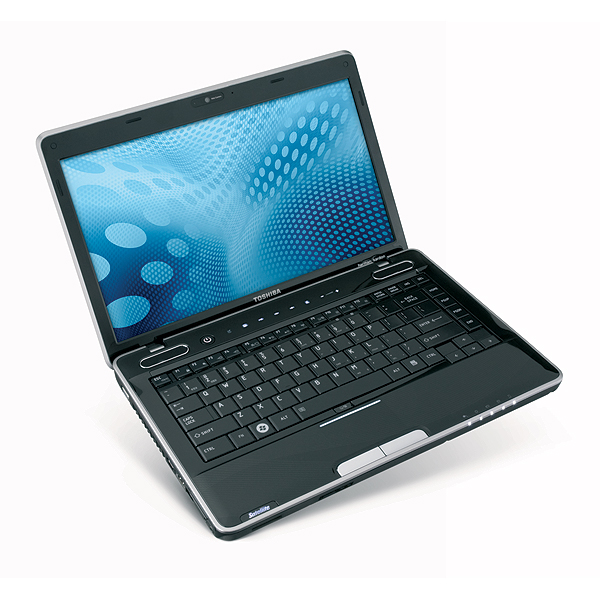
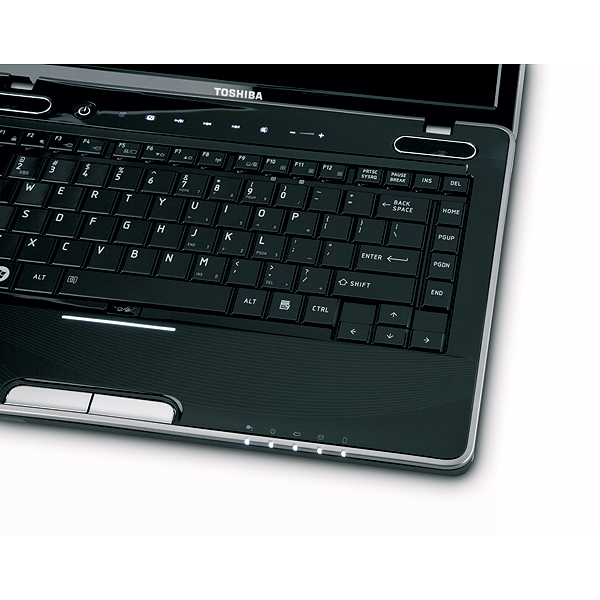
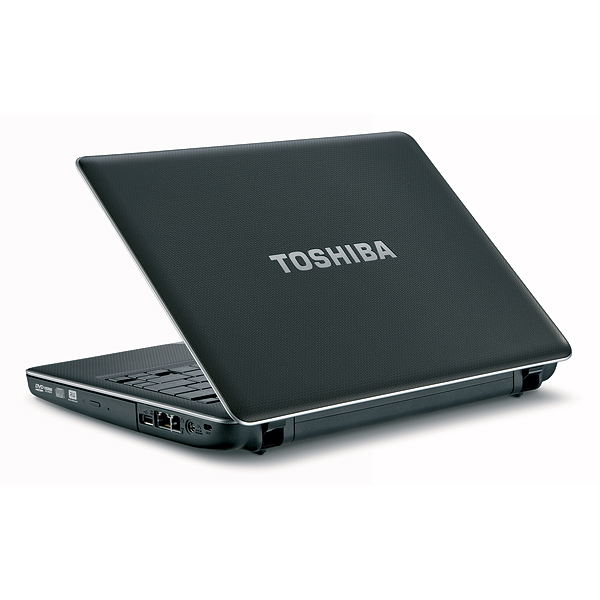
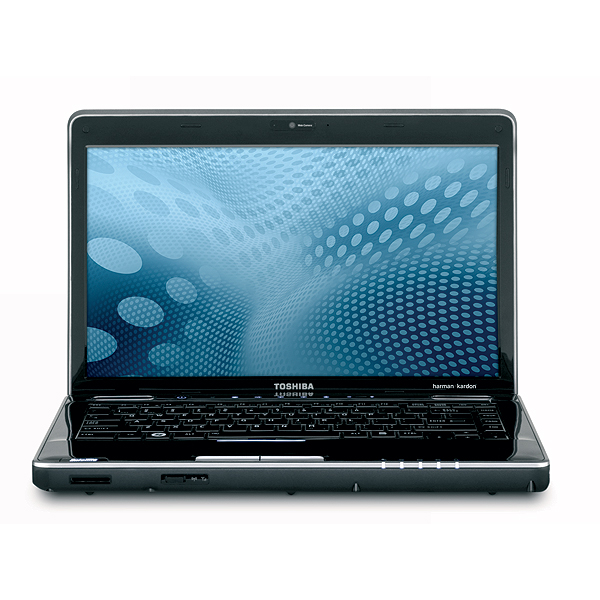
This 13-inch notebook delivers a striking design and good performance for a reasonable price. The Toshiba Satellite U505 combines style with good performance for those on a budget. In this price range, we prefer the $899 Acer Aspire 3935, which delivers 40 minutes of extra battery life and a higher-res screen in a lighter 4.2-pound brushed metal design. Nevertheless, for $799, the U505 provides good power and portability, and Toshiba includes features that enhance the computing experience.
Single Review, online available, Long, Date: 07/16/2009
Rating: Total score: 70%
Source: Computer Shopper
Archive.org versionToshiba has launched the all-new Satellite U505-S2930 into the teeth of one of the most competitive laptop segments. This 13.3-inch thin-and-light is up against the likes of the Apple MacBook Pro, Dell Studio XPS 13, and HP Pavilion dv3z. The Satellite U505-S2930 distinguishes itself among the many 13.3-inch laptops on the market with a pleasingly subtle design and decent performance. A few details expose that it’s a budget entry, but you certainly get a lot for the money.
Single Review, online available, Medium, Date: 07/01/2009
Rating: Total score: 82%
Comment
Intel Graphics Media Accelerator (GMA) 4500M: The graphics core of the Intel GL40 and GS40 chipset features a slower clocked GMA 4500MHD (400 versus 533 MHz). Because of the slower core speed, full Blu-Ray Logo support is not given and the gaming performance is a bit worse.
Only some 3D games with very low demands are playable with these cards.
» Further information can be found in our Comparison of Mobile Graphics Cards and the corresponding Benchmark List.
Intel Core 2 Duo: This is the Core Duo and Core Solo successor with a longer pipeline and 5-20% more speed without more power consumption. As an addition to the Core Duo design there exists a fourth decoder, an amplified SSE-unit and an additional arithmetical logical unit (ALU).
The Core 2 Duo for laptops is identical to the desktop Core 2 Duo processors but the notebook-processors work with lower voltages (0.95 to 1188 Volt) and a lower Frontside bus clock (1066 vs 667 MHz). The performance of equally clocked notebooks is 20-25% lower than Desktop PCs because of the lower Frontside bus clock and the slower hard disks.
T6500:
Entry level Penryn based dual-core CPU with a small 2MB level 2 cache and FSB800. Similar to the T6570 but without VT-x.
» Further information can be found in our Comparison of Mobile Processsors.
 Add as a preferred source on Google