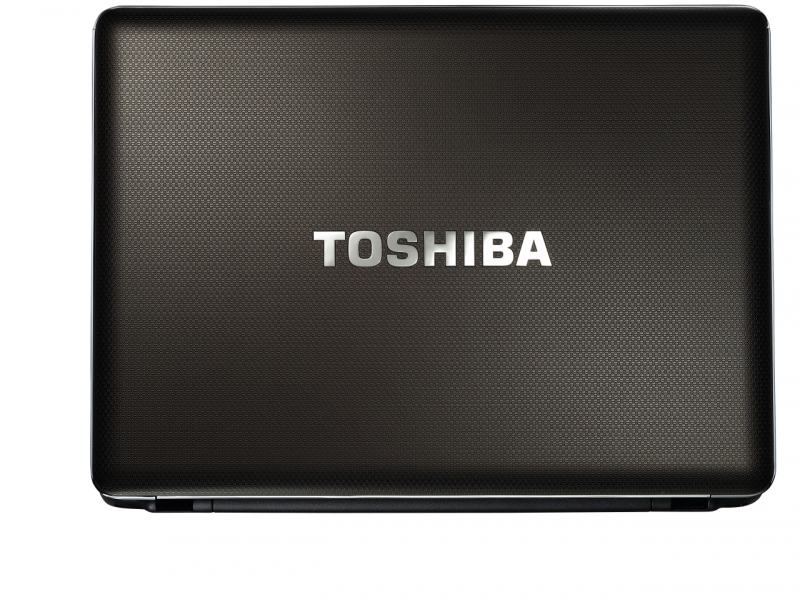
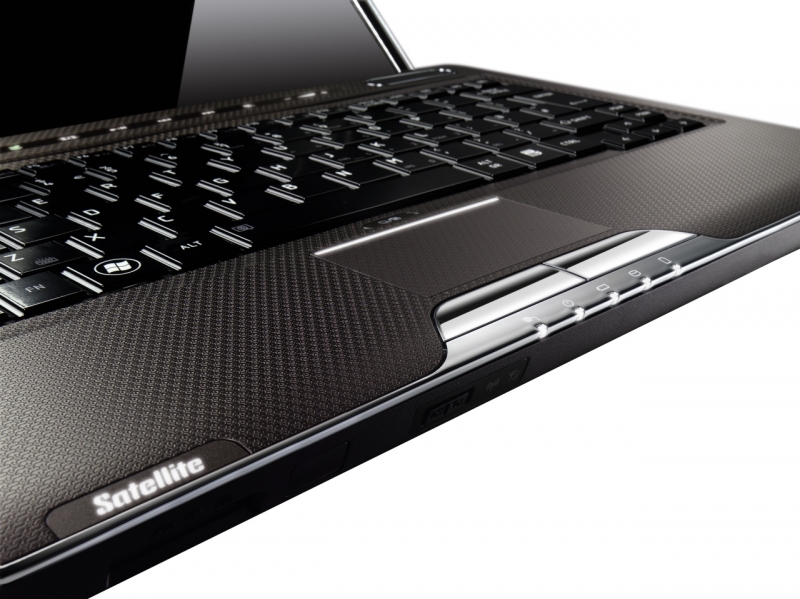
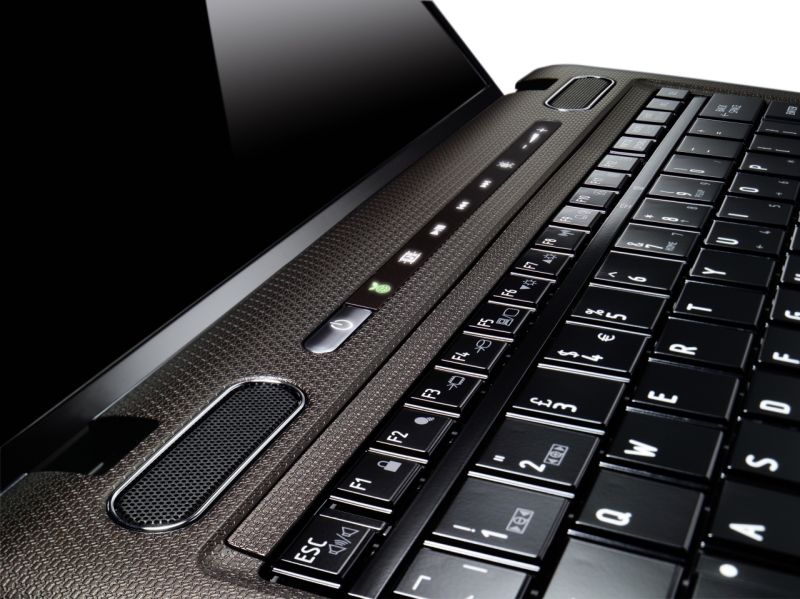
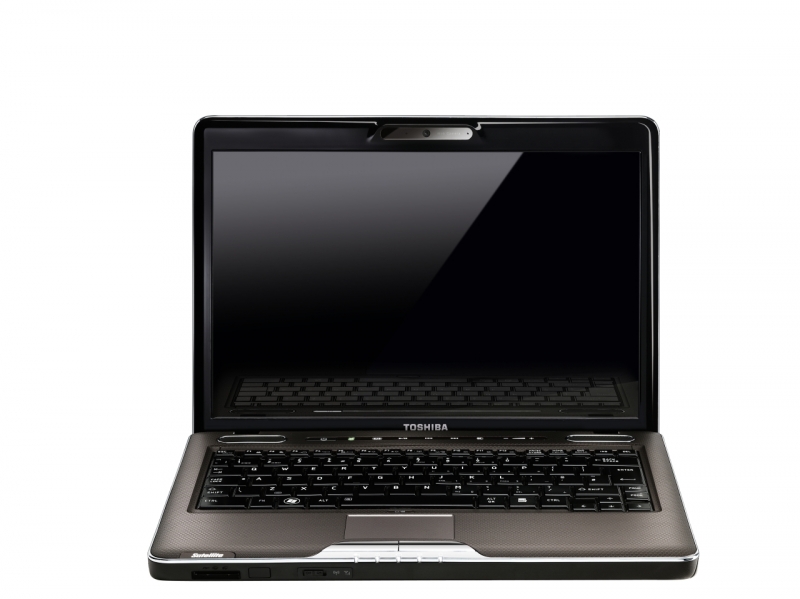
Toshiba Satellite U500-1EX
Specifications
Price comparison
Average of 7 scores (from 8 reviews)
Reviews for the Toshiba Satellite U500-1EX
Source: V3.co.uk
 Archive.org version
The U500-1EX is a compact laptop, but it's heavy and suffers from poor battery life. And with the non-touch version available for significantly less, you're paying a hefty premium for the touch screen.
Single Review, online available, Very Short, Date: 06/11/2010
Rating: Total score: 40%
Source: Computing
Archive.org versionThe U500 laptop range gets a multi-touch screen, but it doesn't come cheap. Toshiba's Satellite U500 series has been around for a while now, but the new U500-1EX is the first to offer a touch-screen display. The U500-1EX is a compact laptop, but it's heavy and suffers from poor battery life. And with the non-touch version available for significantly less, you're paying a hefty premium for the touch screen.
Single Review, online available, Short, Date: 06/11/2010
Rating: Total score: 40%
Source: Reg Hardware
Archive.org versionTouchscreen ought to be a killer app for portable computers – look what it did for mobile phones – but here in the Satellite U500-1EX it comes across as just another feature. To really make it worthwhile, Toshiba might have considered designing a built-in stylus for pen input and perhaps installing some more compelling touchscreen software. Without such sparkle to single it out, the product comes across as being merely quite good at quite a few things, which is akin to damnation by faint praise. It's also quite expensive at the suggested £821, although discounted prices are available.
Single Review, online available, Medium, Date: 05/26/2010
Rating: Total score: 65%
Source: It Pro
Archive.org versionWe see what Toshiba was trying to do with this laptop, giving it something a bit different to entice the user to its models. Unfortunately as much as the laptop itself is not a bad machine, the extra bit of individuality makes the performance suffer and all in all feels a tad pointless.
Single Review, online available, Short, Date: 05/21/2010
Rating: Total score: 50%
Source: Techradar
Archive.org versionToshiba's Satellite U500 Series is aimed at mobile professionals and previous models have impressed us with their blend of style, comfort and quality. The Satellite U500-1EX comes with an impressive range of features and only a couple of flaws that hold it back.
Single Review, online available, Short, Date: 05/06/2010
Rating: Total score: 70%
Source: IT Reviews
Archive.org versionWhen you first take the Toshiba Satellite U500-1EX out of the box, you know there's something a little different about this laptop. The Toshiba Satellite U500-1EX has a smart, innovative design, packs a fair bit of power under the bonnet and has a commendable array of multi-touch abilities and peripherals. But it's let down by poor screen quality and relatively low battery life.
Single Review, online available, Short, Date: 04/08/2010
Rating: display: 40% mobility: 40%
Source: Electricpig
Archive.org versionToshiba wants to buck the laptop trend with the U500-1EX, eschewing the overall move towards Apple-like looks and super-slim design. Not to mention loading it up with touchscreen tech that some manufacturers just don’t seem too keen on. Does this make it a winner?
Single Review, online available, Long, Date: 03/31/2010
Rating: Total score: 60%
Source: Trusted Reviews
Archive.org versionWe first looked at Toshiba's U500, the company's 13.3in laptop, last year in the form of the Satellite U500-178. We were generally impressed, particularly with the performance of our top-of-the-line model, even if the battery life failed to live up to expectations. Good performance and a generous set of features stand the U500-1EX in good stead, but it's too bulky and cumbersome for genuine mobile use and the touchscreen is largely superfluous.
Single Review, online available, Medium, Date: 03/29/2010
Rating: Total score: 60% price: 60% performance: 80% features: 80% mobility: 60%
Comment
Intel Graphics Media Accelerator (GMA) HD Graphics: Onboard graphics card that is built in the new Arrandale CPUs (Core i3 / i5 / i7 Dual Cores). Depending on the model and Turbo Boost, the GMA HD is clocked between 166 and 766 MHz.
Only some 3D games with very low demands are playable with these cards.
» Further information can be found in our Comparison of Mobile Graphics Cards and the corresponding Benchmark List.
330M:
The Core i3-330M is a slower clocked 350M and therefore also lacks the Turbo Boost feature and clocks with max. 2.13 GHz. Thanks to Hyperthreading, 4 threads can be processed simultaneously. An integrated graphics card (GMA HD 3150) and a DDR3 memory controller are also included in the package.
» Further information can be found in our Comparison of Mobile Processsors.
 Add as a preferred source on Google