


 Deutsch
 Español
 Français
 Italiano
 Nederlands
 Polski
 Português
 Русский
 Türkçe
 Svenska
 Chinese
 Magyar


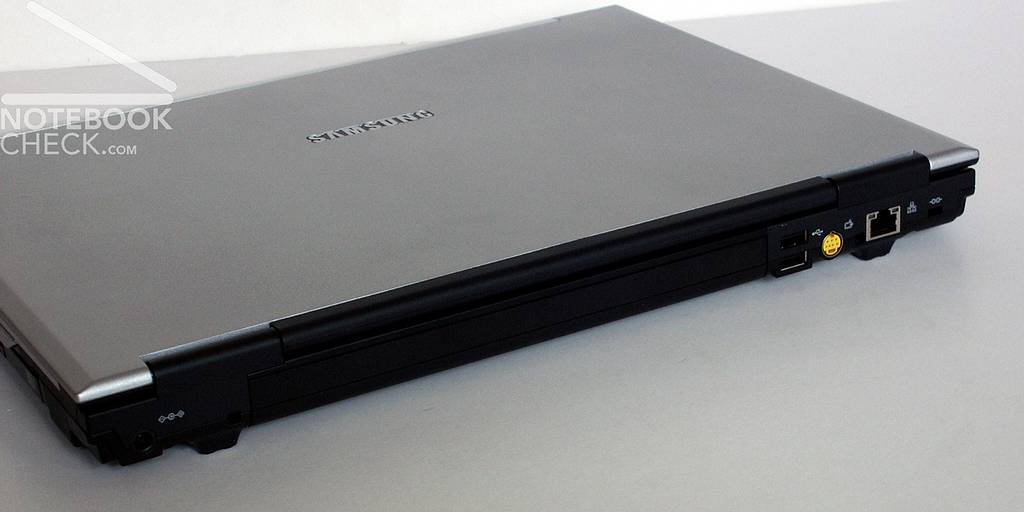
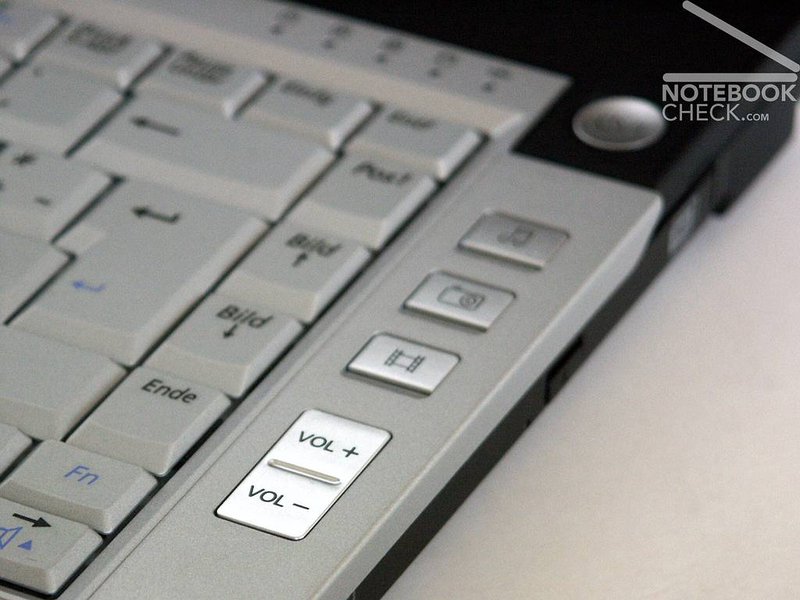
Samsung X60-T2300 Chane
Specifications
Pricecompare
Average of 4 scores (from 9 reviews)
Reviews for the Samsung X60-T2300 Chane
Source: Notebookreview.com
 Archive.org version
Das X60 sollte auf der Prüfliste für jeden stehen, der nach einem leichtgewichtigen 15.4 Zoll Widescreen Computer sucht. Die Verarbeitung scheint nicht durch das niedrige Gewicht beeinträchtigt zu sein. Das getestete Modell verfügt über die langsamste der Core Duo CPUs und einen Grafik Prozessor von mittlerem Niveau. Die Gesamtleistung ist aber durchaus besser als die der früheren Notebook-Generation. Obwohl die Festplatte nominell 100 GB bietet, blieben nur 86 GB übrig, nachdem formattiert und AVStation Now Software instaliert wurde. [übersetzt]
umfangreicher Erfahrungsbericht eines Benutzers; online abrufbar
Single Review, , Length Unknown, Date: 04/06/2006
Foreign Reviews
Source: Chip.de
 DE→EN Archive.org version
Comparison, online available, Very Short, Date: 11/04/2006
Rating: Total score: 77% price: 60% performance: 80% features: 95% display: 80% mobility: 66% ergonomy: 92%
Source: PC Welt
DE→EN Archive.org versionSingle Review, online available, Short, Date: 05/04/2006
Rating: Total score: 83% price: 82% performance: 83% features: 81% ergonomy: 91%
Source: PC Praxis
DE→EN Archive.org versionSingle Review, , Length Unknown, Date: 05/01/2006
Rating: Total score: 97%
Source: Com!
DE→EN Archive.org versionSingle Review, , Length Unknown, Date: 05/01/2006
Source: Notebookjournal
DE→EN Archive.org versionSingle Review, online available, Short, Date: 03/16/2006
Rating: performance: 100% features: 100% display: 80% mobility: 84%
Source: Chip.de
DE→EN Archive.org versionSingle Review, online available, Short, Date: 03/01/2006
Rating: Total score: 84% performance: 100% features: 97% display: 80% mobility: 66% ergonomy: 78%
Source: Notebook / Organizer / Handy
DE→EN Archive.org versionSingle Review, , Length Unknown, Date: 03/01/2006
Source: Connect
DE→EN Archive.org versionSingle Review, , Length Unknown, Date: 03/01/2006
Comment
Intel Graphics Media Accelerator (GMA) 950: Intel Graphics Media Accelerator 950 is an integrated (onboard) graphic chip on Mobile Intel 945GM chipset. It is a faster clocked version of the GMA 900 and supports no hardware T&L (Transform & Lightning) accelleration (which is required for some games).
These graphics cards are not suited for Windows 3D games. Office and Internet surfing however is possible.
» Further information can be found in our Comparison of Mobile Graphics Cards and the corresponding Benchmark List.
Intel Core Duo: Double Core processor with a very good relation of performance to current consumption. The 2 MB L2 Cache are used together by the double. The maximum capacity of 31 watts is only 4 watts more than with the Pentium M (predecessor). Both cores are lowered automatically and independently of each other by speed steps down to 1 GHz. In addition it now supports also SSE3 instructions. At least it is just as fast as a equivalent Pentium M. With applications, which were designed for multi-processors, the performance can be nearly twice as fast as with the Pentium M (e.g. CineBench around 86% fast)
T2300: » Further information can be found in our Comparison of Mobile Processsors.
15.40":
15-inch display variants are the standard and are used for more than half of all laptops.
The reason for the popularity of mid-sized displays is that this size is reasonably easy on the eyes, often allows high resolutions and thus offers rich details on the screen, yet does not consume too much power and the devices can still be reasonably compact - simply the standard compromise.
» To find out how fine a display is, see our DPI List.Samsung: Samsung Group is the largest South Korean conglomerate and was founded in 1938. Samsung Group employed 489,000 people in 2014 and is one of the world's largest companies in terms of revenue and market strength. The name Samsung means "Three Stars" in Korean and represents the three sons of the company's founder. The company was founded in 1938 as a grocery store. With its subsidiary Samsung Electronics, founded in 1969, Samsung took up the production of electrotechnical items, focusing on consumer electronics and household appliances at an early stage. Other branches in which the large corporation is active include mechanical engineering, automobiles (Hyundai), insurance, wholesale, real estate and leisure. Samsung manufactures a wide range of electronic products, including smartphones, televisions, home appliances and semiconductors. The company's Galaxy line of smartphones is one of the most popular in the world. Samsung is also a major player in the semiconductor industry, making memory chips and processors for many other electronics manufacturers.
85.25%: This is an above-average rating. Nevertheless, it should not be forgotten that about one fifth of all tested models receive a better rating.
» Further information can be found in our Notebook Purchase Guide.