Notebookcheck

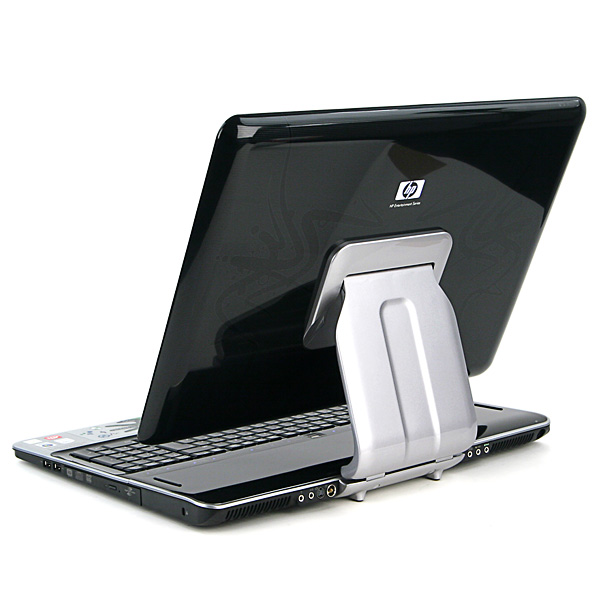
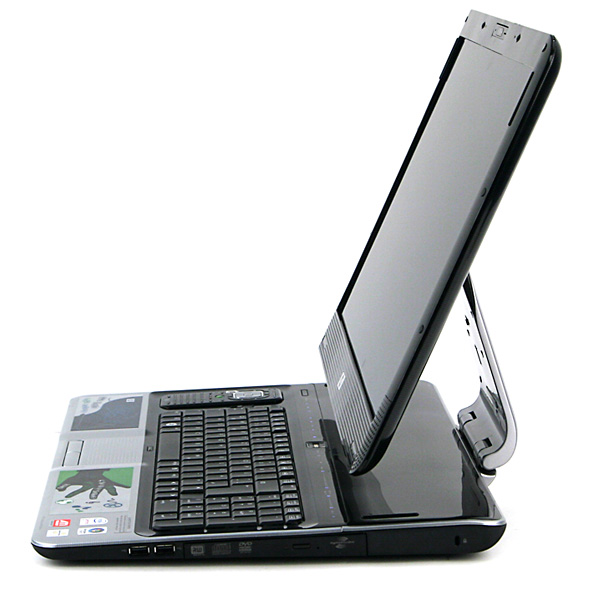
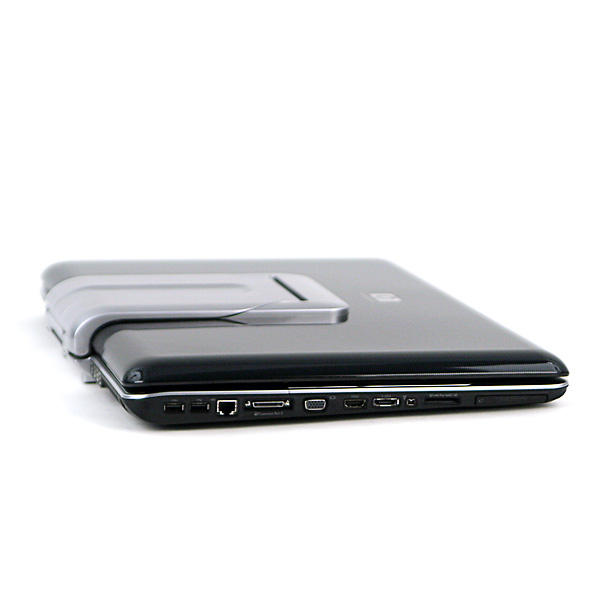
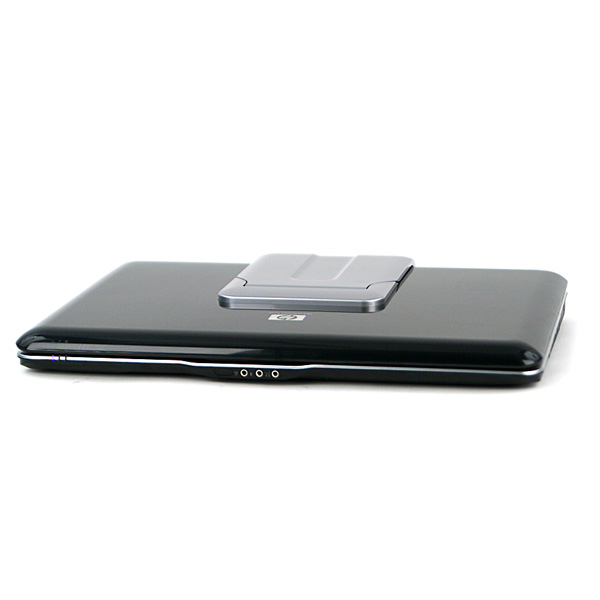
HP Pavilion HDX9320EG

Notebook Specifications

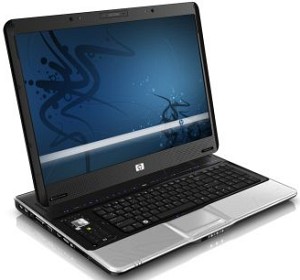
HP Pavilion HDX9320EGNotebook: HP Pavilion HDX9320EG (Pavilion HDX9000 Series)
Processor: Intel Core 2 Duo T8100
Graphics Adapter: NVIDIA GeForce 8800M GTS
Display: 20.1 inch, 16:10, 1680x1050 pixels, glossy: yes
Weight: 7.1kg
Price: 1500 euro
Average Score: 83% - good
Average of 1 scores (from 1 reviews)

Reviews for the HP Pavilion HDX9320EG

83% HP Pavilion HDX9320EA
Source: PC Pro English

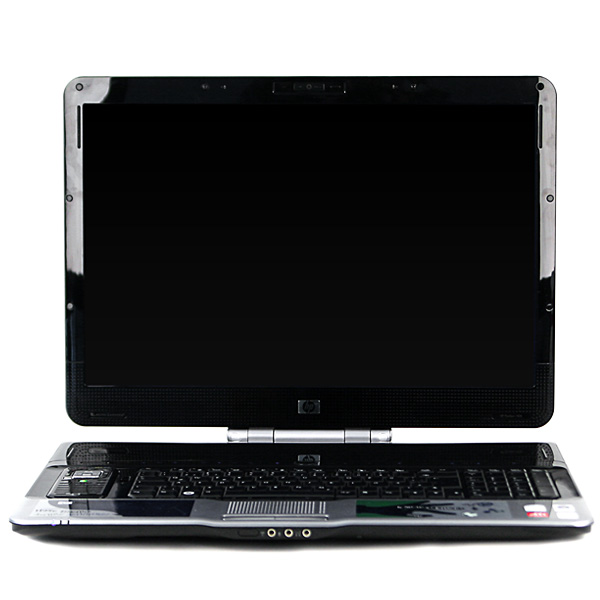
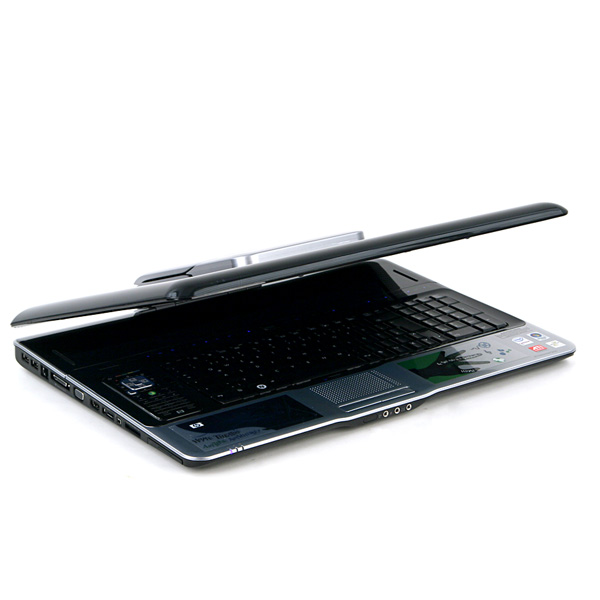
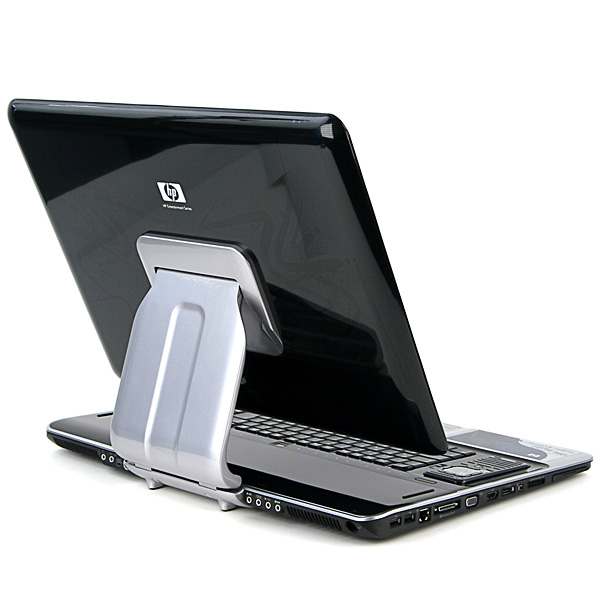
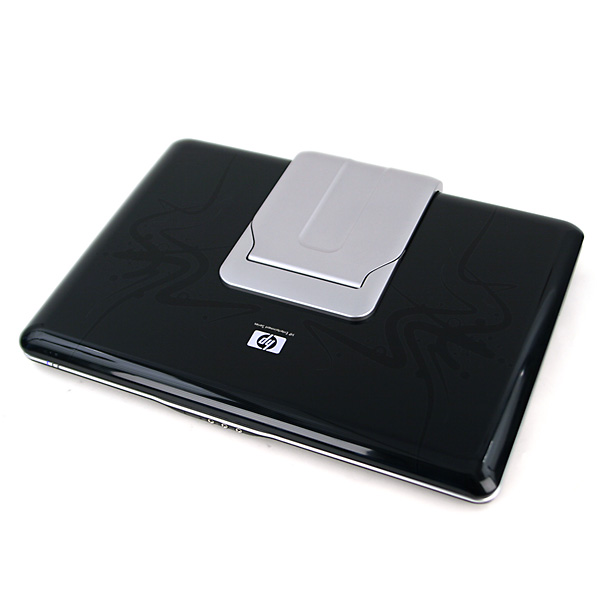
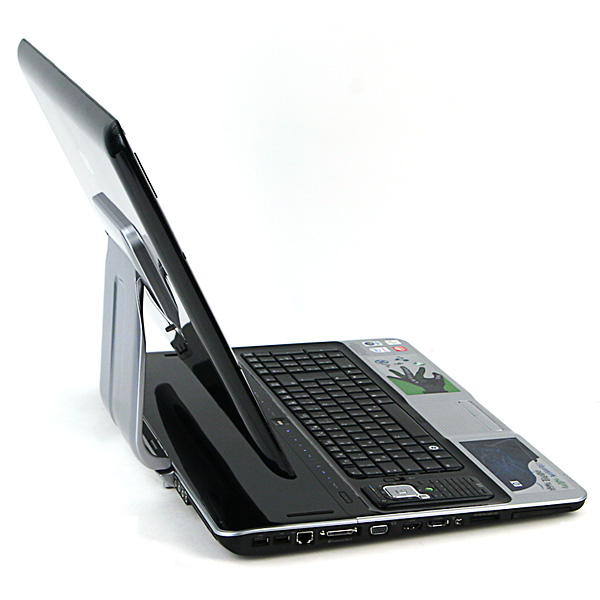
Fastest, lightest, smallest, these are all superlatives that laptop manufacturers are keen to see associated with their products. Strange, then, that HP's latest 'portable' is the largest and heaviest laptop we have ever seen. At 7kg in weight, even without the beefy 1.2kg charger, it's a struggle to lift this behemoth. HP's latest desktop replacement proves that big can indeed be beautiful.


5 von 6
Single Review, online available, Short, Date: 08/01/2008
Rating: Total score: 83%

Comment

NVIDIA GeForce 8800M GTS: The Nvidia GeForce 8800M GTS is based upon the Desktio G92 chip and offers a better performance than the GeForce 8700M GT due to a 256 bit memory bus and much more Shaders. The amount of shaders is lower than with the GTX version (64 versus 96).

These cards should be able to display all current games with fluent framerates but not all with high detail settings. Especially demanding games like Crysis, Age of Conan, or Mass Effect are only playable with lower settings. Less demanding (and older) games, like Fifa 08, Command & Conquer 3, or Battlefield 2142 can be played with higher detail levels.


>> Further information can be found in our Comparison of Mobile Graphics Cards and the corresponding Benchmark List.

Intel Core 2 Duo: This is the Core Duo and Core Solo successor with a longer pipeline and 5-20% more speed without more power consumption. As an addition to the Core Duo design there exists a fourth decoder, an amplified SSE-unit and an additional arithmetical logical unit (ALU).

The Core 2 Duo for laptops is identical to the desktop Core 2 Duo processors but the notebook-processors work with lower voltages (0.95 to 1188 Volt) and a lower Frontside bus clock (1066 vs 667 MHz). The performance of equally clocked notebooks is 20-25% lower than Desktop PCs because of the lower Frontside bus clock and the slower hard disks.

T8100:
>> Further information can be found in our Comparison of Mobile Processsors.

20.1": This format for notebook displays exists since 2006 for giant desktop replacement laptops and yet is rarely used. There does not exist any bigger screen for laptops. Critics request or deny, that these devices can be called notebook, laptop or mobile computer. The DTR-Laptops can't be carried easily, need much current, but on the other side texts can be read easily and high resolutions are no problem. DTR mainly are intended for stationary usage on desks, where the weight and the energy need are unimportant.

>> To find out how fine a display is, see our DPI List.

7.1 kg: This laptop is extremely heavy. Even babys can be carried easier. Only few desktop replacements with 20 inch display fit in this class of weight.

HP: The Hewlett-Packard Company, founded 1935, commonly referred to as HP, is a technology corporation headquartered in California, United States. HP specializes in developing and manufacturing computing, storage, and networking hardware, software and services. Major product lines include personal computing devices, enterprise servers, related storage devices, as well as a diverse range of printers and other imaging products. Other product lines, including electronic test equipment and systems, medical electronic equipment, solid state components and instrumentation for chemical analysis. HP posted US $91.7 billion in annual revenue in 2006, making it the world's largest technology vendor in terms of sales. In 2007 the revenue was $104 billion, making HP the first IT company in history to report revenues exceeding $100 billion. Market share regarding sales of personal computers in 2007 (market research IDC): HP 18.9 %, Dell 16.4 %, Acer 9.9 %, Lenovo 7.5 %, Apple 5.7 %

HP reviews

83%: This rating is to be considered as average, because the amount of notebooks with better ratings is about equal like the amount with worse ratings.

>> Further information can be found in our Notebook Purchase Guide.


Author: Stefan Hinum, 2008-06- 7 (Update: 2009-10-30)