 Deutsch
 Español
 Français
 Italiano
 Nederlands
 Polski
 Português
 Русский
 Türkçe
 Svenska
 Chinese
 Magyar
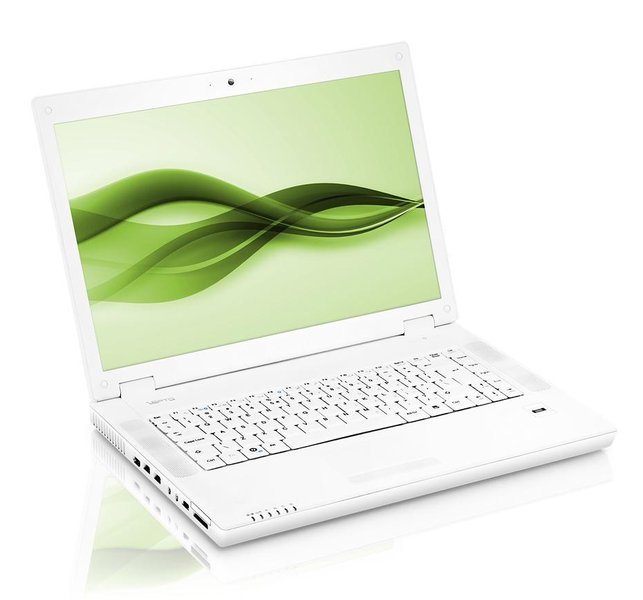
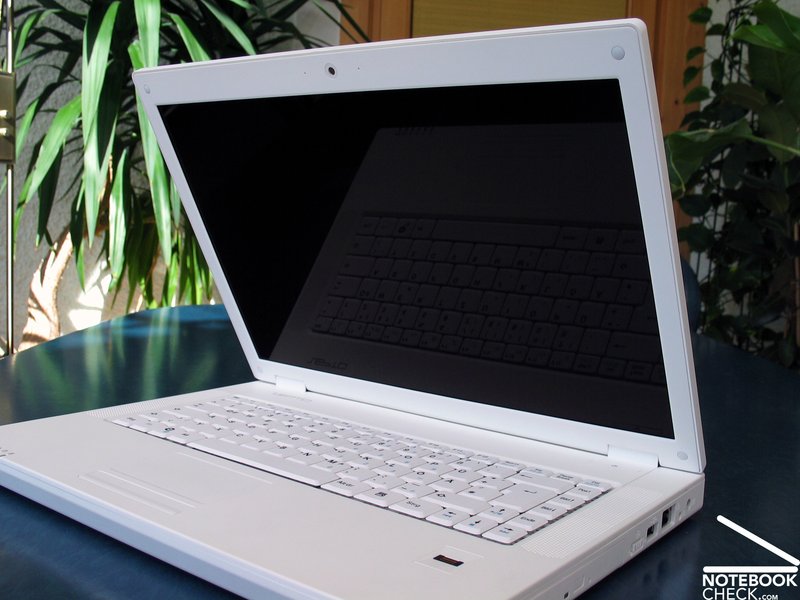
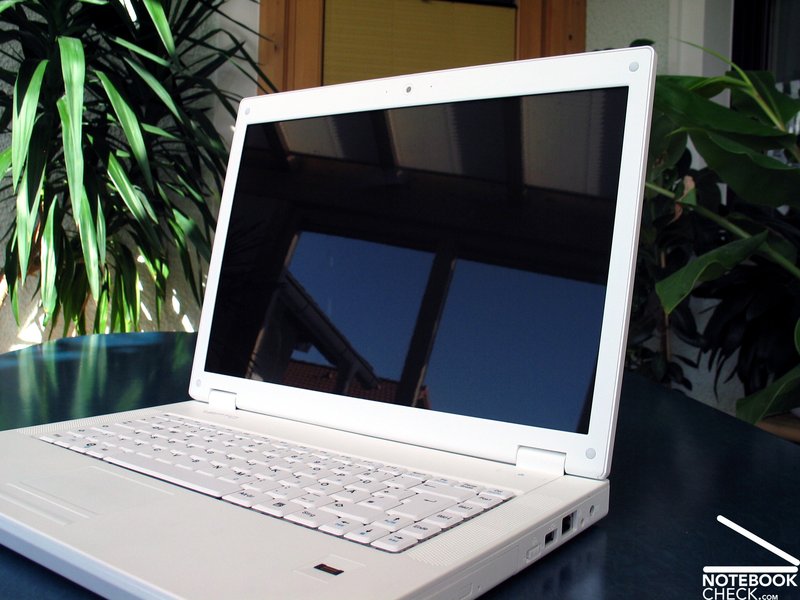
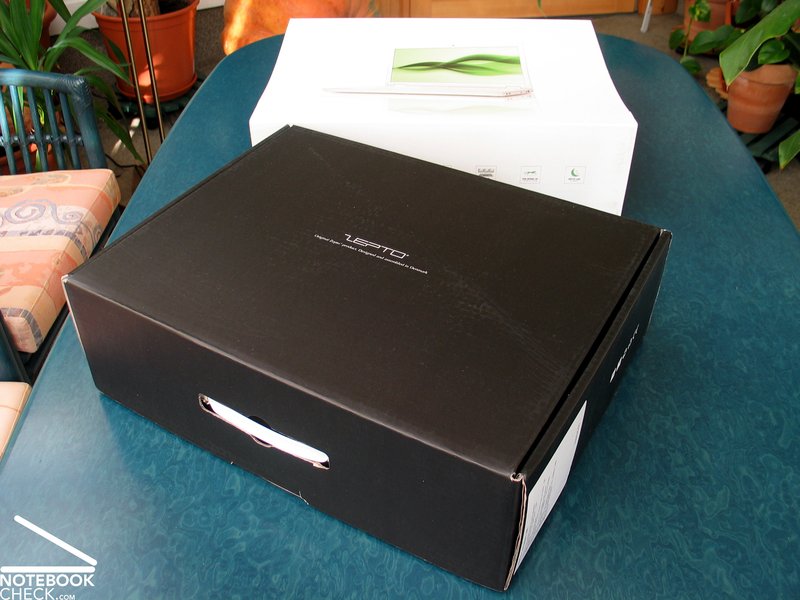
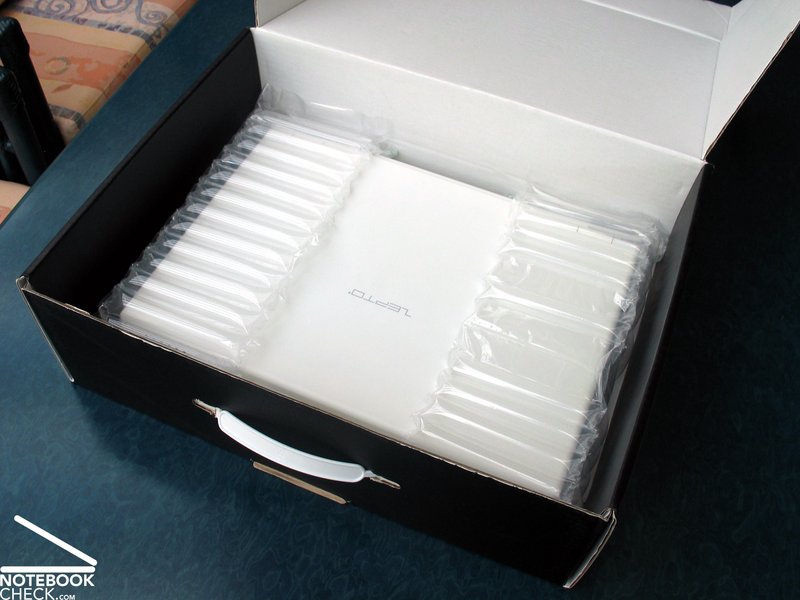
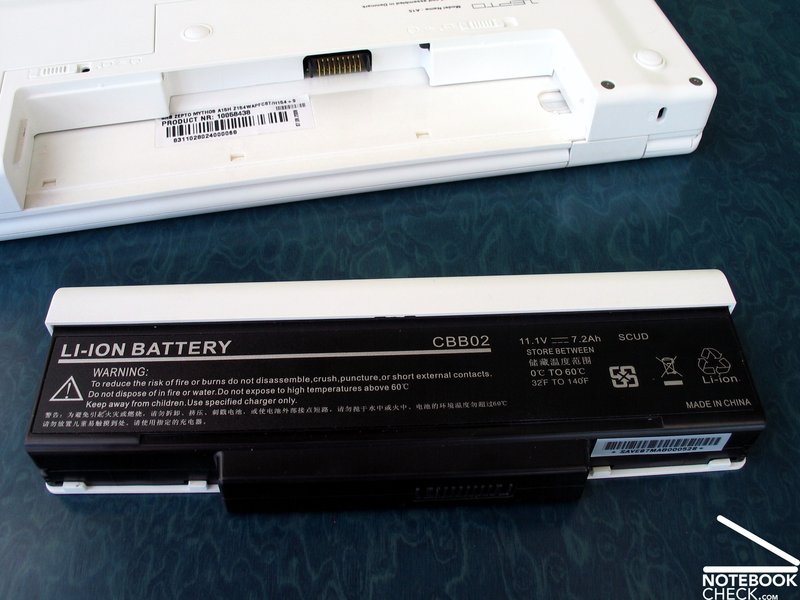
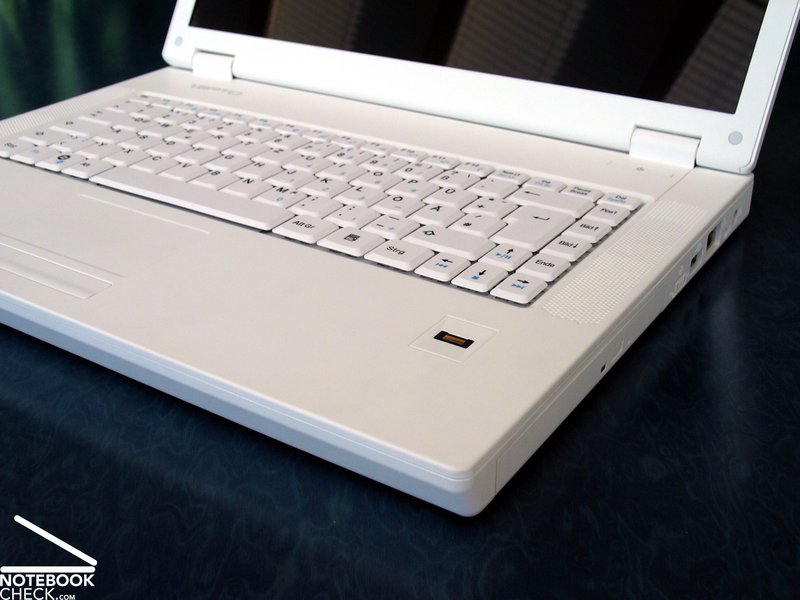
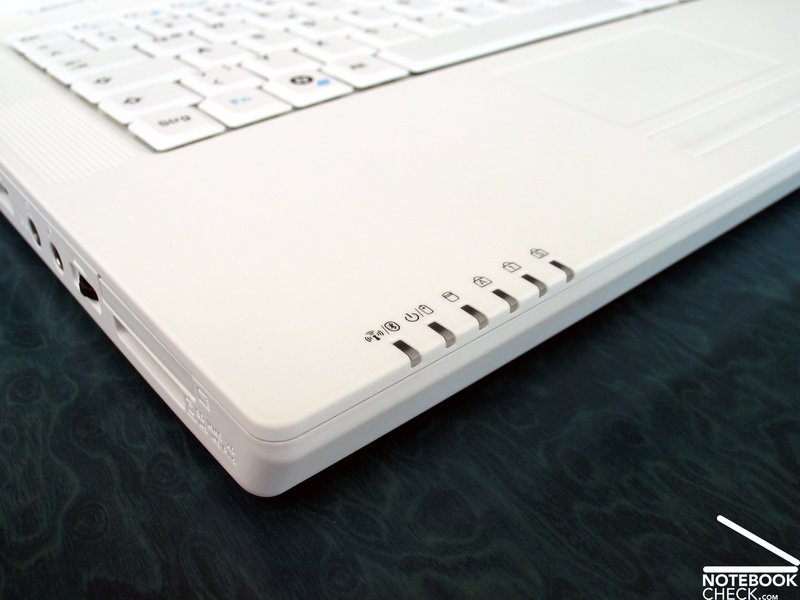
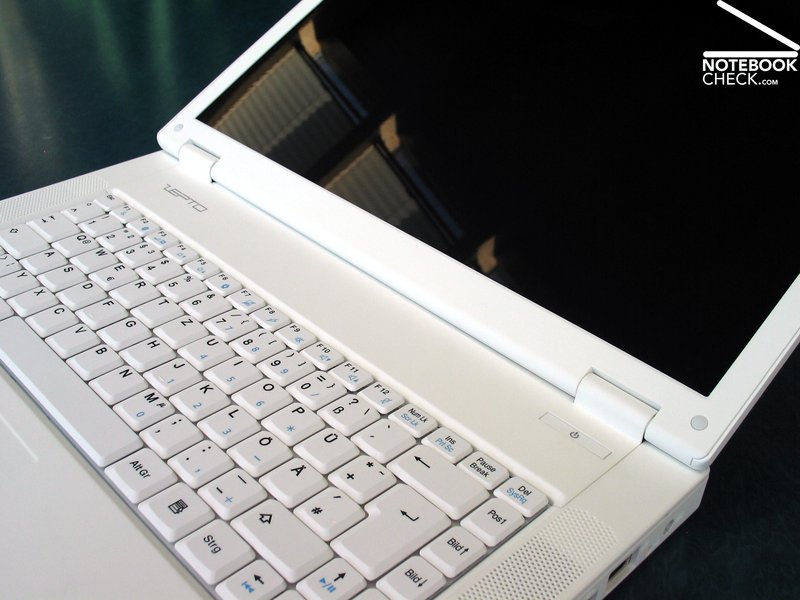
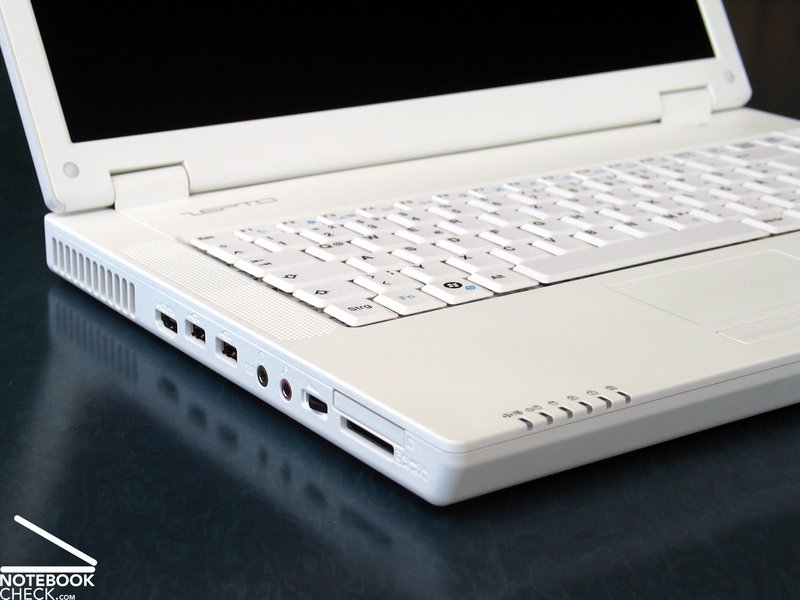
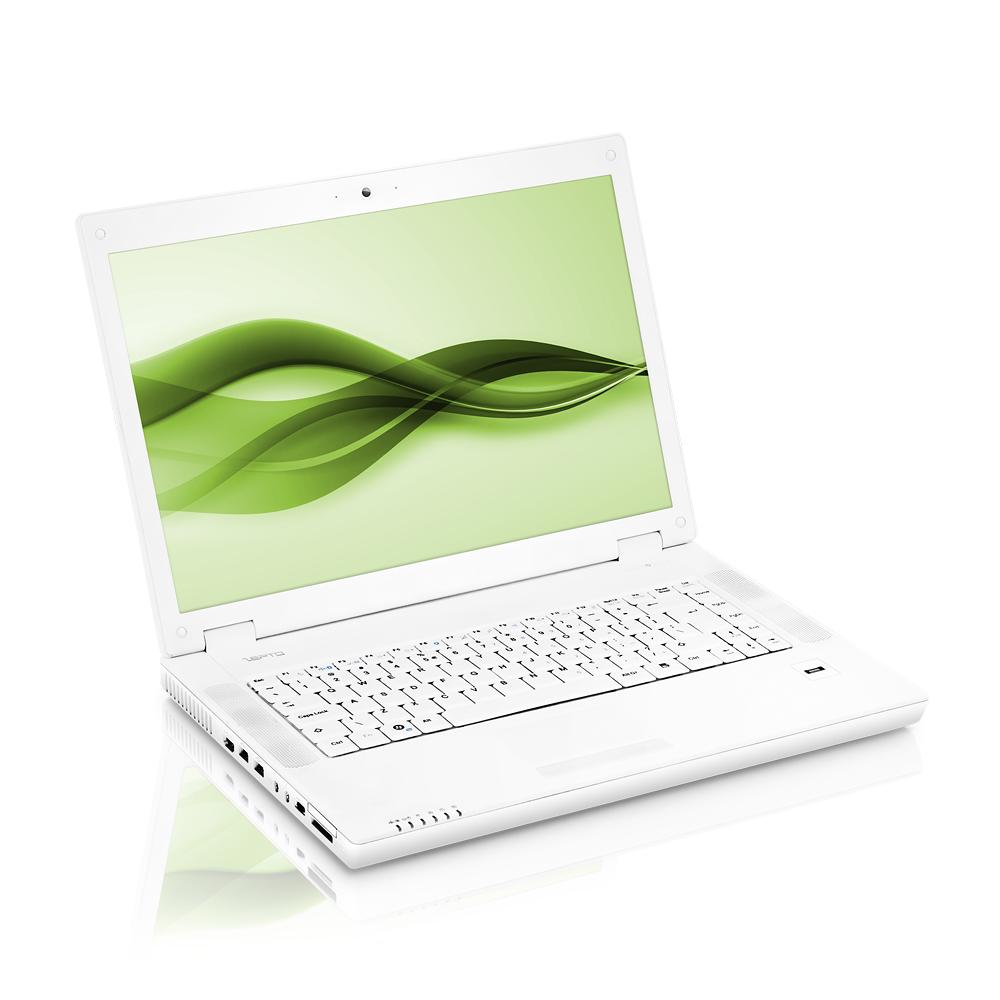
Zepto Mythos A15
Specifications
Pricecompare
Average of 3 scores (from 2 reviews)
Reviews for the Zepto Mythos A15
Waiting is over... After the first excitement about the new notebook series of the danish notebook producer Zepto at the beginning of last summer, Zepto disappeared from the news. However, it seems as if Zepto is now ready to actually deliver the new multimedia all-rounders with outstanding design to customers.
Source: PC Games Hardware - 3/09

Comparison, online available, Length Unknown, Date: 02/01/2009
Rating: Total score: 94% price: 60%
Source: Notebookcheck
DE→EN Archive.org versionSingle Review, online available, Long, Date: 10/28/2008
Rating: Total score: 84% performance: 91% display: 88% mobility: 76% workmanship: 84% ergonomy: 83% emissions: 76%
Comment
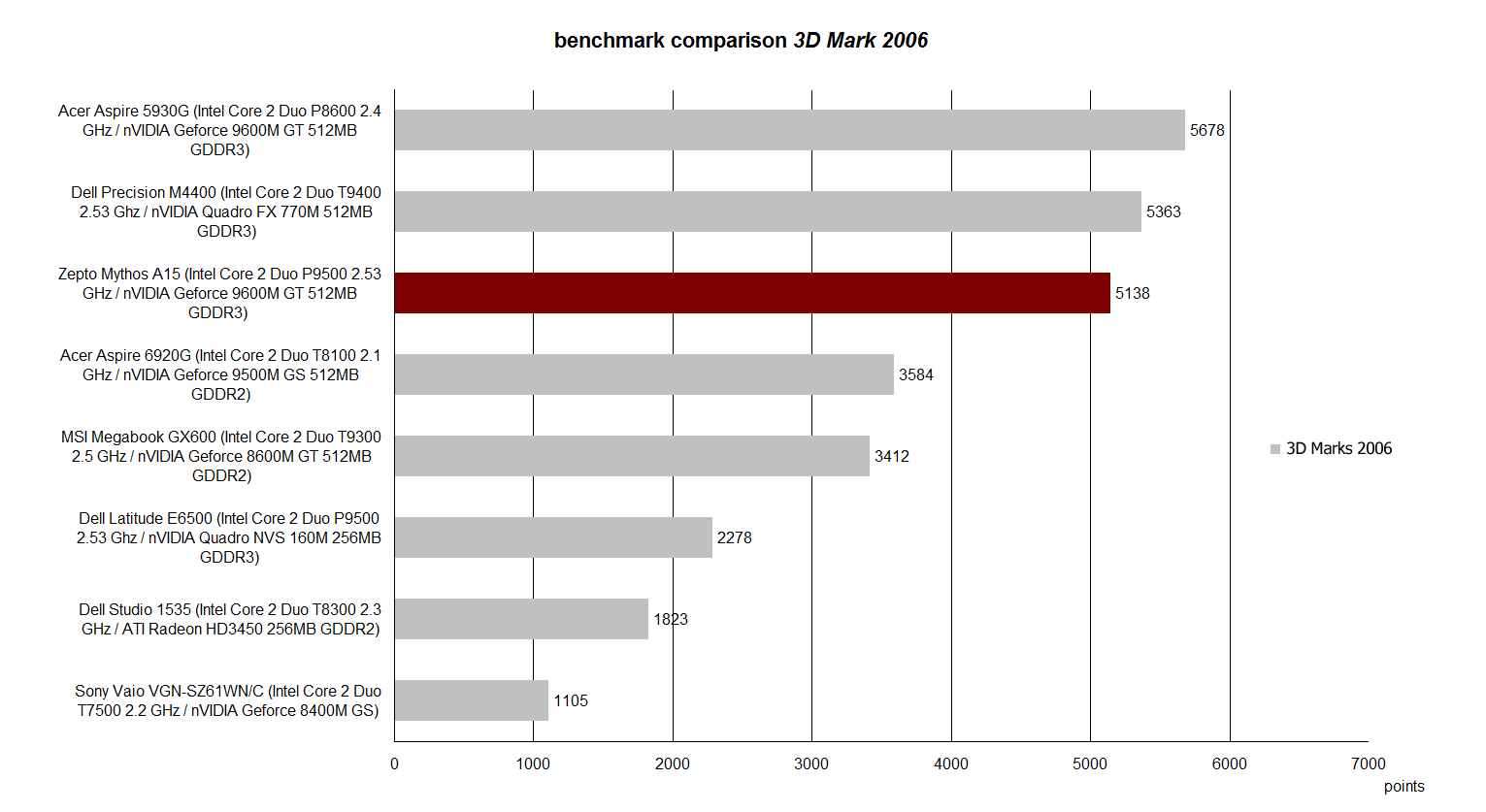
NVIDIA GeForce 9600M GT: Successor of the 8600M GT and because of the smaller 65nm production process the card is higher clocked (and therefore faster) with the same current consumption.Furthermore, it features an improved video processor (VP3) and HybridPower to save current (in conjunction with the 9100M G).
Non demanding games should be playable with these graphics cards.
» Further information can be found in our Comparison of Mobile Graphics Cards and the corresponding Benchmark List.
Intel Core 2 Duo: This is the Core Duo and Core Solo successor with a longer pipeline and 5-20% more speed without more power consumption. As an addition to the Core Duo design there exists a fourth decoder, an amplified SSE-unit and an additional arithmetical logical unit (ALU).
The Core 2 Duo for laptops is identical to the desktop Core 2 Duo processors but the notebook-processors work with lower voltages (0.95 to 1188 Volt) and a lower Frontside bus clock (1066 vs 667 MHz). The performance of equally clocked notebooks is 20-25% lower than Desktop PCs because of the lower Frontside bus clock and the slower hard disks.
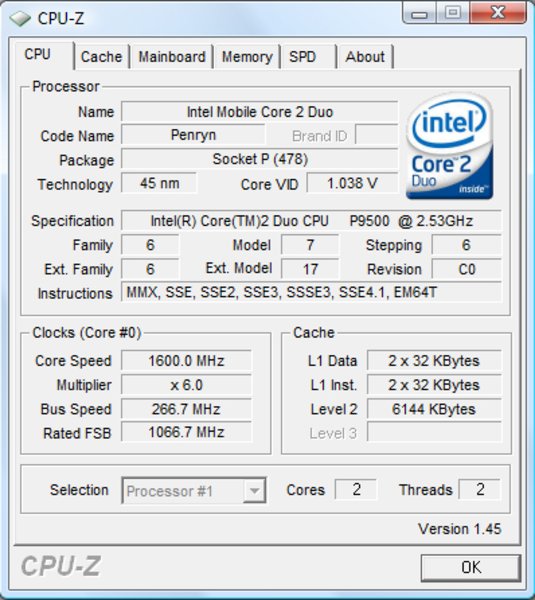
P9500:
The P9500 is a fast middle class dual core CPU for laptops and basically a Core 2 Duo T9400 with only 25 Watt TDP.
» Further information can be found in our Comparison of Mobile Processsors.15.40":
15-inch display variants are the standard and are used for more than half of all laptops.
The reason for the popularity of mid-sized displays is that this size is reasonably easy on the eyes, often allows high resolutions and thus offers rich details on the screen, yet does not consume too much power and the devices can still be reasonably compact - simply the standard compromise.
» To find out how fine a display is, see our DPI List.3.05 kg:
A laptop with this weight is comparatively heavy and less designed for mobility than for use at the desk. Therefore, the devices tend to shine less with battery life than with a large screen and higher performance.
Zepto: Danish Zepto was established in 2002 with the purpose of supplying information technology products for Mobile Electronics and Digital Home. Today Zepto is Europe’s largest local manufacturer of notebook PC’s (if you count the producing factories in Turkey to Europe) and is represented in 19 countries. Zepto is a small Danish laptop manufacturer with a low market share in Europe. Starting with 2007, some laptop reviews for Zepto notebooks have been published, especially in Central Europe.
87.33%: This is an above-average rating. Nevertheless, it should not be forgotten that about one fifth of all tested models receive a better rating.
» Further information can be found in our Notebook Purchase Guide.