 Deutsch
 Español
 Français
 Italiano
 Nederlands
 Polski
 Português
 Русский
 Türkçe
 Svenska
 Chinese
 Magyar
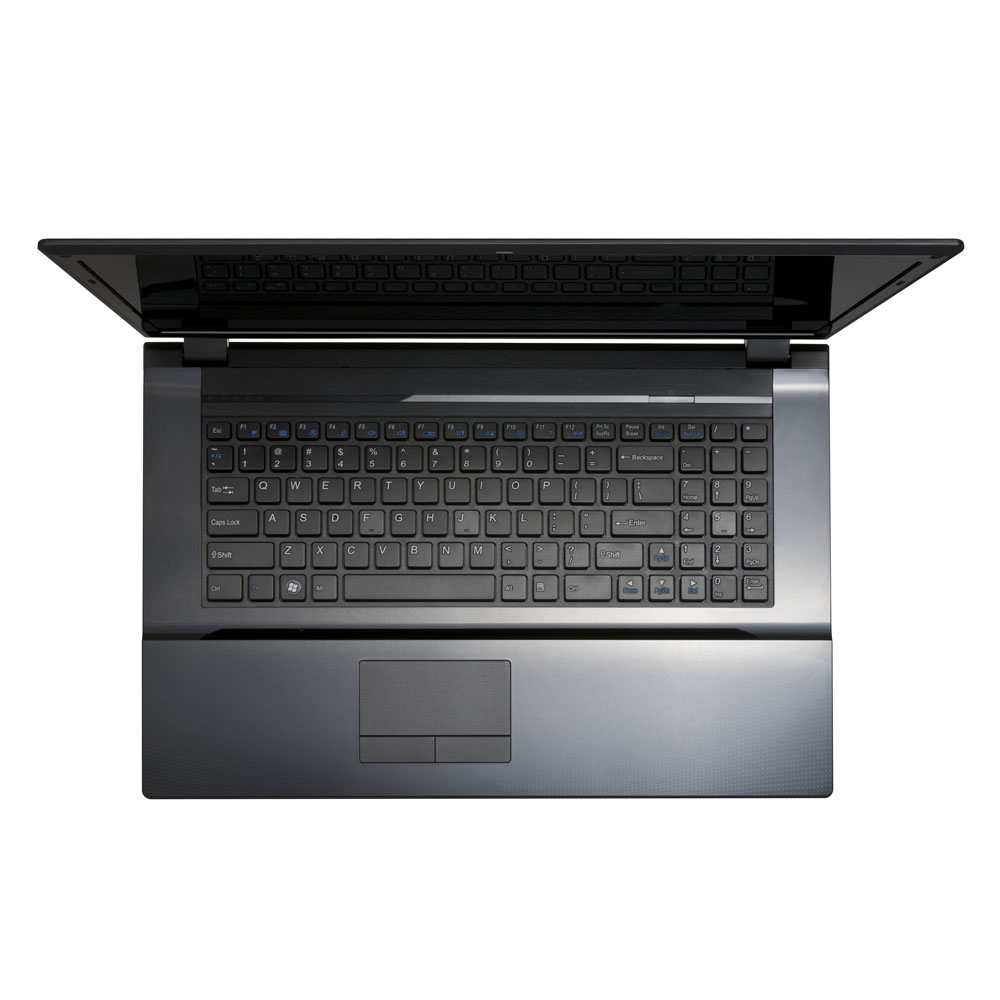
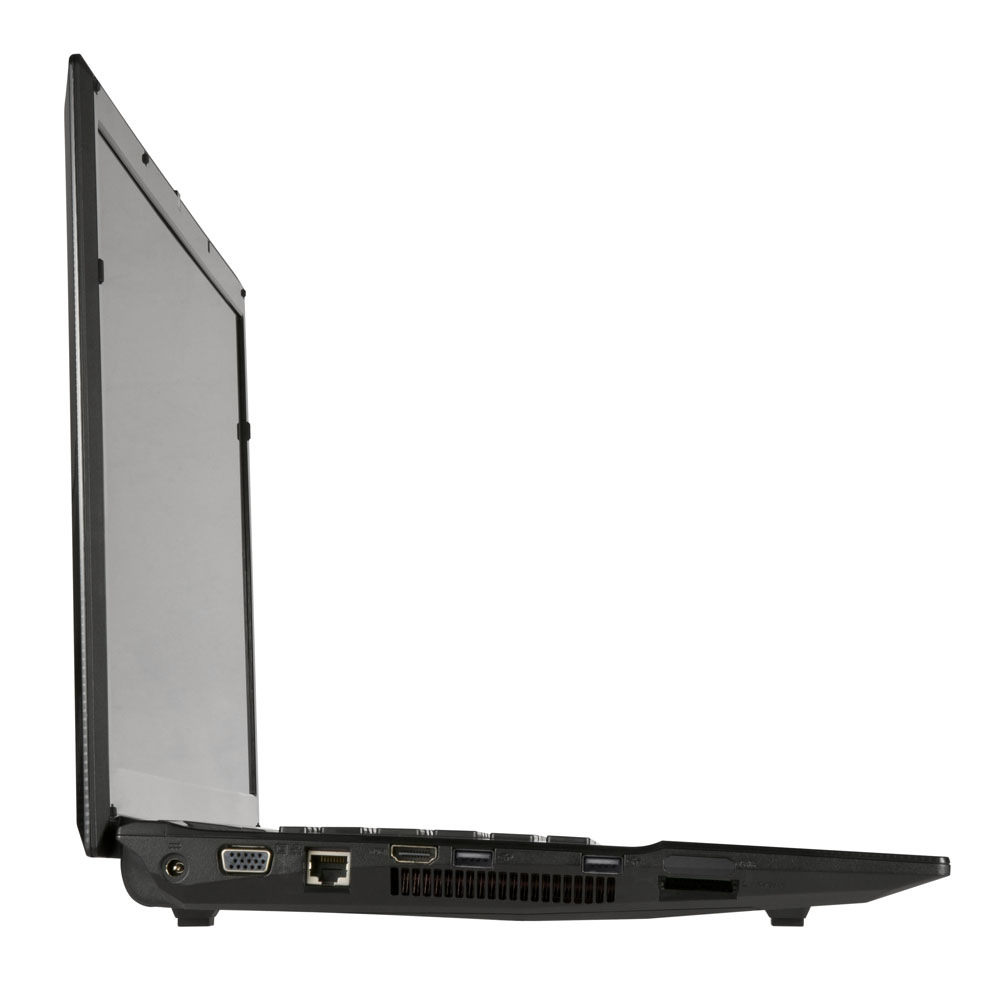
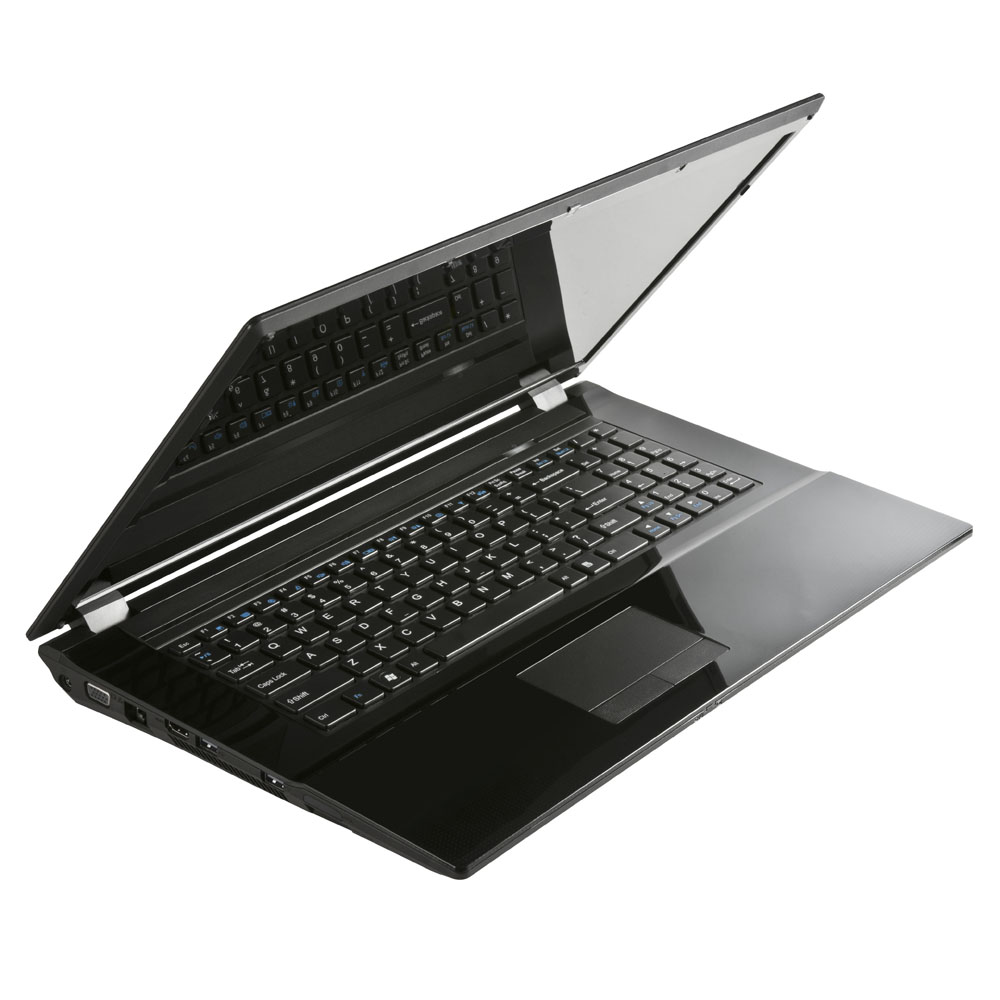
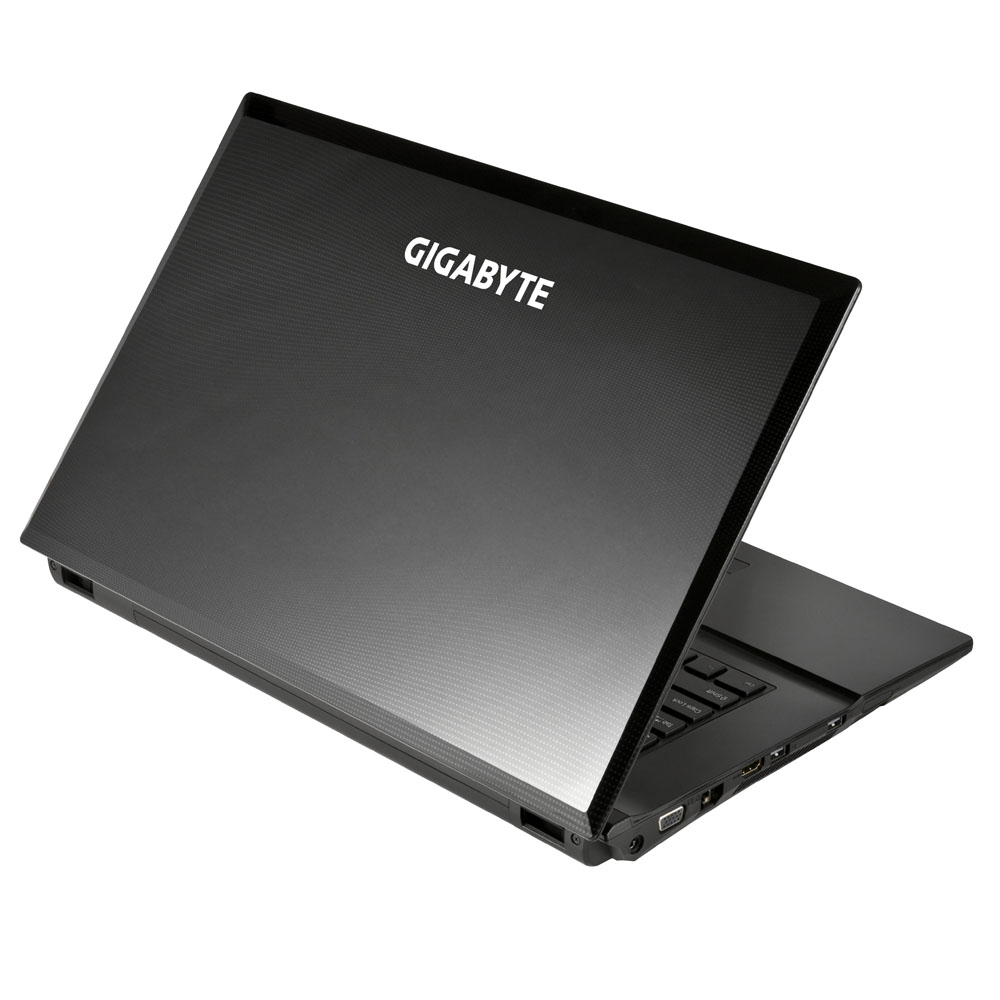
Gigabyte Q Series
 Processor: AMD E-Series E-450, Intel Core 2 Duo T6400, Intel Core 2 Duo T6500, Intel Pentium Dual Core SU4100
Graphics Adapter: AMD Radeon HD 6320, Intel Graphics Media Accelerator (GMA) 4500MHD, NVIDIA GeForce 9600M GS
Display: 11.60 inch, 15.40 inch, 17.30 inch
Weight: 1.5kg, 2.6kg, 2.7kg, 2.9kg
Price: 500, 600, 700, 750 euro
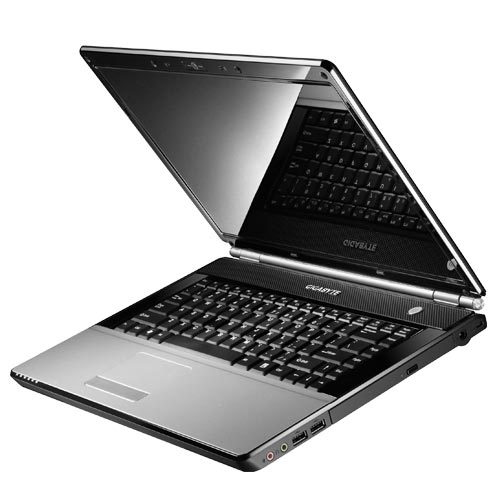
Gigabyte Q1580V
Specifications
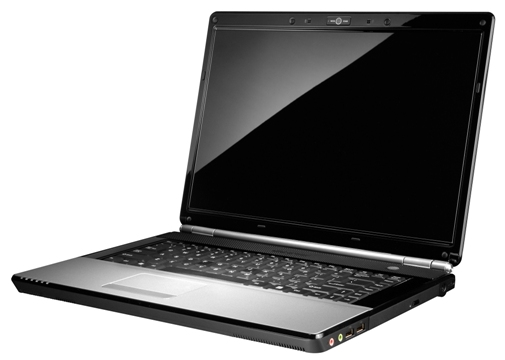 Notebook: Gigabyte Q1580V
Processor: Intel Core 2 Duo T6400
Graphics Adapter: NVIDIA GeForce 9600M GS
Display: 15.40 inch, 16:10, 1280 x 800 pixels
Weight: 2.7kg
Price: 750 euro
Links: Gigabyte homepage
Pricecompare
Foreign Reviews
Source: Hardware.info
 NL→EN Archive.org version
Comparison, online available, Long, Date: 08/12/2009
Rating: performance: 60% mobility: 60%
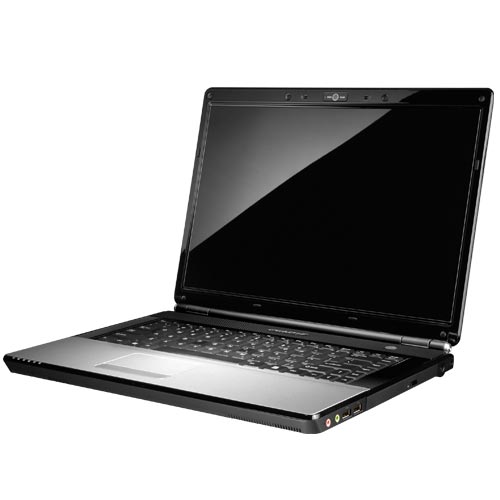
Gigabyte Q1580M
Specifications
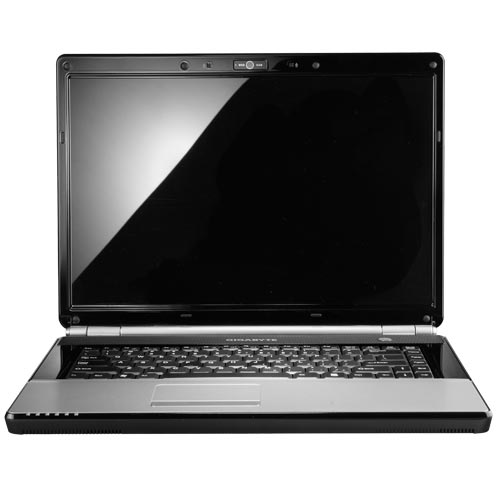 Notebook: Gigabyte Q1580M
Processor: Intel Core 2 Duo T6500
Graphics Adapter: Intel Graphics Media Accelerator (GMA) 4500MHD
Display: 15.40 inch, 16:10, 1280 x 800 pixels
Weight: 2.6kg
Price: 700 euro
Links: Gigabyte homepage
Pricecompare
Foreign Reviews
Source: Geeks.hu
 HU→EN Archive.org version
Single Review, online available, Short, Date: 08/09/2010
Rating: price: 95% performance: 60%
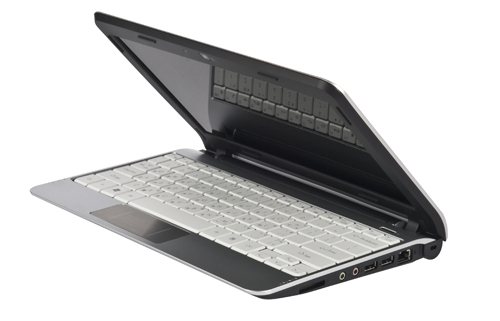
Gigabyte Q1105
Specifications
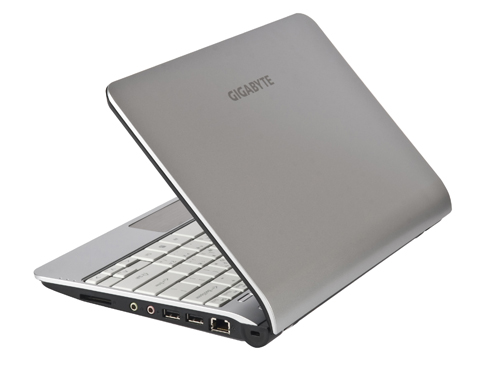 Notebook: Gigabyte Q1105
Processor: Intel Pentium Dual Core SU4100
Graphics Adapter: Intel Graphics Media Accelerator (GMA) 4500MHD
Display: 11.60 inch, 16:9, 1366 x 768 pixels
Weight: 1.5kg
Price: 600 euro
Links: Gigabyte homepage
Pricecompare
Reviews
Source: Netbooknews.com
 Archive.org version
If you are looking to pick up something with an excellent keyboard and have no use for a trackpad because you always use a mouse the Q1105 is a great choice. Originally when this first hit the market it was selling here in Taiwan for $650, at which time I would say move on. However, I have since found it on for sale around APAC for $450. If you’re looking for a productivity tool this is a great machine for the price!
Single Review, online available, Very Short, Date: 03/15/2011
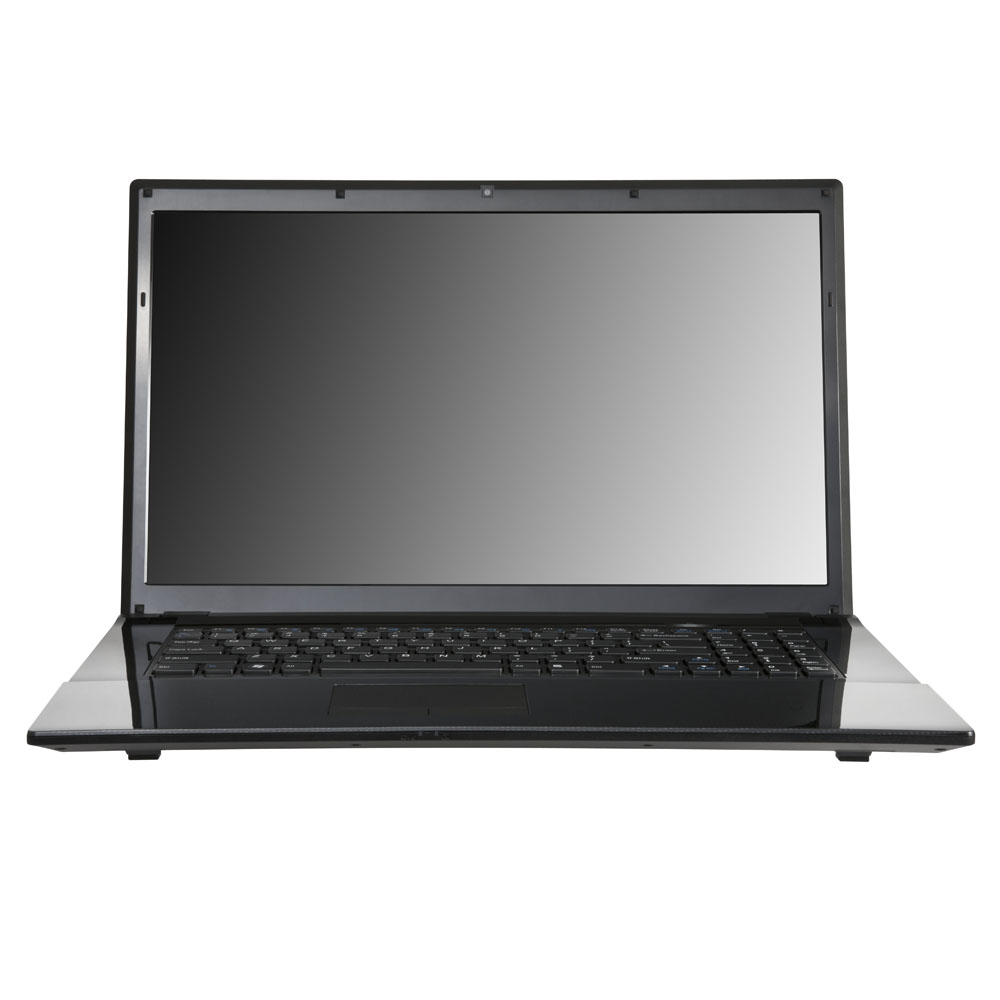
Gigabyte Q1700
Specifications
Notebook: Gigabyte Q1700Processor: AMD E-Series E-450
Graphics Adapter: AMD Radeon HD 6320
Display: 17.30 inch, 16:9, 1600 x 900 pixels
Weight: 2.9kg
Price: 500 euro
Sold in: Anglo-America
Links: Gigabyte homepage Q1700 (Model)
Pricecompare
Foreign Reviews
Source: PC Online.com.cn
 zh-CN→EN Archive.org version
Single Review, online available, Short, Date: 11/07/2011
Comment
Gigabyte: Gigabyte Technology is a Taiwanese computer hardware manufacturer founded in 1986, best known for its motherboards and graphics cards. Gigabyte offers a wide range of products including motherboards, graphics cards, laptops, monitors, systems and components. Gigabyte's laptops offer gaming and creative features on the go. Gigabyte monitors offer 4K Pro Gaming.
Only some 3D games with very low demands are playable with these cards.
NVIDIA GeForce 9600M GS: Slower clocked 9600M GT and therefore a bit slower and cooler. In conjunction with an 9100M the 9600M GS is able to use HybridPower to save current.
Intel Graphics Media Accelerator (GMA) 4500MHD: Onboard (shared Memory) GPU built in the GM45, GE45 and GS45 chipset (Montevina). Because of two more shaders and a higher core clock, much faster than the old GMA X3100. Still not advisable for gamers (DirectX 10 games not playable or only with very low settings). The integrated video processor is able to help decode HD videos (AVC/VC-2/MPEG2) , e.g., for a fluent Blu-Ray playback with slow CPUs.
AMD Radeon HD 6320:
Integrated graphics card in the Zacate netbook processors (e.g. E-450) featuring an UVD3 video decoder and no dedicated memory. Thanks to TurboCore, it can automatically overclock to 600 MHz.
» Further information can be found in our Comparison of Mobile Graphics Cards and the corresponding Benchmark List.
Intel Core 2 Duo: This is the Core Duo and Core Solo successor with a longer pipeline and 5-20% more speed without more power consumption. As an addition to the Core Duo design there exists a fourth decoder, an amplified SSE-unit and an additional arithmetical logical unit (ALU).
The Core 2 Duo for laptops is identical to the desktop Core 2 Duo processors but the notebook-processors work with lower voltages (0.95 to 1188 Volt) and a lower Frontside bus clock (1066 vs 667 MHz). The performance of equally clocked notebooks is 20-25% lower than Desktop PCs because of the lower Frontside bus clock and the slower hard disks.
T6400: Entry level dual core processor based on the Penryn core with only 2 MB level 2 cache and a low clock speed.
T6500:
Entry level Penryn based dual-core CPU with a small 2MB level 2 cache and FSB800. Similar to the T6570 but without VT-x.
Intel Pentium Dual Core: The return of the name Pentium, though it is a Yonah core. In fact, it is a double Core processor with a very good relation of performance to current consumption.
SU4100: Entry-level dual core processor for slim and light subnotebooks. Due to the Pentium name, the CPU may have less power saving features than Core 2 Duo processors.
AMD E-Series:
E-450:
Dual Core low power processor with an integrated graphics cards. The processor is on a level with Celeron SU2300 (1.2 GHz) and the GPU part about as fast as an Nvidia ION (2).
» Further information can be found in our Comparison of Mobile Processsors.
» To find out how fine a display is, see our DPI List.
1.5 kg:
2.9 kg:
With this weight, a laptop is rather heavier than average. Devices in this range shine more with screen size and performance than with mobility.
%: No rating comment found (one expected)!
» Further information can be found in our Notebook Purchase Guide.