


 Deutsch
 Español
 Français
 Italiano
 Nederlands
 Polski
 Português
 Русский
 Türkçe
 Svenska
 Chinese
 Magyar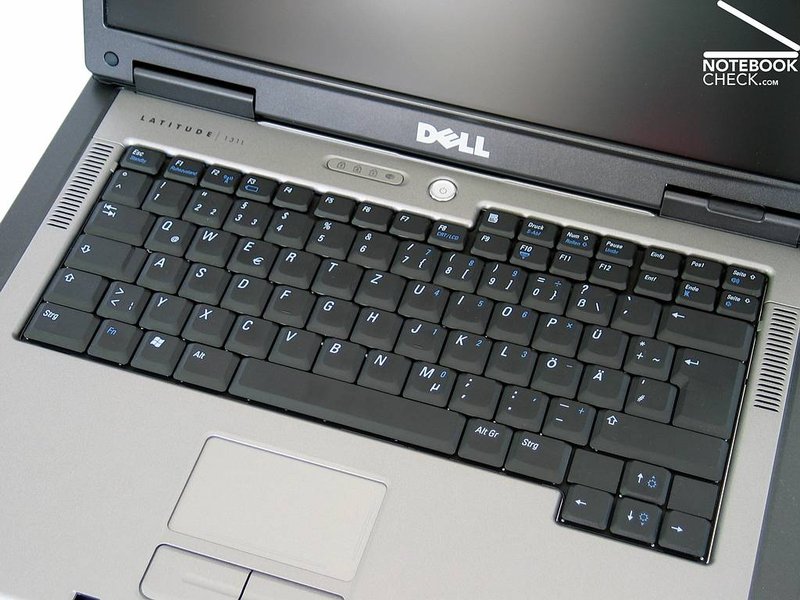
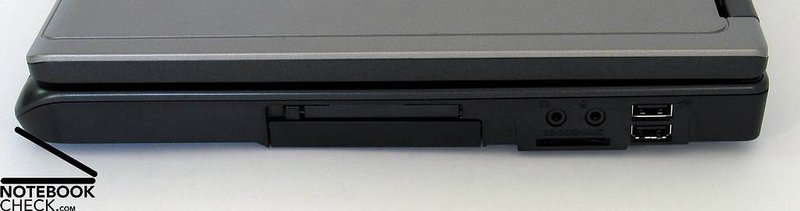

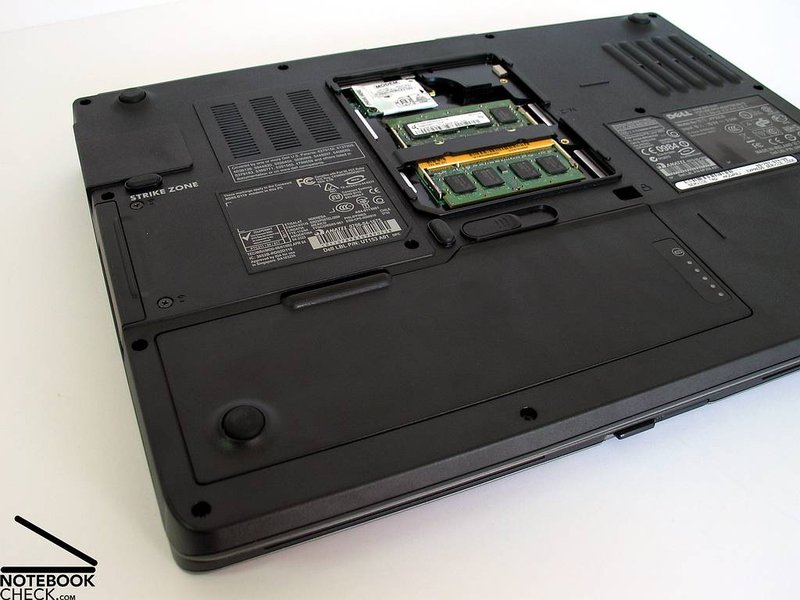
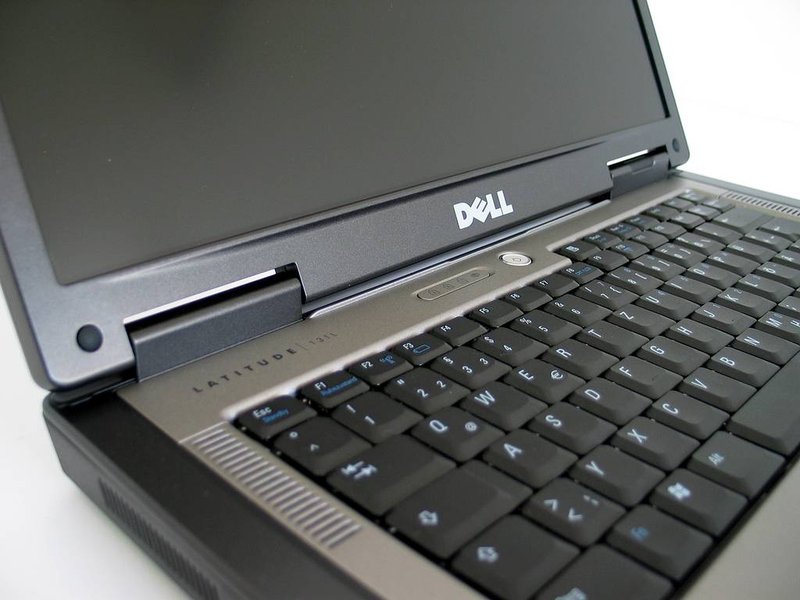
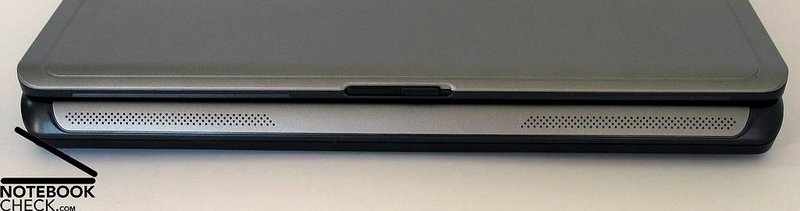

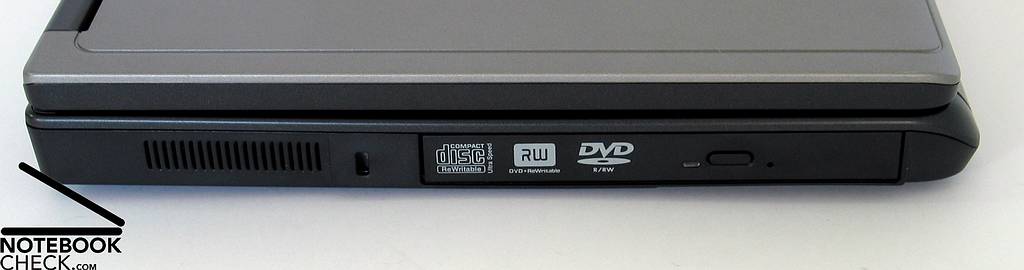
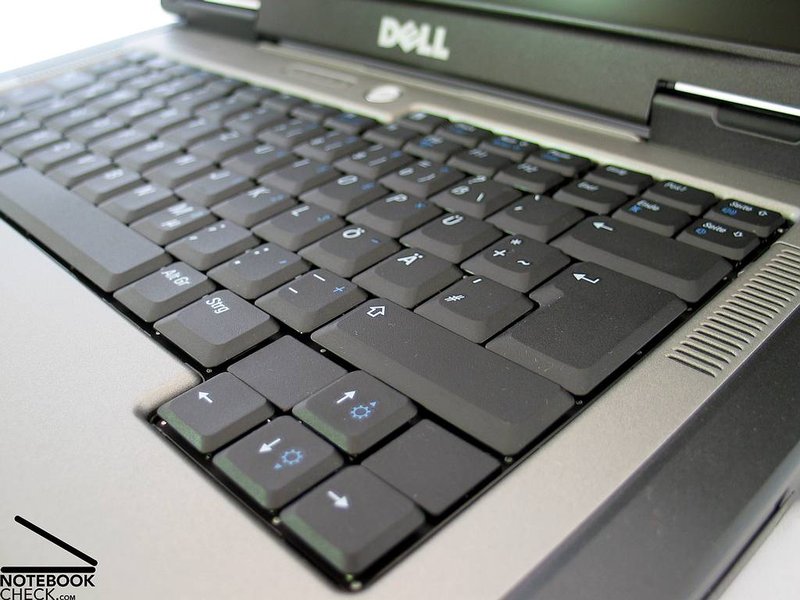
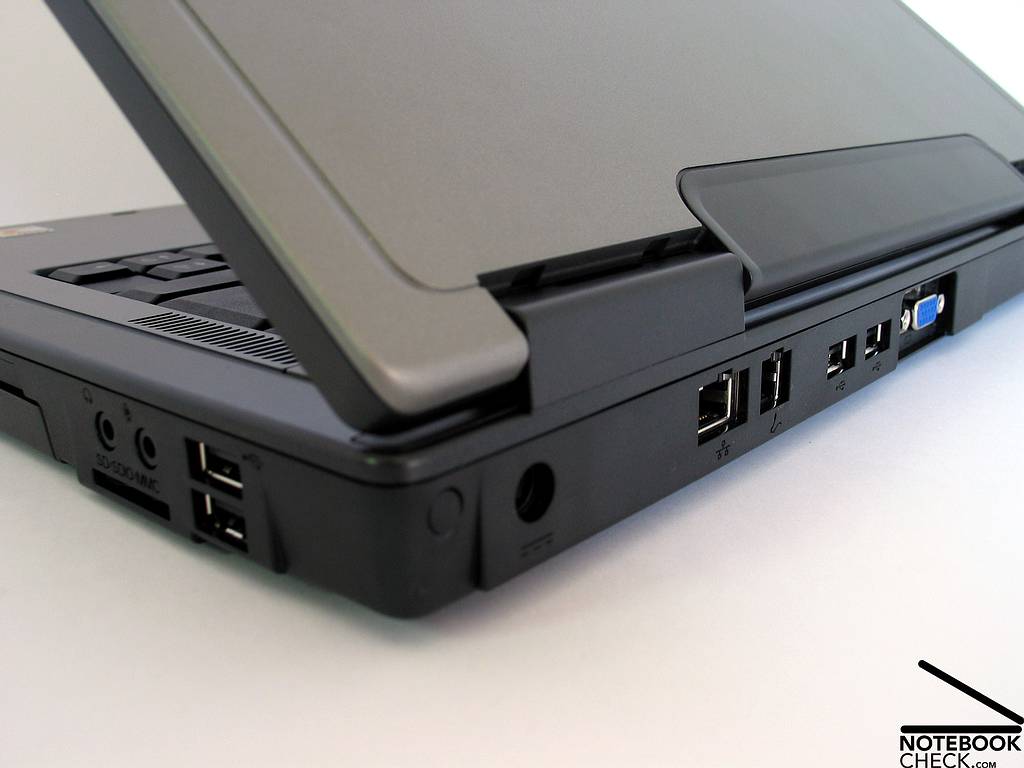
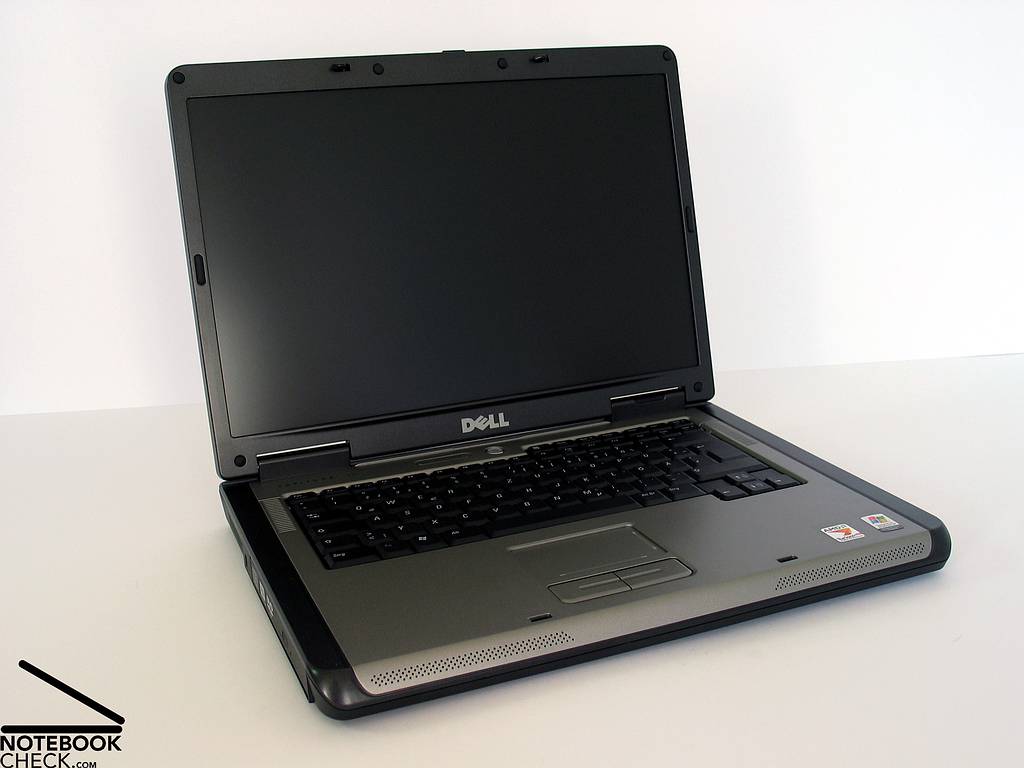
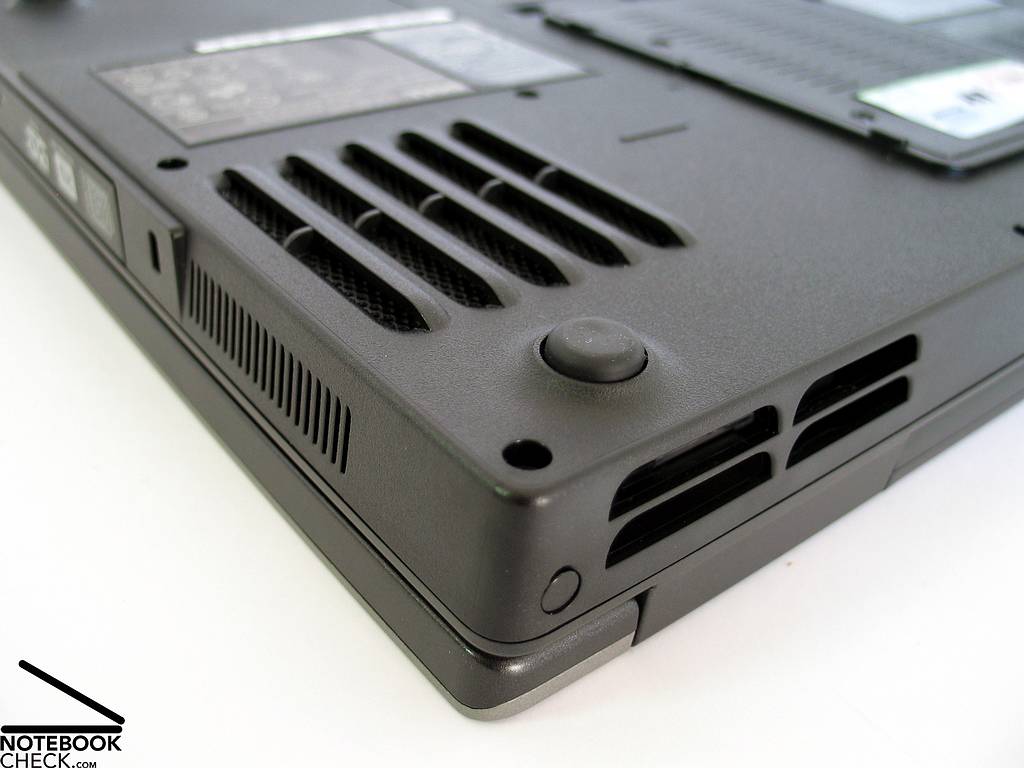
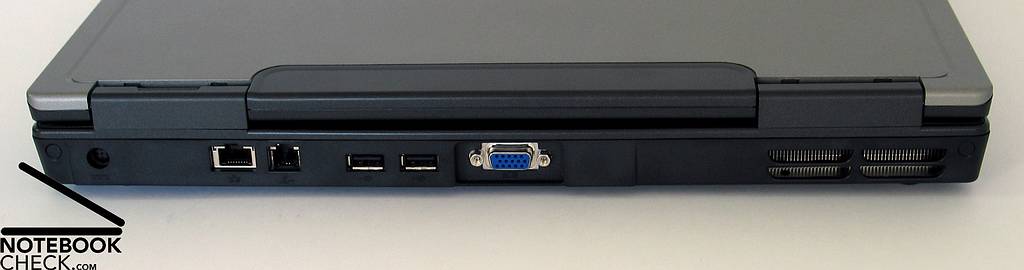

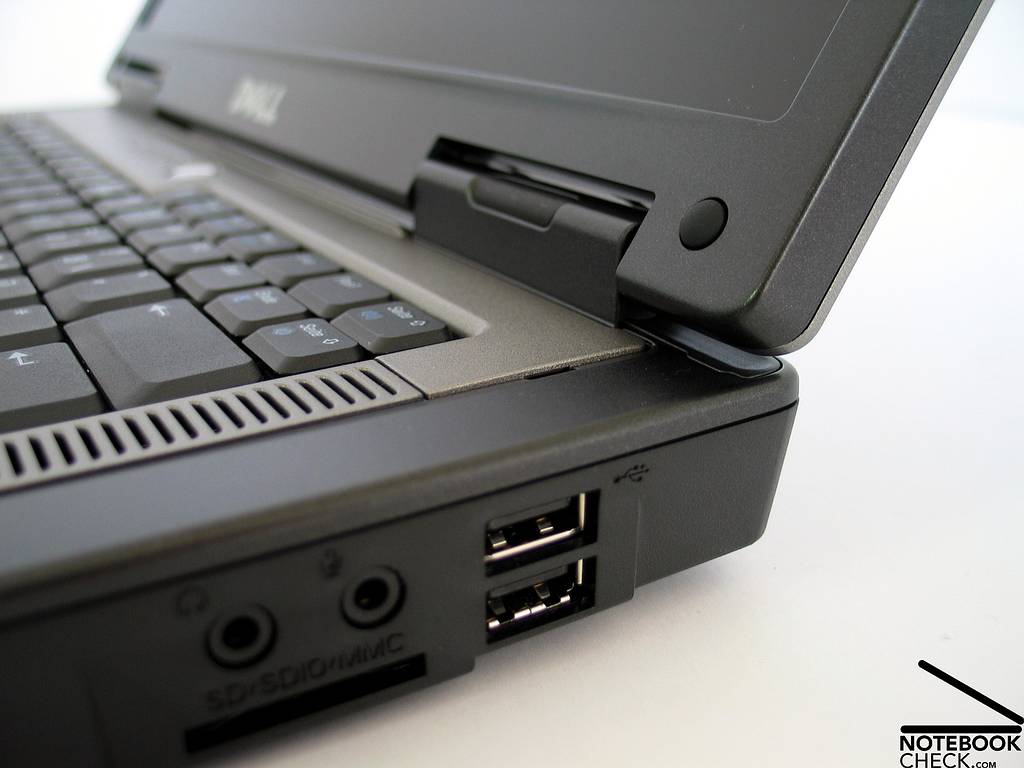
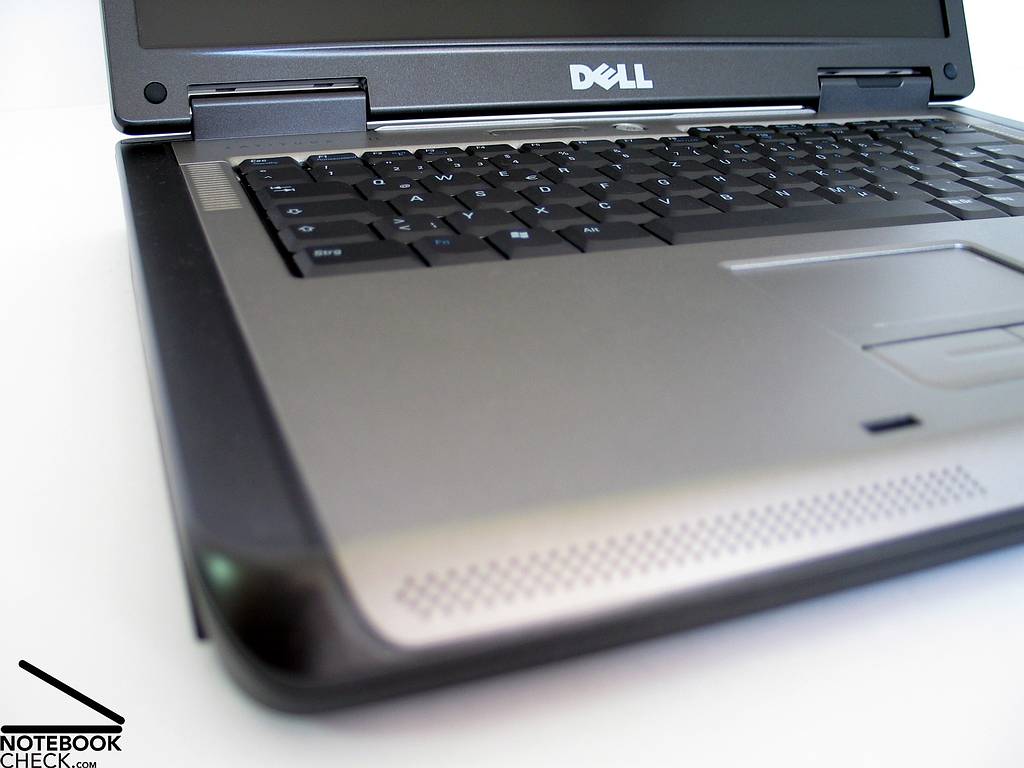
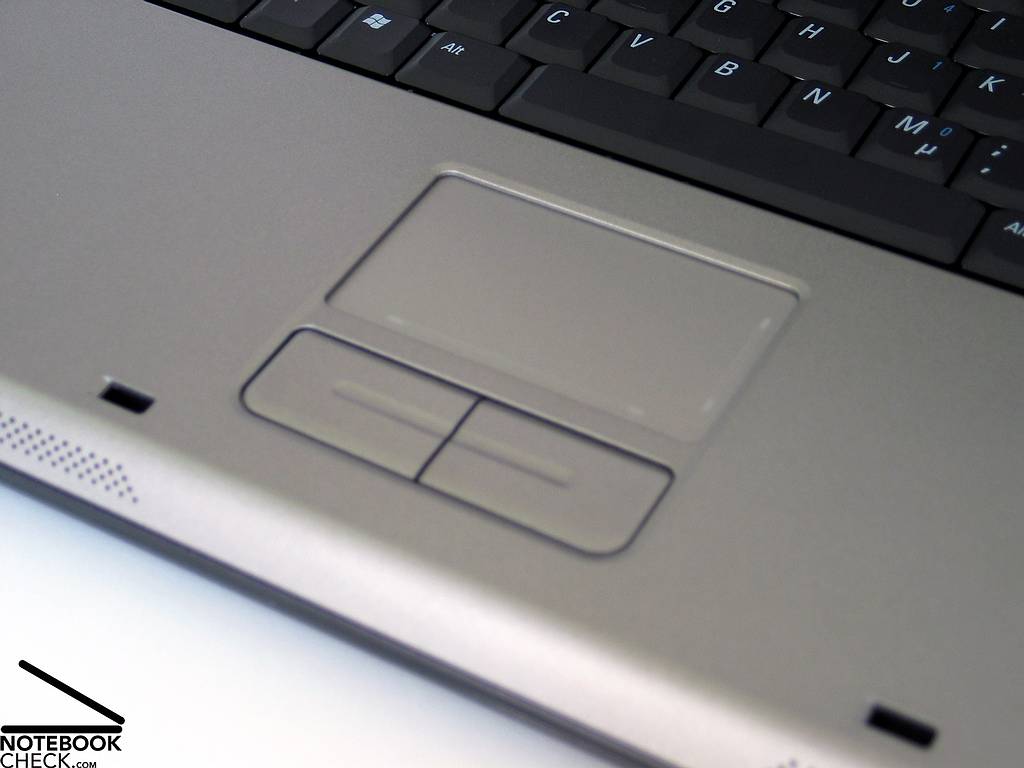
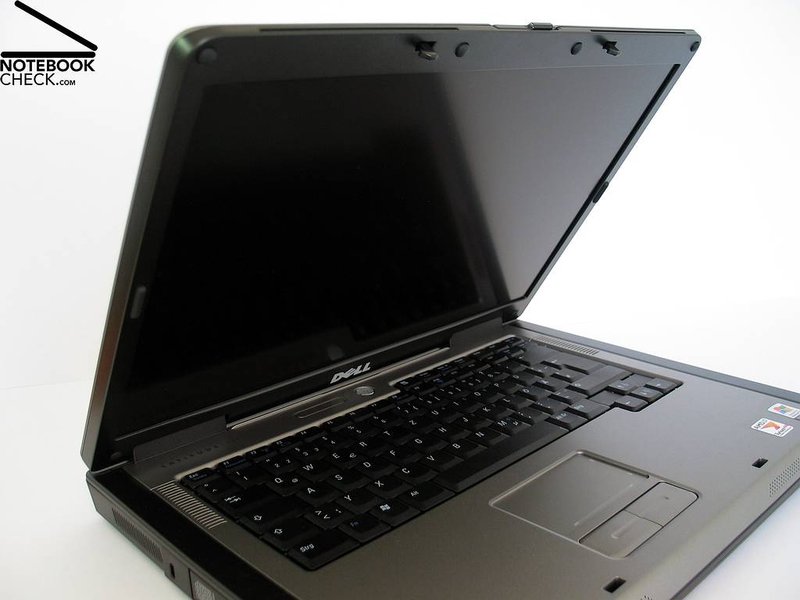
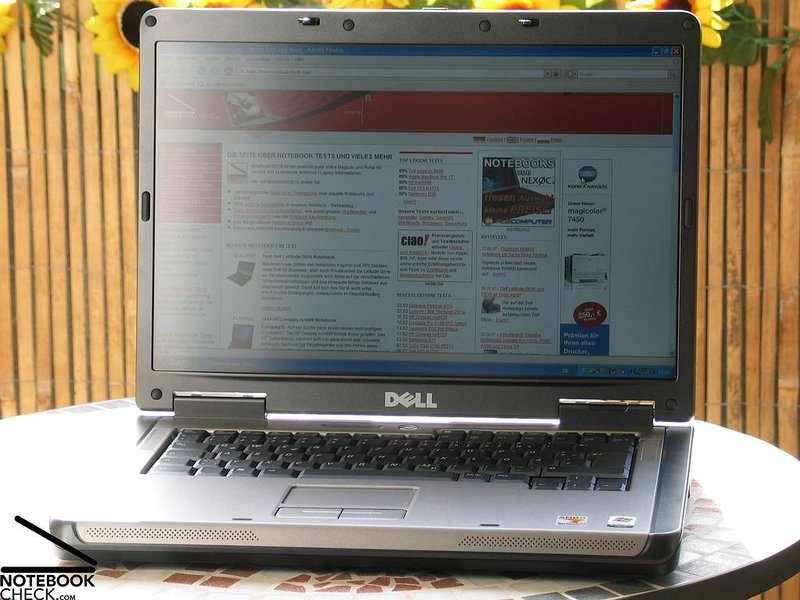
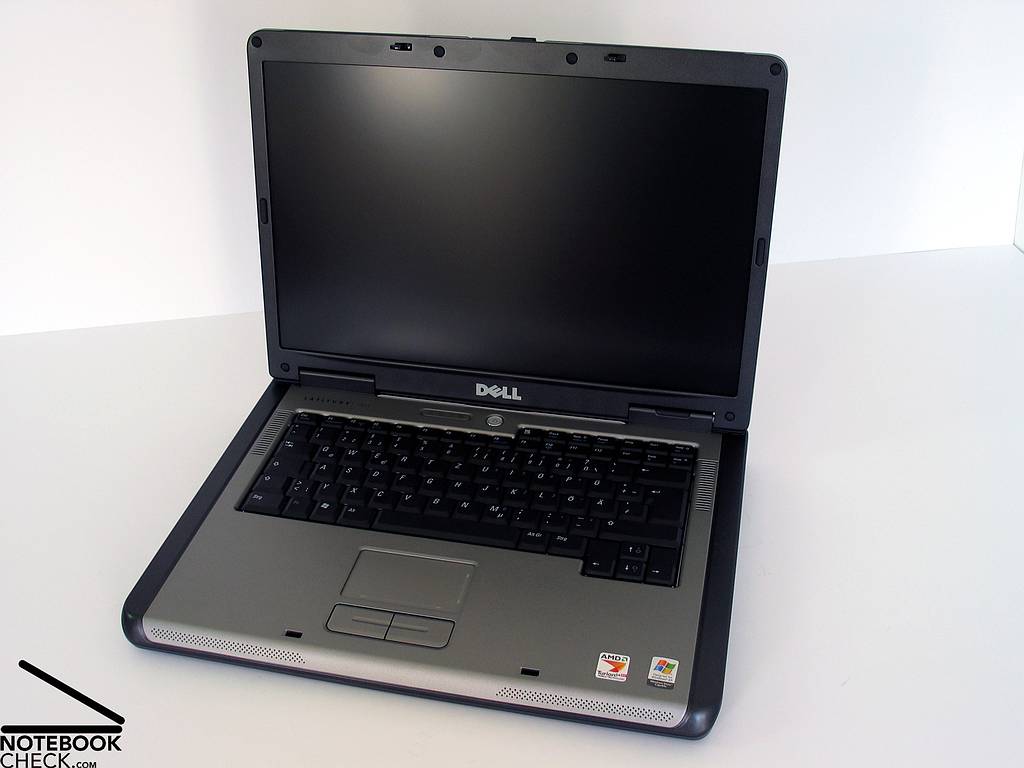
Dell Latitude 131L
Specifications
Pricecompare
Average of 2 scores (from 2 reviews)
Reviews for the Dell Latitude 131L
Source: Trusted Reviews
 Archive.org version
There was a time not all that long ago when the idea of a Dell product, whether it be a server, desktop or notebook, shipping with an AMD processor was simply laughable. Overall the Latitude 131L is a solid performer. Business notebooks are never going to be the most exciting of things and this is no exception, but it does what it’s supposed to do with aplomb and offers plenty of value for money.
ausführlicher Test mit Geräteaufbau und Testwerten und Bildern; online abrufbar
(von 10): 7, Preis/Leistung 8, Leistung 7, Ausstattung 6
Single Review, online available, Short, Date: 01/04/2007
Rating: Total score: 70% price: 80% performance: 70% features: 60%
Foreign Reviews
Source: Notebookcheck
 DE→EN Archive.org version
Single Review, online available, Short, Date: 03/12/2007
Rating: Total score: 83% performance: 69% display: 89% mobility: 73% workmanship: 84% ergonomy: 87% emissions: 78%
Comment
ATI Radeon Xpress 1150: Faster clocked Xpress 1100 onboard graphics card with x300 core. Should run Vista Aero Glass fluently.
These graphics cards are not suited for Windows 3D games. Office and Internet surfing however is possible.
» Further information can be found in our Comparison of Mobile Graphics Cards and the corresponding Benchmark List.
AMD Turion 64 X2: AMD Turion 64 X2 is intended to be positioned against the Intel Core Duo was presented in 17. May 2006. The current consumption is not higher than with Centrino-Duo-notebooks (TL-45 with ATI Xpress and Mobility Radeon X300). This means, that approximative the same battery runtime and fan functions can be expected (with this chipset). However, the performance was 20% below the T2300 (1.66 GHz) due to the lower L2 Cache (Core Duo has 2048 Kbyte shared L2 Cache). Nevertheless, the performance is sufficient.
TL-50: In 90nm produced dual core processor with a low clock rate of 1.6 GHz. The TL-50 is still based on the K8 core and compareable to a slower clocked Core Duo.» Further information can be found in our Comparison of Mobile Processsors.
15.40":
15-inch display variants are the standard and are used for more than half of all laptops.
The reason for the popularity of mid-sized displays is that this size is reasonably easy on the eyes, often allows high resolutions and thus offers rich details on the screen, yet does not consume too much power and the devices can still be reasonably compact - simply the standard compromise.
» To find out how fine a display is, see our DPI List.2.8 kg:
With this weight, a laptop is rather heavier than average. Devices in this range shine more with screen size and performance than with mobility.
Dell: Dell is a U.S. manufacturer (based in Texas) of computer hardware founded in 1984 and is one of the largest international manufacturers in terms of both market share and notebook models. Its product line includes desktops, notebooks, storage systems, monitors, servers, printers, consumer electronics and peripherals. Dell offers laptops that are suitable for various applications, such as business laptops, gaming laptops, ultra portables and workstations. Dell's business laptops from the Latitude and Precision series are an option for professional users and businesses.
In 2023, Dell had an approximate 17% market share of global PC sales, ranking #3 after Lenovo and HP.
For gaming enthusiasts, Dell's Alienware brand is for gaming notebooks.
76.5%: This rating is not earth-shattering. This rating must actually be seen as average, since there are about as many devices with worse ratings as better ones. A purchase recommendation can only be seen with a lot of goodwill, unless it is about websites that generally rate strictly.
» Further information can be found in our Notebook Purchase Guide.