 Deutsch
 Español
 Français
 Italiano
 Nederlands
 Polski
 Português
 Русский
 Türkçe
 Svenska
 Chinese
 Magyar
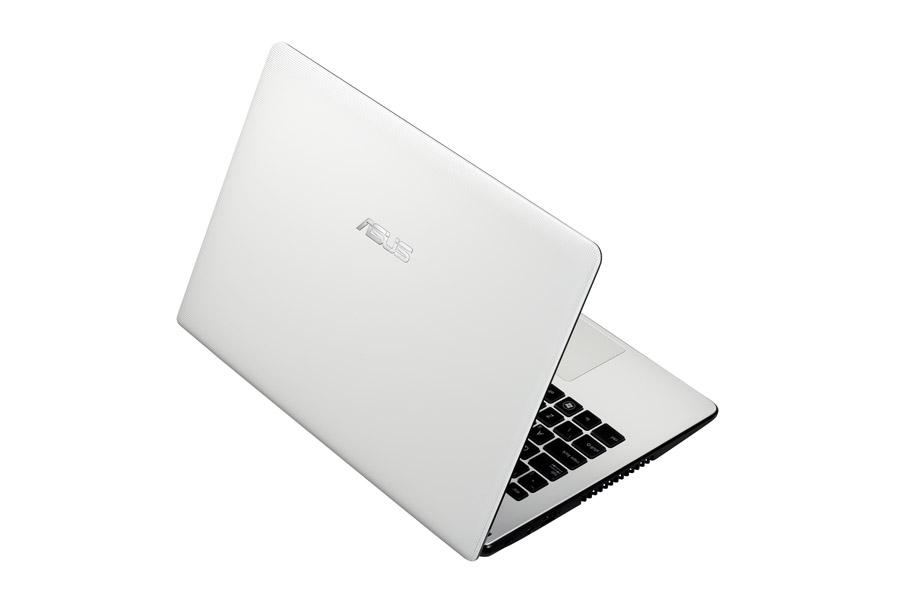
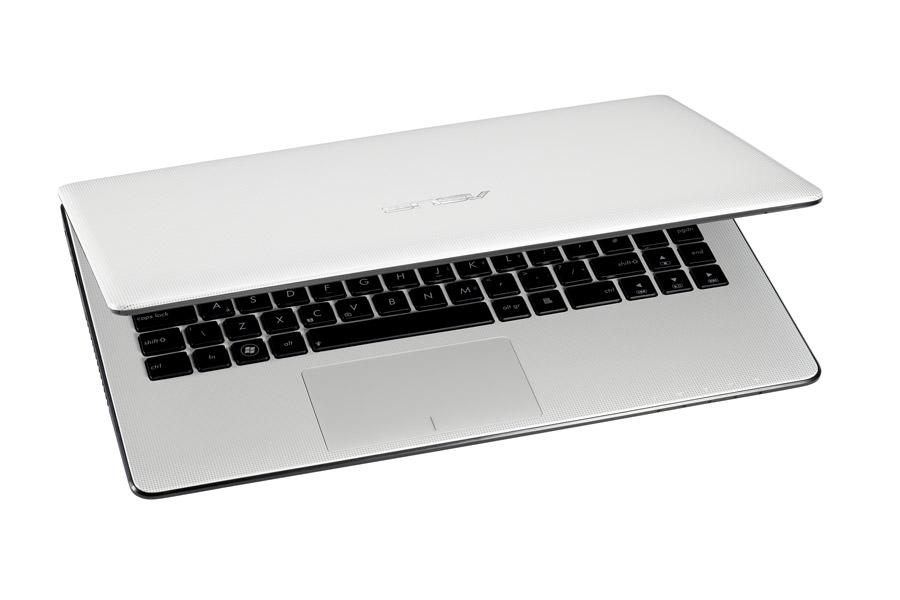
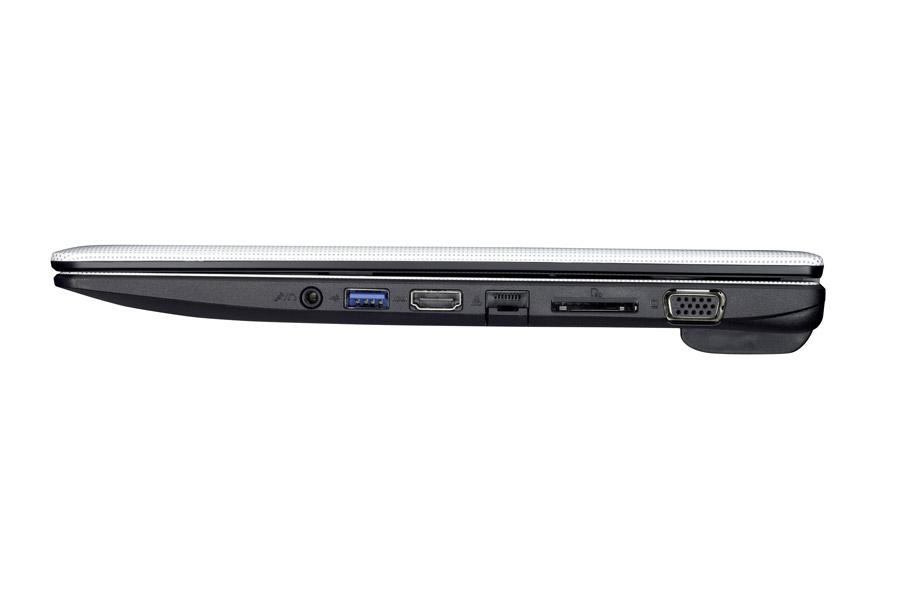
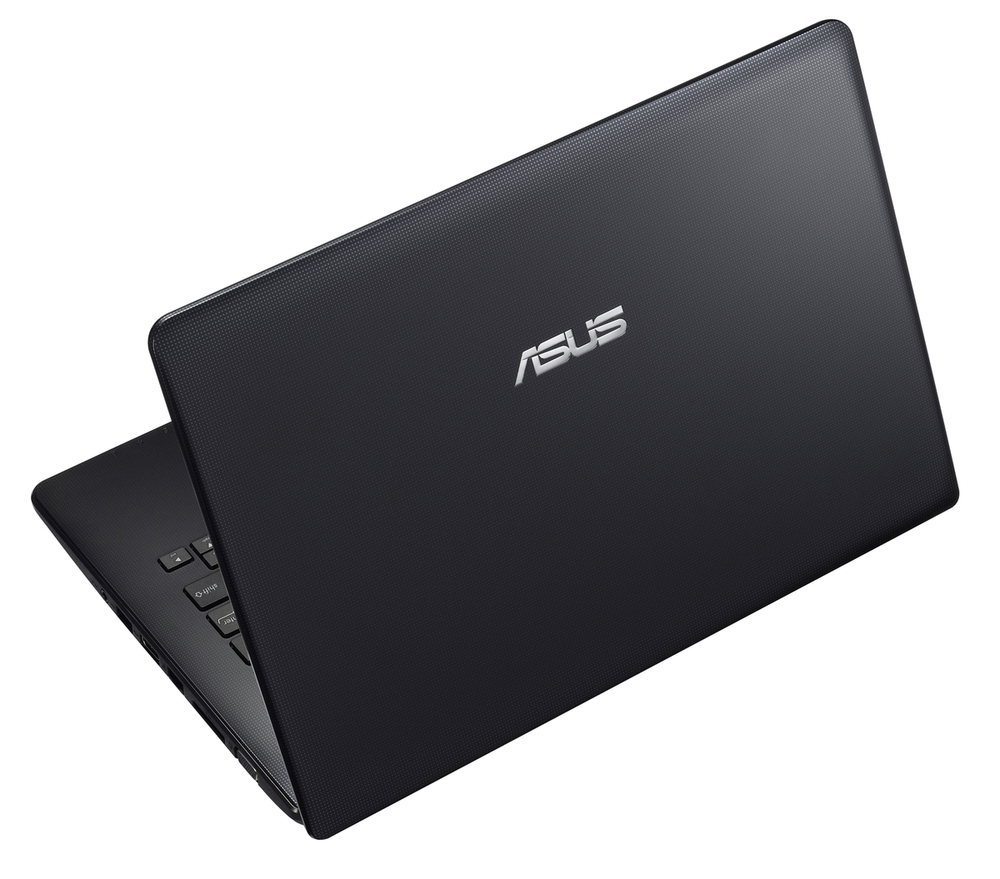
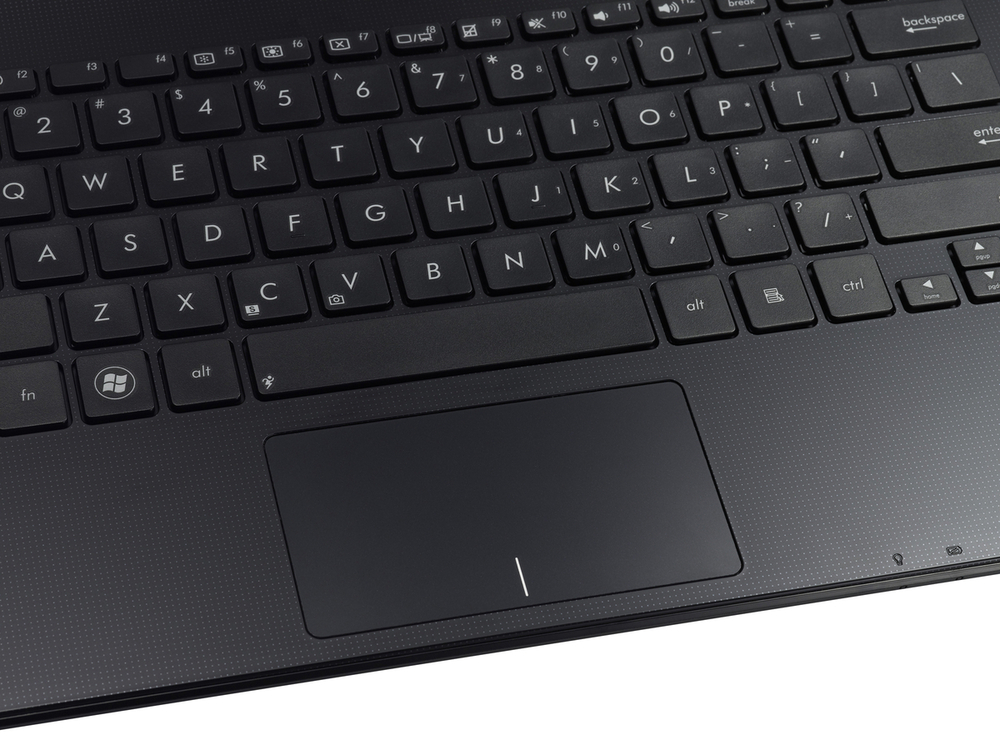
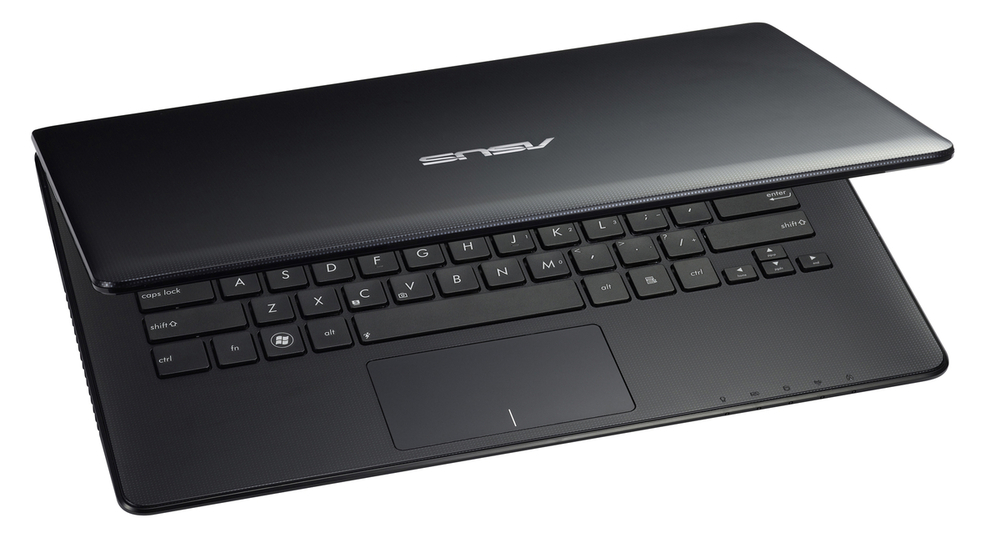
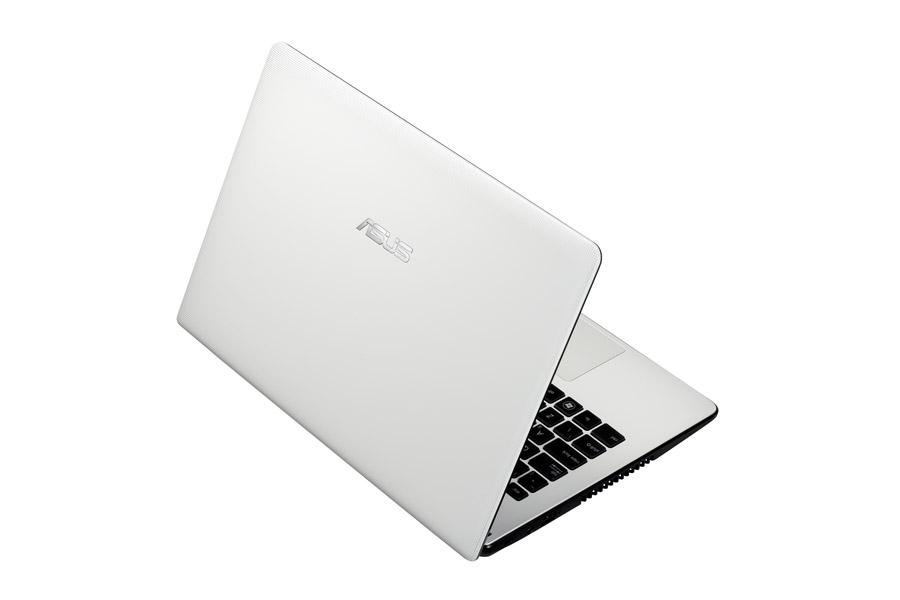
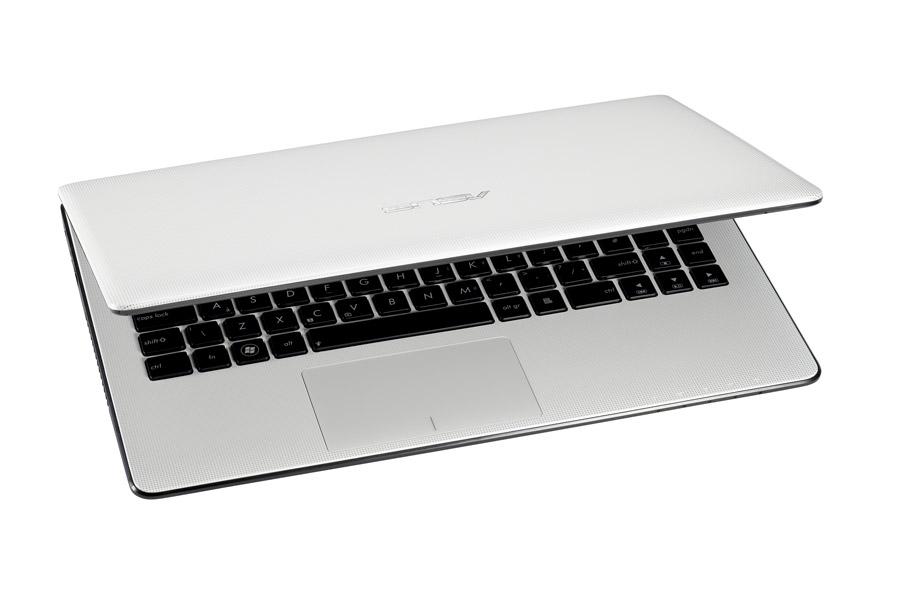
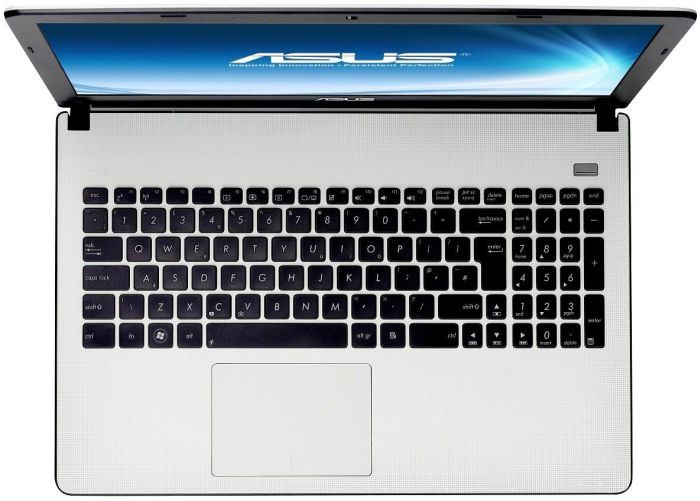
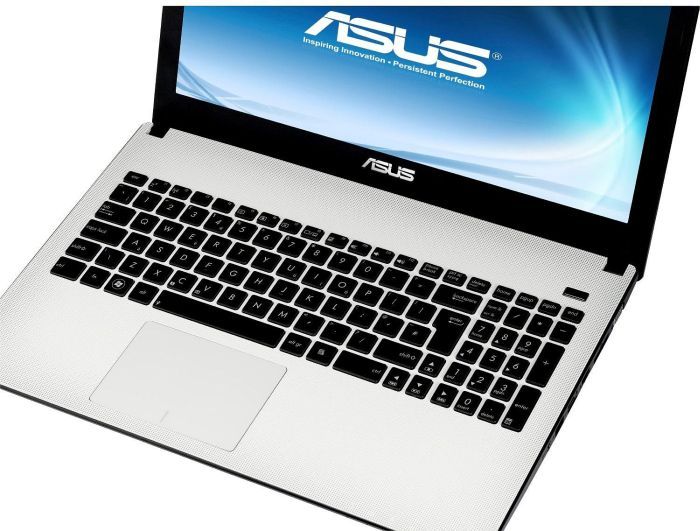
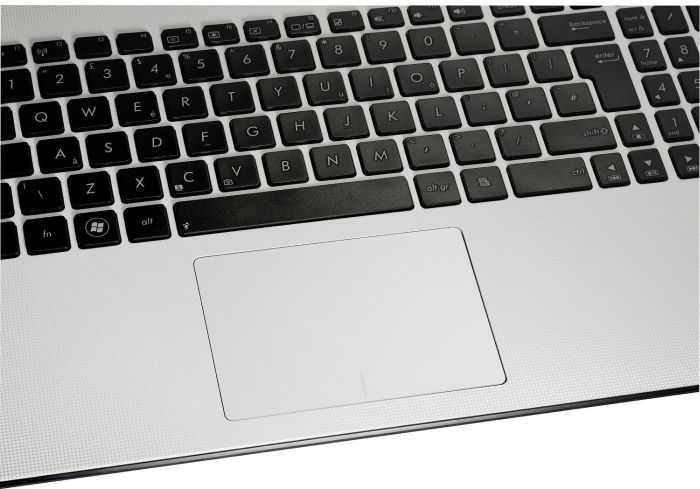
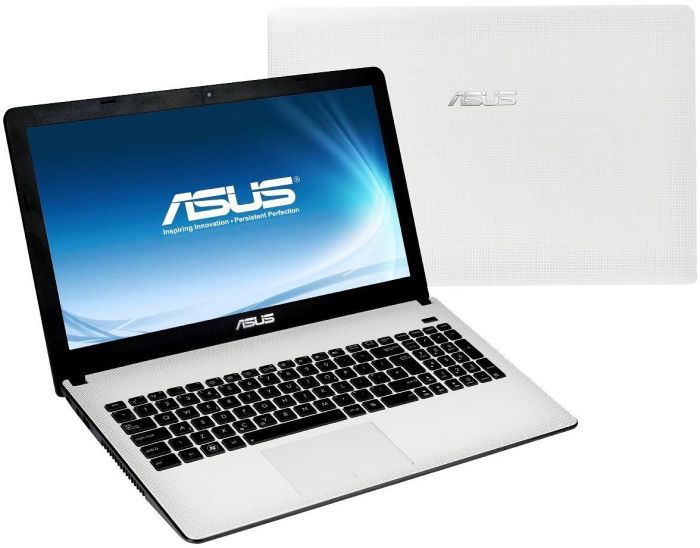
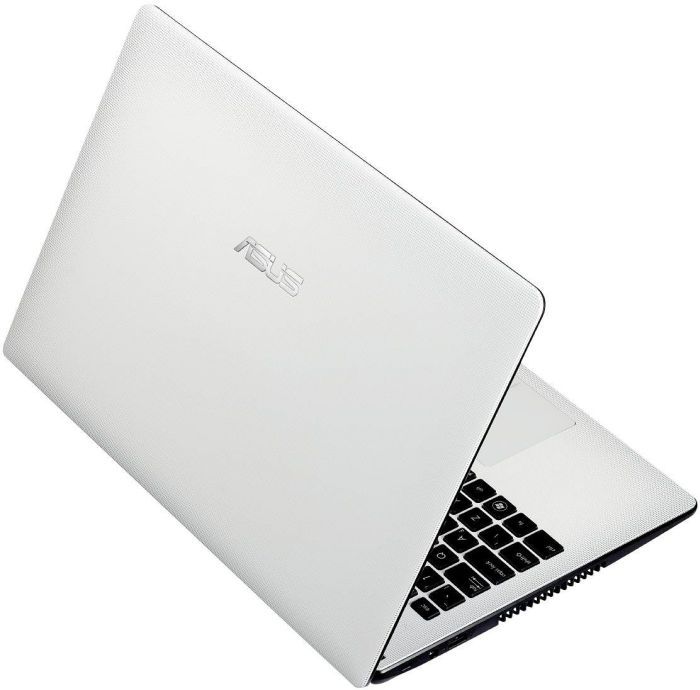
Asus X501 Series
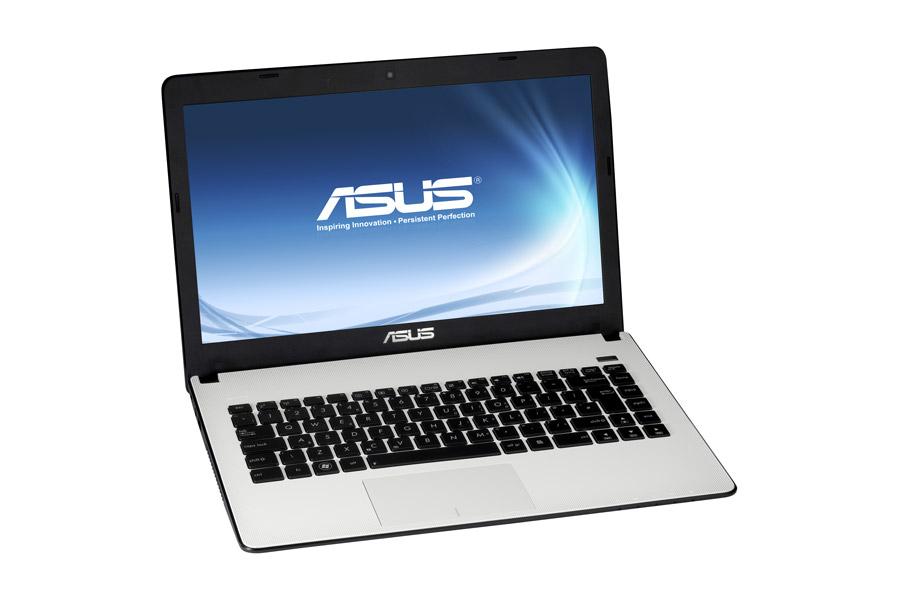 Processor: AMD E-Series E2-1800, Intel Celeron B820, Intel Celeron B830, Intel Core i3 2328M, Intel Pentium B980
Graphics Adapter: AMD Radeon HD 7340, Intel Graphics Media Accelerator (GMA) HD Graphics, Intel HD Graphics (Sandy Bridge), Intel HD Graphics 3000
Display: 15.60 inch
Weight: 2.1kg, 2.5kg, 2.6kg
Price: 400 euro
Average of 6 scores (from 6 reviews)
Asus X501A-XX145
Specifications
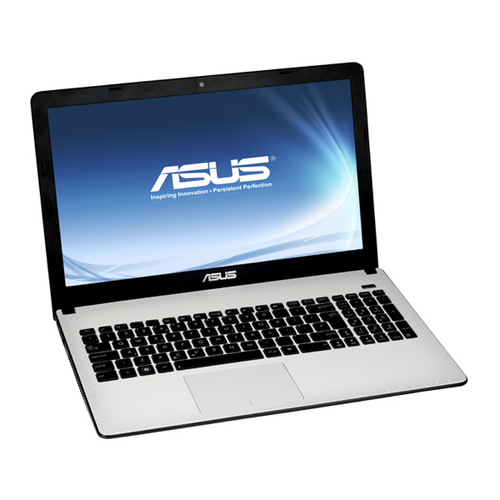 Notebook: Asus X501A-XX145
Processor: Intel Celeron B820
Graphics Adapter: Intel HD Graphics 3000
Display: 15.60 inch, 16:9, 1366 x 768 pixels
Weight: 2.6kg
Price: 400 euro
Links: Asus homepage Asus notebook section X501A-XX145 (Model)
Pricecompare
Average Score:
Foreign Reviews
Source: Notegear
 KO→EN Archive.org version
Single Review, online available, Very Long, Date: 09/06/2012
Rating: Total score: 90%
Asus X501A-XX277H
Specifications
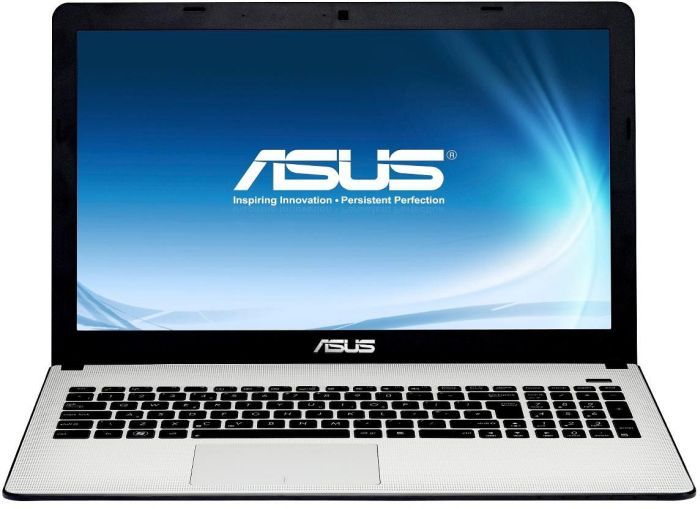 Notebook: Asus X501A-XX277H
Processor: Intel Celeron B830
Graphics Adapter: Intel Graphics Media Accelerator (GMA) HD Graphics
Display: 15.60 inch, 16:9, 1366 x 768 pixels
Weight: 2.1kg
Price: 400 euro
Links: Asus homepage Asus notebook section
Pricecompare
Average Score:
Reviews
Source: Tech Advisor
 Archive.org version
Despite its low price, Asus gets all the basics right with the X501A, providing a sturdy, portable laptop with good battery life. It’s no speed demon, but if you just need a basic laptop for undemanding tasks then the X501A provides excellent value for money.
Single Review, online available, Short, Date: 02/08/2013
Rating: Total score: 80% price: 100% performance: 40% features: 70% workmanship: 80%
Asus X501A-XX402H
Specifications
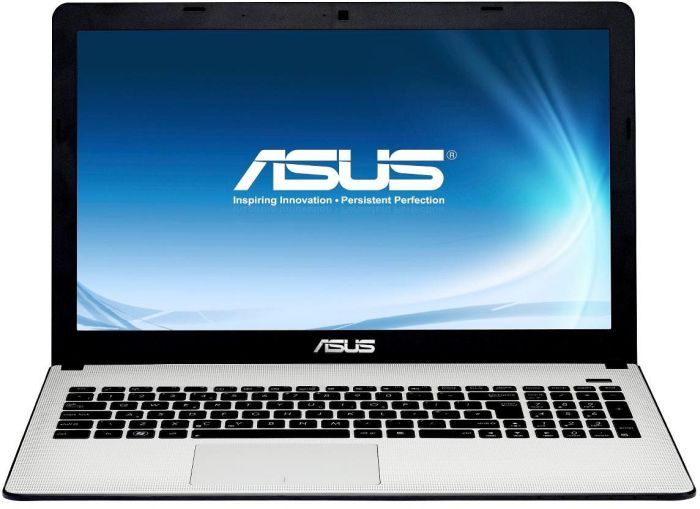 Notebook: Asus X501A-XX402H
Processor: Intel Core i3 2328M
Graphics Adapter: Intel HD Graphics 3000
Display: 15.60 inch, 16:9, 1366 x 768 pixels
Weight: 2.1kg
Price: 400 euro
Links: Asus homepage Asus notebook section
Pricecompare
Average Score:
Reviews
Source: Tech Advisor
Archive.org versionOn the plus side, the Asus weighs a portable 2.1kg, which is well below average for a 15.6in laptop. It’s no ultraportable, but the X501A can easily be carried around. With a battery that provides a good 4.5 hours of video streaming over Wi-Fi, it’s a real bargain.
Single Review, online available, Very Short, Date: 02/18/2013
Rating: Total score: 70% price: 80% performance: 80% features: 60% workmanship: 80%
Asus X501U-XX058H
Specifications
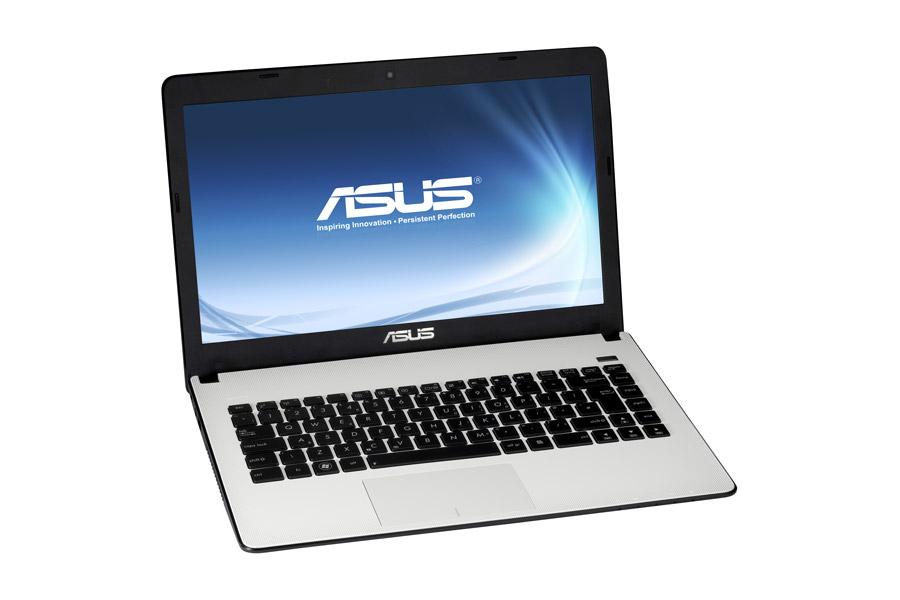 Notebook: Asus X501U-XX058H
Processor: AMD E-Series E2-1800
Graphics Adapter: AMD Radeon HD 7340
Display: 15.60 inch, 16:9, 1366 x 768 pixels
Weight: 2.5kg
Links: Asus homepage Asus notebook section
Pricecompare
Average Score:
Foreign Reviews
Source: Benchmark.pl
 PL→EN Archive.org version
Single Review, online available, Medium, Date: 04/03/2013
Rating: Total score: 70% performance: 40% display: 70% mobility: 83% workmanship: 80% ergonomy: 70%
Asus X501A-XX145H
Specifications
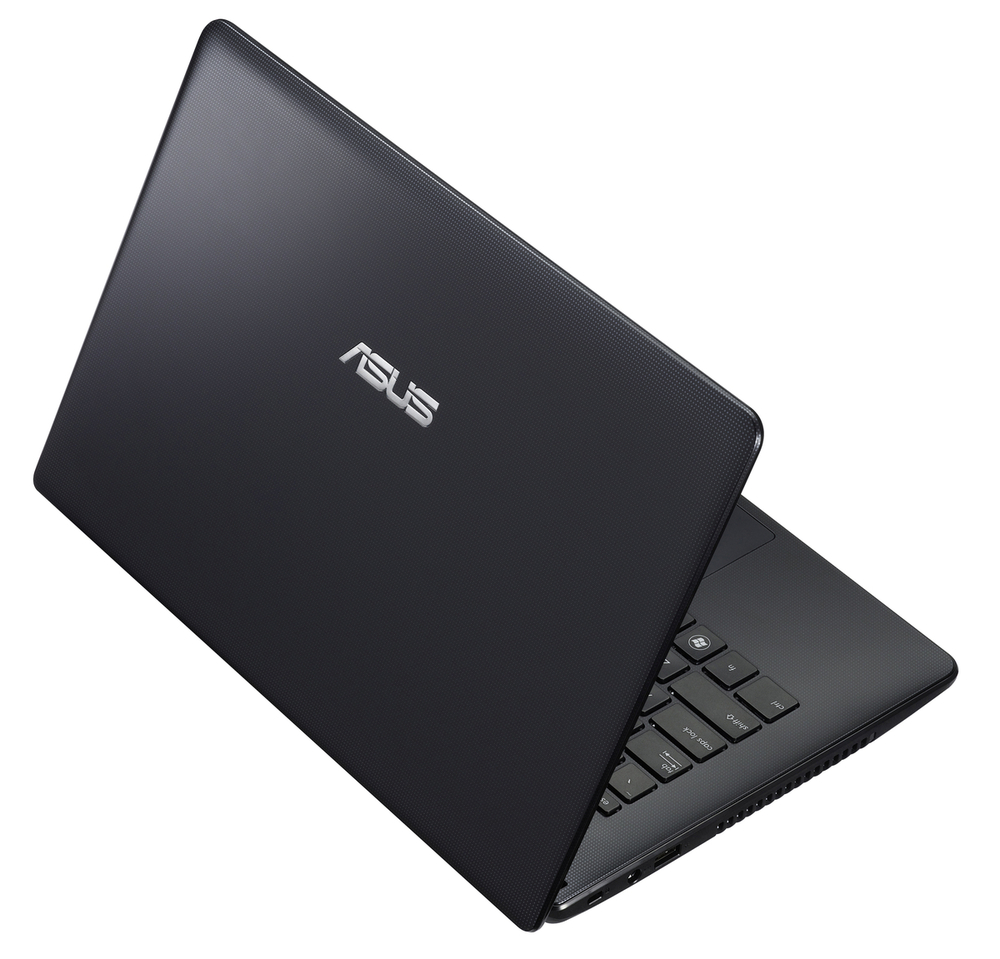 Notebook: Asus X501A-XX145H
Processor: Intel Celeron B820
Graphics Adapter: Intel HD Graphics (Sandy Bridge)
Display: 15.60 inch, 16:9, 1366 x 768 pixels
Weight: 2.1kg
Links: Asus homepage Asus notebook section
Pricecompare
Average Score:
Foreign Reviews
Source: Benchmark.pl
PL→EN Archive.org versionSingle Review, online available, Medium, Date: 06/19/2013
Rating: Total score: 70% performance: 50% display: 70% mobility: 70% workmanship: 80% ergonomy: 60%
Asus X501A-XX243H
Specifications
Notebook: Asus X501A-XX243HProcessor: Intel Pentium B980
Graphics Adapter: Intel HD Graphics (Sandy Bridge)
Display: 15.60 inch, 16:9, 1366 x 768 pixels
Weight: 2.1kg
Links: Asus homepage Asus notebook section
Pricecompare
Average Score:
Foreign Reviews
Source: Benchmark.pl
PL→EN Archive.org versionSingle Review, online available, Medium, Date: 06/19/2013
Rating: Total score: 70% performance: 60% display: 70% mobility: 77% workmanship: 80% ergonomy: 70%
Comment
Asus: ASUSTeK Computer Inc. is a major Taiwanese computer hardware manufacturer based in Taipei, founded in 1989. Under the Asus brand name, the company manufactures a wide range of products, including laptops, desktops, motherboards, graphics cards, monitors, smartphones and networking equipment, complete systems and PC components for end users.
Under the ROG (Republic of Gamers) brand name, ASUS manufactures gaming laptops known by gamers for their powerful specifications, dedicated graphics cards, high refresh rate displays and advanced cooling systems.
Beyond gaming, a wide range of notebooks are offered for different needs and budgets, from ultra-slim and lightweight ultrabooks to versatile 2-in-1 convertibles and budget-friendly options. In 2023, Asus had a 7% global market share of the PC market.
Customer satisfaction with ASUS notebooks concerns performance, the features, and the good price-performance ratio of ASUS notebooks. However, as with any brand, there are occasional reports of problems such as overheating, driver compatibility, or build quality issues.
Only some 3D games with very low demands are playable with these cards.
Intel HD Graphics 3000: Integrated graphics card in the Intel Sandy Bridge processors (Core ix-2xxx). The HD 3000 is the faster (internally GT2 called) version with 12 Execution Units (EUs).
Intel Graphics Media Accelerator (GMA) HD Graphics: Onboard graphics card that is built in the new Arrandale CPUs (Core i3 / i5 / i7 Dual Cores). Depending on the model and Turbo Boost, the GMA HD is clocked between 166 and 766 MHz.
AMD Radeon HD 7340: Integrated processor graphics card in the 2nd generation of Zacate APUs (e.g., E2-1800). Due to Turbo Core, the graphics card can clock from 523 to 680 MHz and is based on the same core as the Radeon HD 6320 (1. generation Zacate).
Intel HD Graphics (Sandy Bridge): Processor graphics card which is integrated in the Sandy Bridge Pentium and Celeron processors. Similar to the desktop HD Graphics 2000 and not related to the old Arrandale processor graphics with the same name.
» Further information can be found in our Comparison of Mobile Graphics Cards and the corresponding Benchmark List.
Intel Celeron:
B820: Entry level dual core processor for laptops with integrated graphics card (Intel HD Graphics based on the HD Graphics 2000) and reduced features of the Sandy Bridge core (no Turbo Boost, AES, ...).
B830: Entry level dual core processor for laptops with integrated graphics card (Intel HD Graphics based on the HD Graphics 2000) and reduced features of the Sandy Bridge core (no Turbo Boost, AES, ...).
Intel Core i3:
2328M: Dual-core processor based on the Sandy Bridge architecture with an integrated graphics card and dual-channel DDR3 memory controller. The CPU is clocked at 2.2 GHz and features the Turbo Boost 2.0 only for the graphics card (650/1100MHz). Similar to the Core i3-2330M but without SMB tools support.
AMD E-Series:
E2-1800: Dual Core low power processor with an integrated graphics cards. The processor is on a level with Celeron SU2300 (1.2 GHz) and the GPU part about as fast as an Nvidia ION (2).
Intel Pentium:
B980: Dual-core processor based on the Sandy Bridge architecture with an integrated graphics card and dual-channel DDR3 memory controller. Due to the Pentium brand, many features of the Sandy Bridge core are deactivated.
» Further information can be found in our Comparison of Mobile Processsors.
» To find out how fine a display is, see our DPI List.
2.1 kg:
2.6 kg:
With this weight, a laptop is rather heavier than average. Devices in this range shine more with screen size and performance than with mobility.
75%: This rating is poor. More than three quarters of the models are rated better. That is rather not a purchase recommendation. Even if verbal ratings in this area do not sound that bad ("sufficient" or "satisfactory"), they are usually euphemisms that disguise a classification as a below-average laptop.
» Further information can be found in our Notebook Purchase Guide.